Gentle Ways to Get Holi Color Off Your Body
-328717ab-f6f5-4ecb-884d-dcb9ec4a28c1.webp&w=3840&q=75)

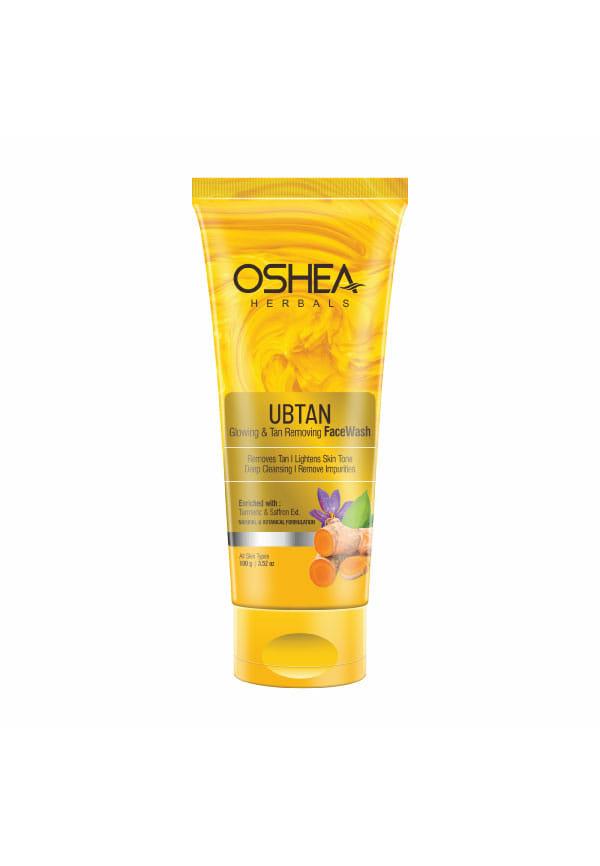 100 gm
Ubtan Glowing & Tan Removing Facewash
Holi, the vibrant festival of colours, brings joy and celebration but often leaves you wondering how to remove stubborn colour stains from your skin without causing irritation. While the festival creates beautiful memories, the aftermath can be challenging, especially when harsh scrubbing damages your skin. The key lies in understanding that gentle, natural methods are far more effective than aggressive removal techniques. Whether you're dealing with synthetic colours or natural powders, the right approach can restore your skin's natural tone while maintaining its health and moisture. This comprehensive guide will walk you through proven, skin-friendly methods to safely remove Holi colours while caring for your skin's wellbeing.
Before diving into the actual removal process, proper preparation sets the foundation for effective and gentle colour elimination. Understanding your skin type and the nature of colours used during Holi celebrations helps determine the most suitable removal approach for your holi aftercare routine.
Start by assessing the type of colours on your skin - natural herbal colours typically come off easier than synthetic ones, while oil-based colours require different treatment than water-based variants. Gather all necessary materials beforehand, including natural oils, gentle cleansers, and soft towels to avoid rushing through the process.
Keep these gentle removal essentials ready: coconut oil, olive oil, gram flour (besan), milk, yoghurt, lemon juice, gentle soap, soft washcloths, and lukewarm water. Having everything within reach prevents unnecessary delays that might make colour removal more challenging.
Examine your skin for any cuts, scratches, or sensitive areas that need extra care during the removal process. These areas require gentler treatment and may need to be addressed separately from the rest of your skin.
Oil-based removal methods stand as the most effective and gentle approach for eliminating stubborn Holi colours from your skin. Natural oils work by breaking down colour particles without stripping your skin's natural moisture barrier, making them ideal for sensitive skin types.
The science behind oil-based removal lies in the principle that "like dissolves like" - oils effectively dissolve oil-based colours while creating a protective layer on your skin. This method prevents the harsh scrubbing that often leads to skin irritation and redness.
Apply virgin coconut oil generously to coloured areas and massage gently in circular motions for 2-3 minutes. The oil penetrates colour particles while nourishing your skin with essential fatty acids. Allow the oil to sit for 5-10 minutes before wiping away with a soft cloth.
Warm olive oil slightly and apply to stubborn colour patches, focusing on areas around the hairline and joints where colours tend to accumulate. The antioxidants in olive oil provide additional skin benefits while effectively breaking down colour compounds.
A strategic bathing approach ensures thorough colour removal while maintaining your skin's health and hydration levels. The sequence and temperature of your post holi bath significantly impact the effectiveness of colour elimination.
Begin with lukewarm water rather than hot water, as excessive heat can set colours deeper into your skin and cause unnecessary dryness. The gradual approach allows colours to loosen naturally before applying any removal agents.
Start by rinsing with lukewarm water to remove loose colour particles. Apply your chosen oil treatment and allow it to work for 10-15 minutes. Follow with a gentle cleanser, working from top to bottom to prevent colour from spreading to clean areas.
Maintain water temperature between 37-40°C throughout the process. This optimal range effectively removes colours without causing skin stress or setting stubborn stains permanently.
Individuals with sensitive skin require extra consideration when removing Holi colours to prevent irritation, redness, or allergic reactions. These specialised techniques prioritise skin comfort while achieving effective gentle color removal.
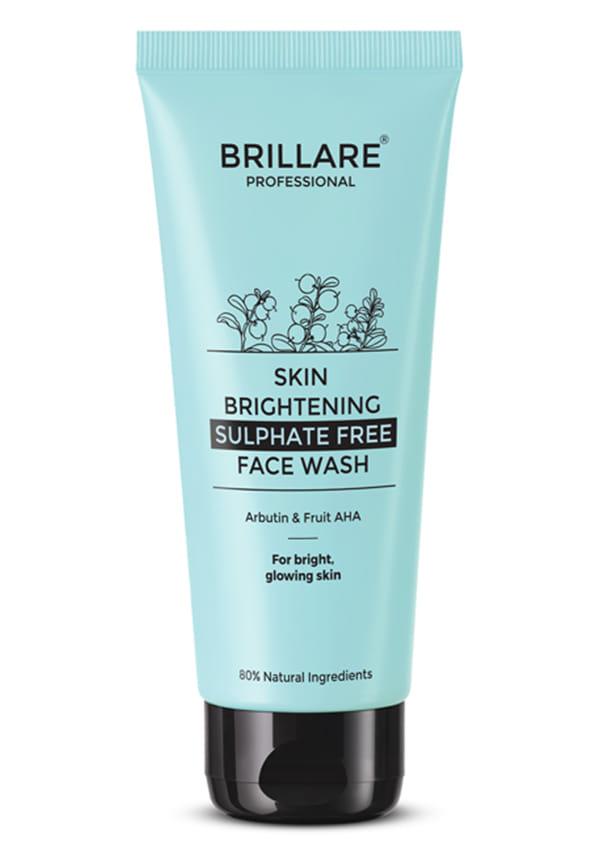 100 ml
Skin Brightening Face Wash For Reducing Pigmentation
Sensitive skin often reacts poorly to harsh chemicals or aggressive scrubbing, making natural, pH-balanced solutions the preferred choice. The goal is achieving clean skin without compromising its protective barrier or triggering inflammatory responses.
Create a mixture of whole milk and raw honey in equal proportions. The lactic acid in milk gently exfoliates while honey provides antimicrobial benefits and deep moisturisation. Apply this mixture and let it sit for 15 minutes before gentle removal.
Plain yoghurt contains natural enzymes that break down colour particles while probiotics support skin health. Apply thick yoghurt to coloured areas, massage gently, and rinse with cool water for a soothing removal experience.
Common kitchen ingredients offer surprisingly effective solutions for holi color removal while being gentle on your skin and budget-friendly. These readily available items often work better than commercial products due to their natural composition.
The advantage of kitchen-based solutions lies in their familiarity and safety profile - you know exactly what you're applying to your skin without worrying about harsh chemicals or unknown additives.
Mix gram flour with milk or yoghurt to create a paste-like consistency. This traditional Indian beauty remedy gently exfoliates dead skin cells while absorbing colour particles. The natural proteins in gram flour also nourish your skin during the removal process.
Combine fresh lemon juice with fine sugar to create a natural exfoliating scrub. The citric acid helps break down colours while sugar provides gentle physical exfoliation. Use sparingly and avoid sensitive areas to prevent irritation.
Herbal remedies offer time-tested solutions for colour removal while providing additional skin benefits through their natural therapeutic properties. These plant-based approaches align with Ayurvedic principles of gentle, holistic skincare that help you remove holi color naturally.
Traditional herbal knowledge recognises that effective cleansing doesn't require harsh methods - nature provides gentle yet powerful solutions that work in harmony with your skin's natural processes.
Combine turmeric powder with chickpea flour and rose water to create a cleansing paste. Turmeric's anti-inflammatory properties soothe skin while chickpea flour provides gentle cleansing action. This combination has been used for centuries in Indian skincare routines.
Blend fresh neem leaves with aloe vera gel for a powerful yet gentle cleansing treatment. Neem's antimicrobial properties prevent skin issues while aloe vera provides cooling relief and deep hydration.
Understanding your specific skin type enables you to choose the most appropriate aftercare routine following colour removal. Different skin types respond differently to various ingredients and techniques, making personalised care essential for effective holi colour removal tips.
Proper aftercare prevents long-term skin damage and ensures your skin recovers quickly from the festival's colourful aftermath. This targeted approach addresses each skin type's unique needs and vulnerabilities.
For oily skin, focus on gentle cleansing without over-stripping natural oils, which can trigger increased oil production. Use clay-based masks post-removal to absorb excess oils while maintaining skin balance.
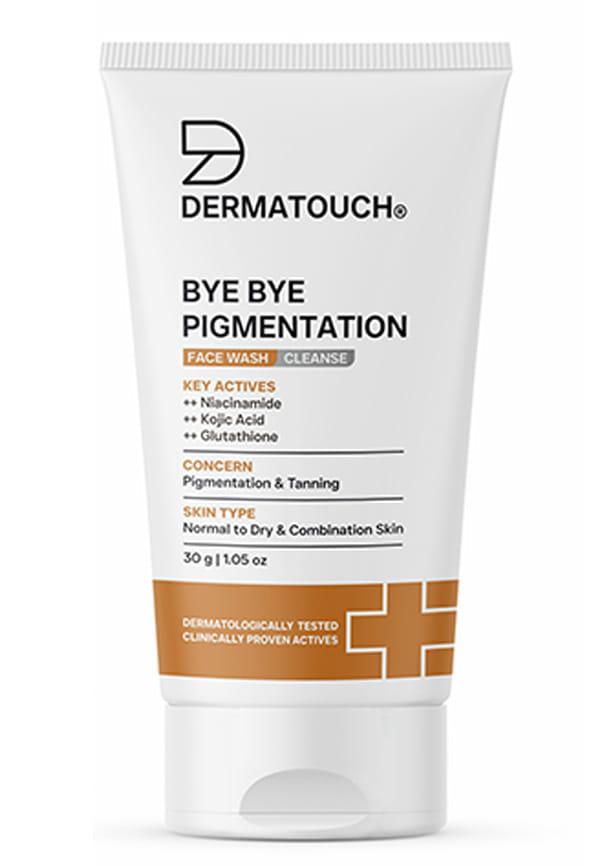 30 gm
30 gmBye Bye Pigmentation Face Wash
Dry skin requires intensive moisturisation following colour removal. Apply rich, natural moisturisers immediately after cleansing and consider overnight treatments with nourishing oils to restore skin barrier function.
Address different areas of combination skin with targeted treatments - use gentle exfoliation on oily T-zones while providing extra moisture to dry cheek areas for balanced skin health.
Some colour stains prove more challenging to remove, requiring specialised techniques and patience. Understanding why certain colours persist helps in developing effective removal strategies without damaging your skin.
Synthetic colours and certain natural dyes can bind more strongly to skin proteins, making them resistant to standard removal methods. The key lies in persistence with gentle methods rather than aggressive scrubbing.
Purple and blue colours often contain stronger pigments that require extended oil treatment. Apply coconut oil mixed with a small amount of baking soda, let it sit for 20 minutes, then gently massage before rinsing.
Red and orange stains respond well to tomato juice application due to its natural acidity. Apply fresh tomato juice, allow it to work for 15 minutes, then follow with your regular cleansing routine.
Understanding what not to do during colour removal is equally important as knowing the right techniques. Common mistakes can lead to skin damage, permanent staining, or prolonged removal processes.
Many people instinctively resort to harsh methods when colours don't come off immediately, but patience and gentle persistence yield better results while protecting skin health.
Never use bleach, harsh detergents, or abrasive scrubbing tools on your skin. These methods can cause chemical burns, permanent skin damage, or hyperpigmentation that lasts much longer than any colour stain.
Avoid hot water immediately after colour application, as heat can set colours permanently into your skin. Similarly, don't scrub aggressively, as this pushes colours deeper into skin pores rather than removing them.
While home remedies prove effective for most Holi colour removal needs, understanding when to consider professional help ensures optimal skin health. Comparing these approaches helps you make informed decisions about your post holi skincare routine.
Professional treatments offer specialised equipment and expertise but aren't always necessary for standard colour removal. Home remedies provide convenience, cost-effectiveness, and often gentler results for routine situations.
For those looking to explore professional-grade skincare products at home, Smytten offers an excellent solution for discovering effective post-Holi skincare options. As India's largest product discovery platform, Smytten connects you with over 1,500 trusted beauty and wellness brands through curated trial packs. You can explore gentle cleansers, moisturisers, and specialised colour removal products from brands like Cetaphil and Dot & Key before committing to full-size purchases. With trial packs available for just ₹249 and 100% cashback redeemable for future orders, you can find the perfect post-Holi skincare routine without the guesswork.
Consider professional assistance if you experience persistent skin irritation, allergic reactions, or if colours remain after 48 hours of gentle removal attempts. Dermatologists can provide specialised treatments and assess any skin damage.
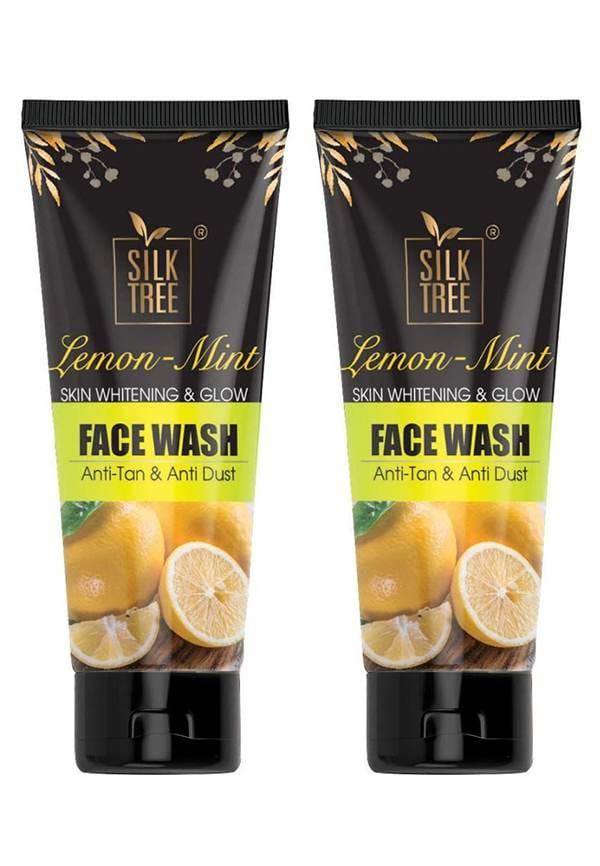 200 gm
Lemon & Mint Skin Whitening Anti-Tan Face Wash
Home remedies typically cost a fraction of professional treatments while providing excellent results for routine colour removal. Most ingredients are readily available and serve multiple purposes in your skincare routine.
Maintaining skin health extends beyond immediate colour removal to include ongoing care that prevents lasting effects from festival celebrations. This holistic approach ensures your skin remains healthy and resilient for future festivities.
Post-Holi skincare should focus on restoration, protection, and preparation for future celebrations. Understanding the cumulative effects of colour exposure helps in developing sustainable skincare practices.
Most skin returns to normal within 3-7 days following gentle colour removal and proper aftercare. However, very sensitive skin or harsh colour exposure may require up to two weeks for complete recovery.
Apply a protective base of coconut oil or petroleum jelly before participating in Holi celebrations. This barrier method makes subsequent colour removal significantly easier while protecting your skin from direct colour contact.
With proper gentle removal techniques, most Holi colours come off within 24-48 hours. Stubborn synthetic colours may take up to a week with consistent gentle treatment. Avoid aggressive scrubbing, which can prolong the process and damage your skin.
It's better to start with oil-based removal before using soap. Apply coconut or olive oil first, let it work for 10-15 minutes, then follow with gentle soap. This sequence prevents colours from setting deeper into your skin.
Stop removal attempts immediately and rinse with cool water. Apply aloe vera gel or a cold compress to soothe irritation. If symptoms persist beyond 24 hours or worsen, consult a dermatologist for proper treatment.
Most Holi colours, even synthetic ones, don't permanently stain healthy skin when removed properly. However, very low-quality colours containing harmful chemicals might cause longer-lasting stains or skin damage.
Apply a generous layer of coconut oil, petroleum jelly, or heavy moisturiser before colour application. Cover exposed areas with old clothes, and consider wearing sunglasses to protect the delicate eye area.
Lemon juice can be effective but should be used cautiously, especially on sensitive skin. Always dilute it with water or mix with other gentle ingredients like yoghurt. Avoid sun exposure after lemon application to prevent photosensitivity.
Gentle Holi colour removal prioritises skin health over speed, using natural ingredients that nourish while cleansing. Oil-based methods prove most effective for stubborn colours, while kitchen ingredients offer safe, accessible solutions for most situations. Remember that patience and persistence with gentle techniques yield better results than aggressive scrubbing, which can damage your skin and prolong the removal process. Proper aftercare ensures your skin recovers completely and remains healthy for future celebrations. Most importantly, preparation before playing Holi makes the cleanup process significantly easier and more comfortable for your skin.
