9 Best Skin Brightening Creams for Face for Radiant Skin


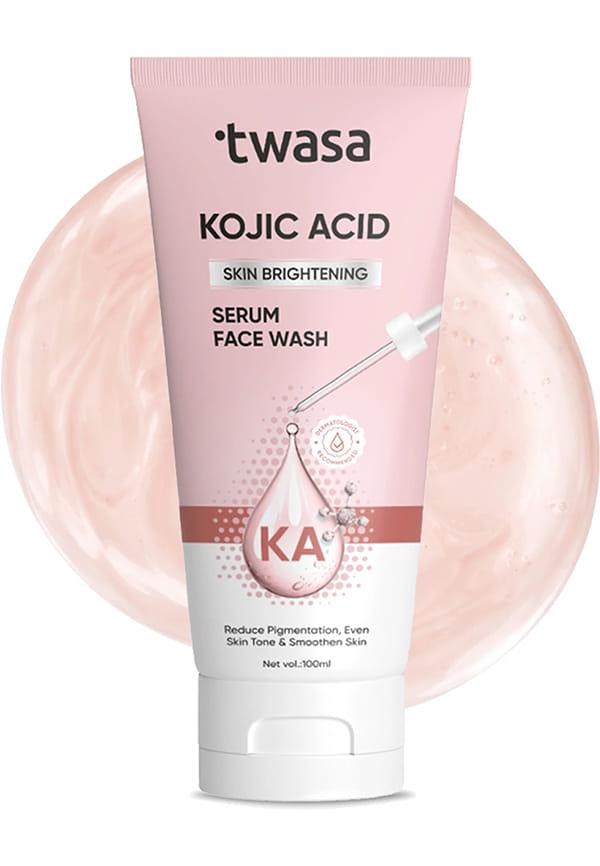
Kojic Acid For Dark Spots, Even Skin Tone & Pigmentation
Let's be real—finding the perfect skin brightening cream feels like searching for a needle in a haystack. With countless face brightening products promising radiant, even-toned skin, it's easy to get overwhelmed by the options. Whether you're dealing with stubborn dark spots, uneven skin tone, or just want that natural glow, the right brightening cream can be a game-changer. But here's the thing: not all skin lightening creams are created equal, and what works for your friend might not work for you. That's where smart product discovery comes in handy—platforms like Smytten let you trial different formulations before committing to full-size purchases, making it easier to find your perfect match without the guesswork.
The best skin brightening creams for face contain proven ingredients like vitamin C, niacinamide, and kojic acid that target melanin production
Different formulations work better for specific skin types—oily skin benefits from lightweight gels while dry skin needs richer creams
Consistent use for 4-8 weeks is typically needed to see visible results from hyperpigmentation treatment creams
Always pair brightening products with SPF 30+ sunscreen to prevent further dark spots and maintain results
Natural skin brighteners like vitamin C and licorice extract offer gentler alternatives to harsh chemical formulations
Skin brightening creams are specially formulated face brightening products designed to reduce the appearance of dark spots, hyperpigmentation, and uneven skin tone. Unlike harsh bleaching agents, modern brightening creams work by gently inhibiting melanin production—the pigment responsible for dark spots—while promoting healthy cell turnover to reveal fresher, more radiant skin underneath.
The magic happens through carefully selected active ingredients that target different stages of pigmentation. Some ingredients like vitamin C and kojic acid prevent new melanin from forming, while others like alpha hydroxy acids help speed up the natural exfoliation process. This dual approach means you're not just covering up dark spots—you're actually addressing them at the source while preventing new ones from forming.
After extensive research and considering various skin types and concerns, here are the standout performers in the world of radiant skin creams. Each of these formulations brings something unique to the table, whether it's gentle natural ingredients or powerhouse actives for stubborn hyperpigmentation.
Vitamin C remains the gold standard in brightening skincare, and for good reason. These formulations typically contain L-ascorbic acid or more stable derivatives like magnesium ascorbyl phosphate. They work by inhibiting tyrosinase, the enzyme responsible for melanin production, while providing antioxidant protection against environmental damage. Most users see noticeable improvements in skin radiance within 2-3 weeks, with dark spots beginning to fade after 4-6 weeks of consistent use.
If your skin tends to react to stronger actives, niacinamide-based even skin tone creams are your best friend. This form of vitamin B3 is incredibly gentle yet effective, reducing inflammation while gradually lightening dark spots. It's particularly brilliant for those with acne-prone skin since it also helps regulate oil production and minimise pore appearance.
Derived from fermented rice, kojic acid is a natural skin brightener that's particularly effective against stubborn melasma and post-inflammatory hyperpigmentation. These formulations work slower than some chemical alternatives but offer excellent results for persistent dark spots without the harsh side effects.
AHA-based brightening creams work by gently exfoliating the skin's surface, removing dead cells that can make skin look dull and uneven. Glycolic and lactic acid are the most common choices, with lactic acid being gentler for sensitive skin types.
Extracted from bearberry plants, arbutin offers a gentler approach to skin brightening. It's particularly suitable for those who want effective results without the potential irritation that can come with stronger chemical actives.
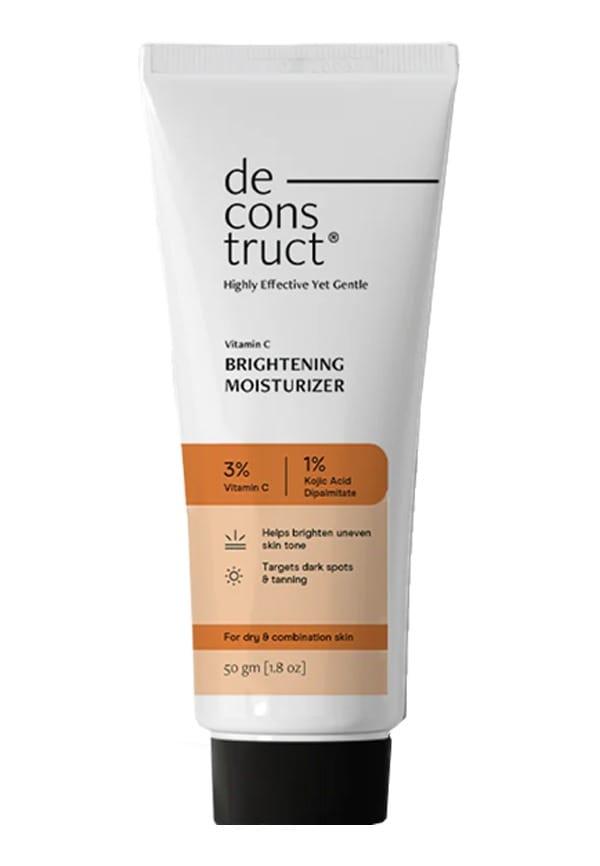
Niacinamide Brightening Moisturizer- 5% Niacinamide + 1% Kojic Acid + 5% Vitamin C + Vitamin E
Nice product, must try
 5
5“nice product must try to all skin types”
Good Consistency, Not Patchy
4“good consistency medium not patchy”
Good for Dry Skin
5“Helpful for dry skin made my skin soft”
These dual-purpose formulations tackle both signs of ageing and uneven skin tone. Retinol accelerates cell turnover, helping to fade dark spots while smoothing fine lines and improving overall skin texture.
For those dealing with persistent hyperpigmentation, formulations combining multiple brightening agents can be incredibly effective. These often blend vitamin C, niacinamide, and plant extracts for comprehensive dark spot treatment.
These formulations harness the power of natural ingredients like licorice root, mulberry extract, and green tea. While they work more gradually than synthetic alternatives, they're excellent for long-term skin health and are suitable for most skin types.
Combining brightening actives with skin-repairing peptides, these creams address multiple concerns simultaneously. They're particularly beneficial for mature skin that needs both brightening and firming benefits.
Selecting the perfect brightening cream isn't just about the active ingredients—your skin type plays a crucial role in determining which formulation will work best for you. Understanding your specific needs and skin characteristics will help you make a more informed choice and avoid potential irritation.
Different types of hyperpigmentation require different approaches. Post-inflammatory hyperpigmentation from acne responds well to niacinamide and vitamin C, while melasma often needs stronger actives like kojic acid or arbutin. Sun damage and age spots typically benefit from AHA treatments combined with antioxidants.
Oily skin types should look for lightweight, gel-based formulations that won't clog pores. Dry skin benefits from cream-based products with added hydrating ingredients like hyaluronic acid. Sensitive skin requires gentler actives and should avoid products with high concentrations of acids or fragrances.
Some brightening ingredients don't play well together. For example, vitamin C and retinol should typically be used at different times of day to avoid irritation. Always introduce new products gradually and consider patch testing, especially if you have sensitive skin.
The effectiveness of any skin lightening cream comes down to its active ingredients. Understanding what each ingredient does and how it works can help you choose products that align with your specific skin goals and tolerance levels.
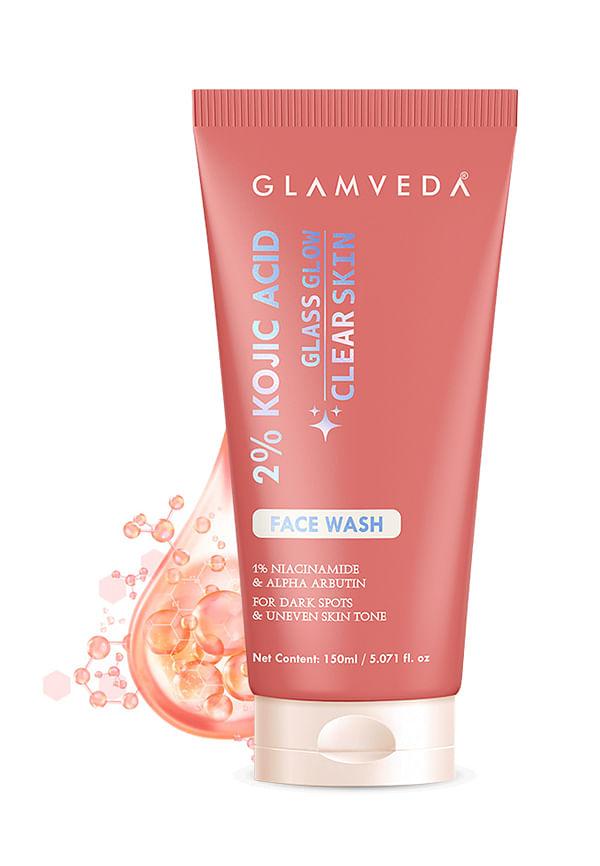
2% Kojic Acid Face Wash With 1% Niacinamide & Alpha Arbutin for dark spot & uneven skin tone clear glow
Good Product, Liked It
5“it's so good product iliket this”
Good but feels dry
5“the product is overall good but feels dry .”
Vitamin C stands as the most researched and effective brightening ingredient, available in various forms from L-ascorbic acid to more stable derivatives. Niacinamide offers gentle yet effective results, particularly for sensitive skin types. Kojic acid and arbutin provide natural alternatives with excellent safety profiles, while alpha hydroxy acids like glycolic and lactic acid offer the added benefit of improved skin texture through gentle exfoliation.
The best creams for glowing skin don't rely on brightening actives alone. Hyaluronic acid provides essential hydration, peptides support skin repair and renewal, and antioxidants like vitamin E and green tea extract protect against environmental damage that can worsen hyperpigmentation.
While hydroquinone can be effective, it requires careful use and professional guidance. Avoid products containing mercury or other harsh bleaching agents, which can cause serious skin damage. Always check ingredient lists and opt for products from reputable brands with transparent formulations.
Proper application technique can make the difference between seeing results and experiencing irritation. The key is starting slowly, being consistent, and always protecting your skin from further damage during the brightening process.
Start with a gentle brightening face wash to prepare your skin, then apply your chosen cream to clean, dry skin. Use a pea-sized amount and gently pat into areas of concern, avoiding the delicate eye area unless the product is specifically formulated for that region. Always follow with a moisturiser if your brightening cream doesn't provide adequate hydration.
Sun protection is non-negotiable when using any brightening product. Apply SPF 30 or higher every morning, even on cloudy days. Start by using your chosen product every other night, gradually increasing frequency as your skin builds tolerance. If you experience persistent irritation, reduce usage or switch to a gentler formulation.
Consistency is key—sporadic use won't deliver the results you're looking for. Complement your brightening routine with a healthy lifestyle, including adequate hydration and a diet rich in antioxidants. Consider professional treatments like chemical peels or laser therapy for stubborn hyperpigmentation, but always consult a dermatologist first.
The debate between natural and synthetic brightening ingredients isn't black and white. Both approaches have their merits, and the best choice often depends on your skin type, the severity of your hyperpigmentation, and your personal preferences regarding ingredient origins.
Plant-derived ingredients like vitamin C from kakadu plum, licorice root extract, and mulberry extract offer gentle yet effective brightening benefits. These natural skin brighteners typically work more slowly than synthetic alternatives but often come with additional skin-nourishing benefits and lower risk of irritation.
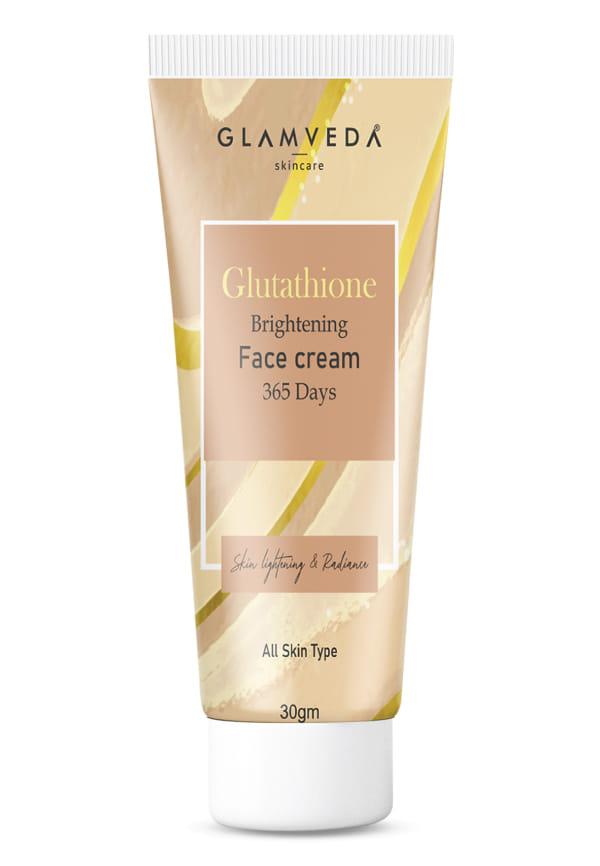
Glutathione Brightening Face Cream Reduce Dark spots & Age spots with Vitamin C
Effective for Brightening & Hydration
4“Lightweight cream brightens skin and hydrates well.See improved radiance and slightly faded dark spots with regular use. Results vary; not dramatic for deep aging lines or spots”
Positive Product Review
4“good product , nice smell, I like it”
Excellent Cream
5“this is the best cream and smell is too good”
Synthetic ingredients often provide faster, more dramatic results due to higher concentrations and enhanced stability. However, natural alternatives offer excellent long-term benefits with fewer side effects. The choice often comes down to your timeline expectations and skin sensitivity levels.
Most people notice initial improvements in skin radiance within 2-3 weeks of consistent use. Significant reduction in dark spots typically takes 6-12 weeks, depending on the severity of hyperpigmentation and the strength of active ingredients. Remember, patience and consistency are key to achieving lasting results.
Yes, but layering requires careful consideration. Use brightening products after cleansing but before heavier moisturisers. Avoid mixing vitamin C with retinol or benzoyl peroxide in the same routine. When in doubt, use different actives at different times of day or on alternate days.
This depends on the specific formulation and your skin's tolerance. Gentle ingredients like niacinamide can typically be used twice daily, while stronger actives like glycolic acid might be best used every other night initially. Always start slowly and monitor your skin's response.
Brightening creams focus on evening skin tone and adding radiance, while whitening creams aim to lighten overall skin colour. Brightening is generally considered safer and more focused on addressing specific concerns like dark spots rather than changing natural skin tone.
Absolutely! Many brightening ingredients can increase photosensitivity, making your skin more susceptible to UV damage. Daily SPF 30+ is essential to prevent new dark spots and protect the progress you're making with your brightening routine.
Yes, particularly for post-inflammatory hyperpigmentation—the dark marks left behind after acne heals. Ingredients like niacinamide, vitamin C, and alpha hydroxy acids are particularly effective for this type of scarring. However, deep, pitted scars may require professional treatments.
The journey to radiant, even-toned skin doesn't have to be complicated. The best skin brightening creams for face combine proven active ingredients with gentle, skin-supporting formulations. Whether you opt for powerhouse vitamin C serums, gentle niacinamide treatments, or natural botanical blends, consistency and patience are your best allies.
Remember that everyone's skin is different, and what works brilliantly for one person might not be the perfect fit for another. This is why trying products before committing to full sizes can save you both money and potential skin irritation. Focus on understanding your specific skin concerns, choose ingredients that align with your skin type, and always prioritise sun protection to maintain your results.
Finding your perfect brightening cream shouldn't involve expensive trial and error. Smytten is India's largest product discovery and trial platform, connecting you with over 1,500 trusted brands including skincare favourites like Cetaphil, Dot & Key, and Love, Beauty & Planet. With curated trial packs available for just ₹249, you can explore up to 8 different brightening formulations before committing to full-size purchases. The platform offers 100% cashback on trial minis, making product discovery both affordable and rewarding. With authentic brand-verified minis delivered across 27,000+ pincodes, you can confidently try before you buy and discover your ideal brightening routine. After all, why settle for 'maybe' when you can #TryItAll!
