How to Use Face Brushes Like a Pro Makeup Artist

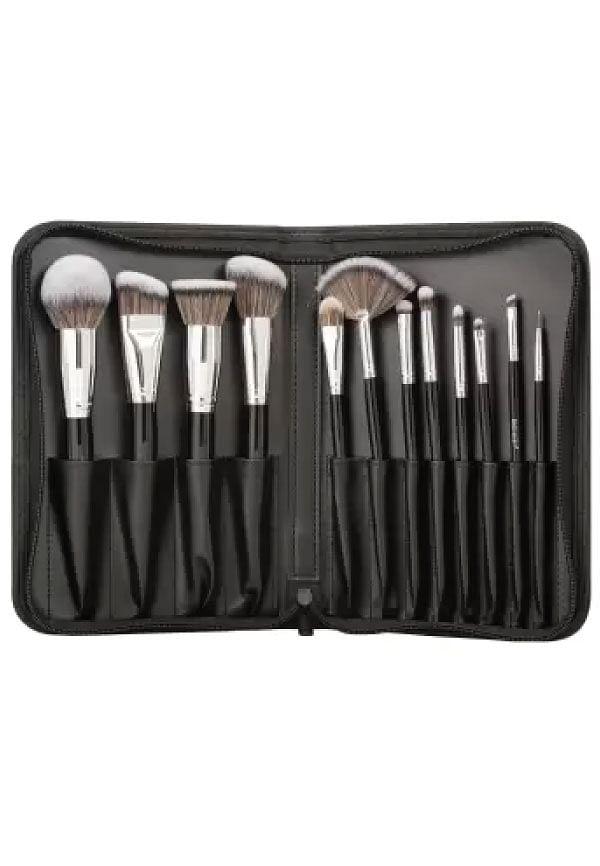 12 Pieces
Professional Makeup Brush Set
Ever wondered why your makeup looks different from those flawless Instagram tutorials? The secret isn't just in the products—it's in how to use face brushes properly. Real talk: the right brush technique can transform your entire makeup game, turning a basic routine into something that looks professionally done. Whether you're working with a budget-friendly cosmetic brush set or investing in the best makeup brushes, knowing the proper application methods makes all the difference. Let's dive into the techniques that makeup artists swear by, so you can achieve that coveted flawless finish every single time.
Building the perfect cosmetic brush set starts with understanding what each brush actually does. Think of it like having the right tools for any job—you wouldn't use a hammer when you need a screwdriver, right? The same logic applies to face brush types. Each brush is designed with specific bristle shapes, densities, and sizes to work with different products and achieve particular effects.
When it comes to applying foundation with brush, you've got options. Flat foundation brushes work brilliantly for liquid foundations, giving you precise control and buildable coverage. Buffing brushes, with their dense, rounded bristles, are your go-to for powder foundations and creating that airbrushed finish. Stippling brushes—those duo-fibre ones with white and black bristles—are perfect when you want buildable coverage without the heaviness.
Angled contour brushes are absolute game-changers for precise sculpting. The slanted edge fits perfectly into the hollows of your cheeks and along your jawline. Fan brushes might look delicate, but they're brilliant for subtle highlighting—no harsh lines, just that perfect glow. For cream contour products, you'll want denser brushes that can pick up and blend the product without absorbing too much.
Fluffy powder brushes are essential for setting your makeup without disturbing the layers underneath. Angled blush brushes give you that precise cheek definition, whilst dome-shaped brushes are perfect for bronzer application—they distribute the product evenly for a natural sun-kissed look.
Mastering foundation application is where your makeup brush guide knowledge really pays off. The key is understanding that different techniques create different finishes, and the prep work is just as important as the application itself.
Start with a primer that suits your skin type—this creates the perfect canvas for brush application. Slightly dampen your brush with a setting spray or water for liquid foundations; this prevents the brush from absorbing too much product. When loading your brush, less is more—you can always build up coverage.
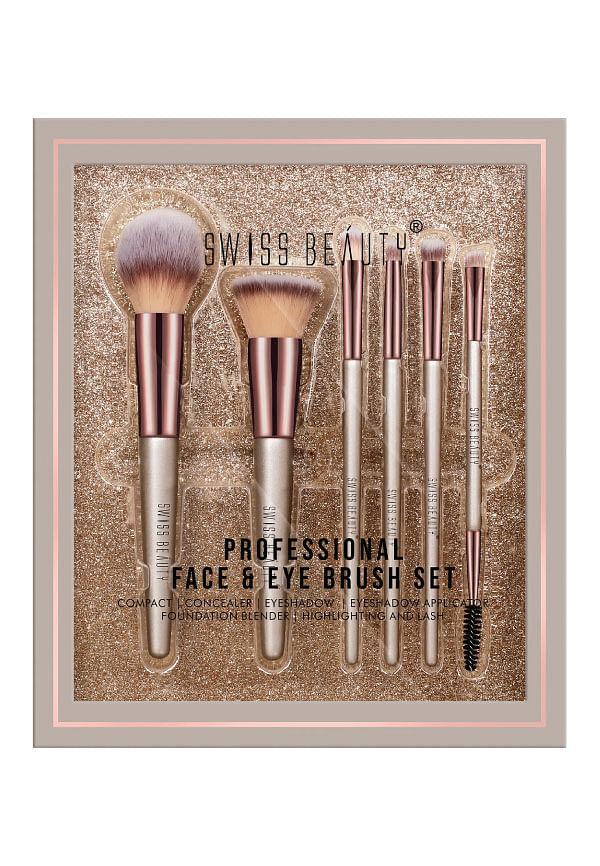 6 Pieces
Acrylic Bristle Professional Face and Eye Brush Set
The stippling method involves gently pressing the brush onto your skin and lifting it up repeatedly. This technique is brilliant for full coverage without looking cakey. The buffing technique uses circular motions to blend the foundation seamlessly into your skin—perfect for a natural finish. Always blend the edges where your foundation meets your hairline and jawline for that professional result.
Over-working your foundation is a rookie mistake that can lead to patchy coverage. Choose the right brush density for your foundation type—thick foundations need denser brushes, whilst light formulas work better with fluffy brushes. Apply gentle pressure and use the right motions for your chosen technique.
Contouring isn't just about following trends—it's about understanding your face shape and using the right contour brush techniques to enhance your natural features. The right face makeup tools can literally reshape your face with shadows and light.
Round faces benefit from longer, more angled brushes that can create precise lines. Square faces need brushes that can soften harsh angles, whilst oval faces can work with most brush shapes. For cream contour products, opt for synthetic bristles that won't absorb the product. Size matters too—smaller brushes give you more precision, whilst larger ones are better for blending.
Start by mapping your face—identify where shadows naturally fall. Apply contour in the hollows of your cheeks, along your temples, and under your jawline. Use gentle, sweeping motions to blend, building intensity gradually. The goal is to create natural-looking shadows, not harsh lines.
Understanding blush brush uses and powder brush application techniques can make the difference between looking naturally flushed and looking like you've applied makeup with a trowel. It's all about placement, pressure, and the right brush for your face shape.
For round faces, apply blush slightly higher on the cheekbones to create lift. Square faces benefit from blush applied in a circular motion on the apples of the cheeks to soften angles. Oval faces can handle most placement techniques. Use light pressure and build the colour gradually—you can always add more, but it's harder to take away.
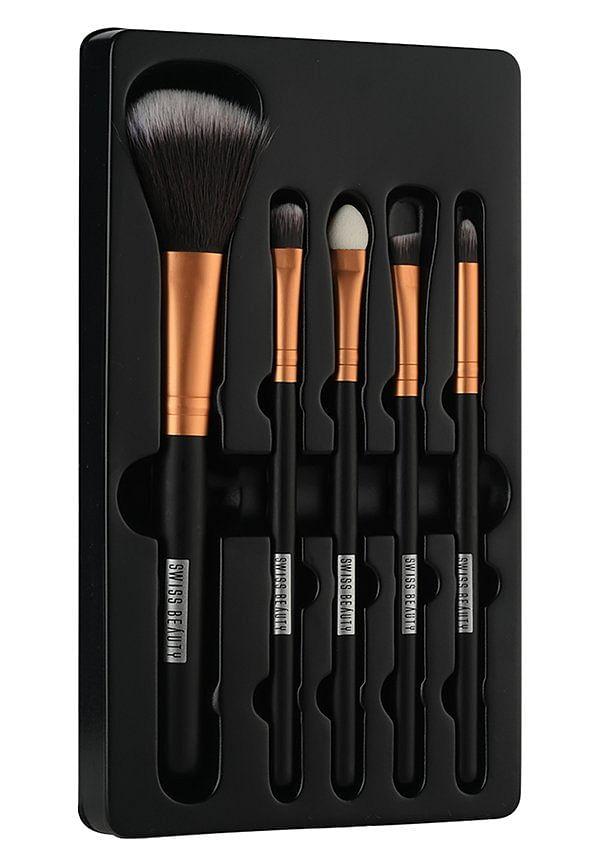 5 Pieces
Makeup Brushes Set
Use a large, fluffy brush for all-over powder application. Press the brush into the powder, tap off excess, then gently press onto your skin rather than sweeping. For targeted application on oily areas like your T-zone, use a smaller, denser brush. This prevents a cakey finish and ensures your makeup stays put all day.
Your brush cleaning tips routine is crucial for both hygiene and performance. Dirty brushes can harbour bacteria, cause breakouts, and affect how your makeup applies. Plus, well-maintained brushes last longer, making your cosmetic brush set investment worthwhile.
Between uses, spritz your brushes with a quick-dry brush cleanser and swirl them on a clean tissue. This removes product buildup and sanitises the bristles. For brushes used with cream products, this daily cleaning is non-negotiable to prevent bacterial growth.
Weekly deep cleaning involves washing your brushes with gentle shampoo or specialised brush cleanser. Rinse thoroughly, gently squeeze out excess water, and reshape the bristles. Lay them flat to dry—never dry them upright as water can seep into the ferrule and loosen the bristles.
Store brushes upright in a holder or lay them flat in a brush roll. Avoid storing them in closed containers whilst damp, as this can cause mould. For travel, invest in brush guards to maintain their shape and protect the bristles.
When building your collection of the best makeup brushes, quality trumps quantity every time. You'd rather have five brilliant brushes that perform well than twenty mediocre ones that frustrate you every time you use them.
Natural bristles are fantastic for powder products—they pick up and distribute powder beautifully. Synthetic bristles work better with liquid and cream products, as they don't absorb as much product. If you have sensitive skin, synthetic brushes are often gentler and easier to clean thoroughly.
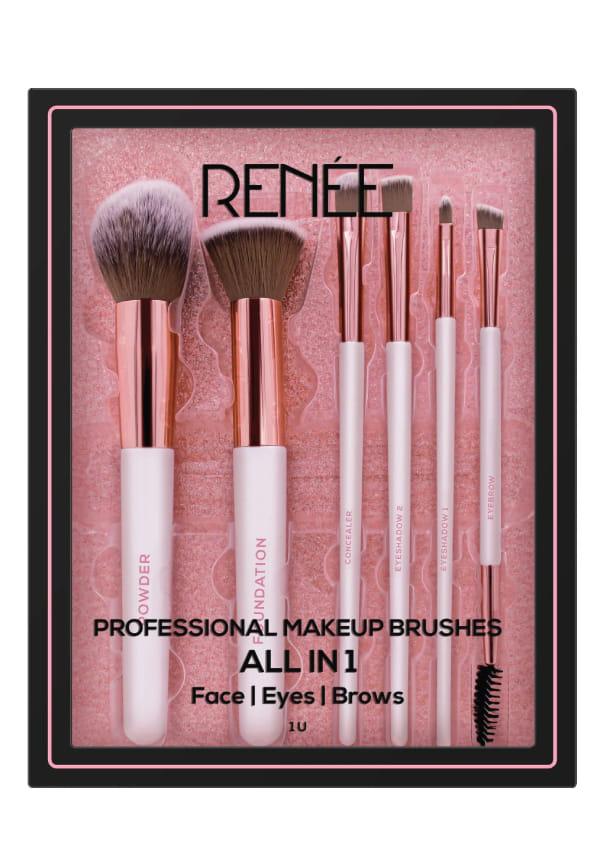 6 Pcs
6 PcsAll In 1 Professional Makeup Brush Set
Start with the basics: a foundation brush, powder brush, blush brush, and angled contour brush. These four can handle most of your face makeup needs. As your skills develop, you can add specialised brushes like fan brushes for highlighting or stippling brushes for specific techniques.
This is where platforms like Smytten become incredibly useful. With over 1,500 trusted brands available in trial sizes, you can experiment with different makeup products to understand which formulas work best with your brush collection. Getting up to 8 minis for just ₹249 means you can try various foundations, blushes, and contour products without committing to full sizes—perfect for perfecting your brush techniques with different product textures.
Spot clean after each use with a quick-dry cleanser, and deep clean weekly with gentle shampoo. Brushes used with liquid or cream products need more frequent cleaning than those used with powders.
It's best to have dedicated brushes for different product types to prevent colour contamination and ensure optimal performance. However, if you clean thoroughly between uses, some brushes can be multi-purpose.
Replace brushes when bristles start shedding excessively, lose their shape, or become scratchy. Quality brushes can last years with proper care, whilst cheaper ones might need replacing every 6-12 months.
Face brushes have softer, finer bristles designed for delicate facial skin and precise application. Body brushes are typically larger with firmer bristles, designed for broader application areas and different product types.
Learning how to use face brushes properly is honestly one of the best investments you can make in your makeup routine. It's not about having the most expensive tools—it's about understanding which brush works for what and mastering the techniques that create flawless results. Whether you're working with a basic cosmetic brush set or gradually building your collection of the best makeup brushes, the key is practice and patience.
Remember, makeup is meant to be fun and experimental. Don't be afraid to try different techniques and find what works for your face shape and skin type. With Smytten's trial platform, you can explore products from over 1,500 brands, discovering which formulas work best with your brush techniques. The 100% cashback on trial minis makes it risk-free to experiment, and when you find products you love, getting the full-size versions is just a click away. After all, why settle for maybe when you can try it all and perfect your brush game with confidence?
