How to Choose the Right Makeup Sponge Type

 2 Units
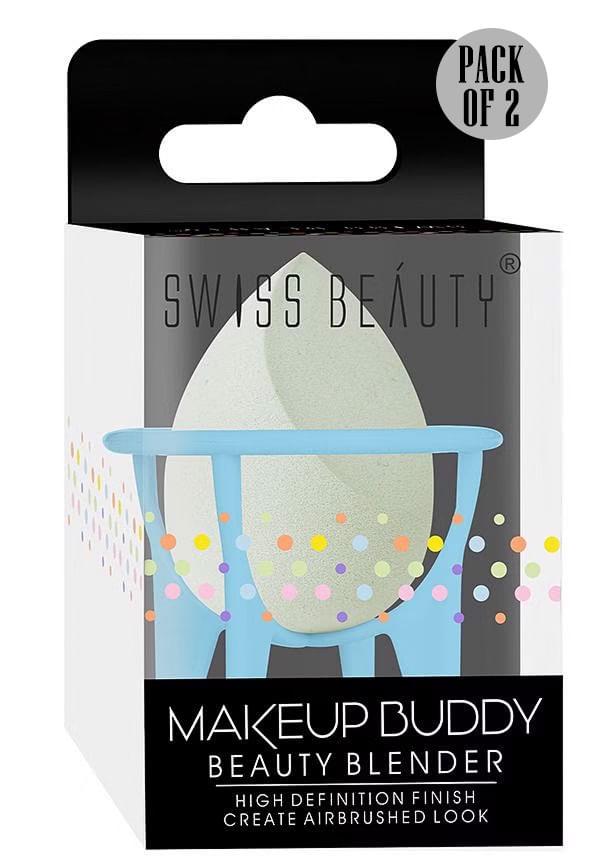
Makeup Buddy Beauty Blender
Let's be real—choosing the right makeup sponge can feel like navigating a beauty maze. With so many different cosmetic sponge types flooding the market, it's easy to feel overwhelmed. But here's the thing: the right sponge can completely transform your makeup game, whilst the wrong one might leave you wondering why your foundation looks patchy or your concealer won't blend properly. Whether you're a makeup newbie or someone who's been experimenting for years, understanding which cosmetic applicators work best for your routine is absolutely worth the effort. Think of this as your friendly guide to finding your perfect match—no more guessing, no more settling for 'good enough'.
The world of makeup sponges is far more diverse than you might think. Each type brings something unique to your beauty routine, and knowing what sets them apart can help you make smarter choices. From the material they're made of to how they interact with your products, every detail matters.
Material composition plays a huge role in how your sponge performs. Latex-free sponge options have become increasingly popular, especially for those with sensitive skin or allergies. These synthetic alternatives often provide the same blending power without the risk of irritation. Density and texture variations determine how much product your sponge absorbs and how it distributes that product on your skin. A denser sponge typically absorbs less product, making it ideal for sheer coverage, whilst a more porous option might be perfect for building up coverage gradually. Absorption capabilities differ dramatically between sponge types. Some are designed to hold onto product, perfect for cream blushes or liquid highlighters, whilst others are meant to pick up minimal product for a natural, airbrushed finish.
Your choice of blending sponge directly impacts your foundation coverage and finish. The wrong sponge might leave you with streaky application or eat up half your expensive foundation before it even reaches your face. Product waste reduction is a real concern. A high-quality sponge that works well with your products means you'll use less foundation, concealer, and other liquid makeup—saving money in the long run. Application time and technique efficiency improve dramatically when you're using the right tools. The perfect sponge for your routine can cut your makeup time in half whilst delivering better results.
Navigating sponge shapes doesn't have to be complicated. Each shape serves a specific purpose, and understanding these can help you build a collection that actually works for your needs. Let's break down the essentials that deserve a spot in your makeup kit.
The iconic teardrop shape isn't just trendy—it's genuinely functional. The rounded bottom covers large areas like your cheeks and forehead efficiently, whilst the pointed tip gets into those tricky spots around your nose and under your eyes. Best for: Foundation, concealer, cream blush, and liquid highlighter. This versatile foundation sponge adapts to most liquid and cream products beautifully. Wet vs. dry application techniques matter here. Dampening your beauty blender creates a more natural, dewy finish and prevents it from absorbing too much product. Using it dry gives you more coverage and a slightly more matte result.
These triangular makeup tools are brilliant for precision work. The flat edges make contouring and highlighting much more controlled, especially if you're still learning these techniques. Best for: Contouring, highlighting, detailed work around the hairline, and setting powder in specific areas. Cost-effective option for beginners who want to experiment without investing in expensive tools. Many professional makeup artists still swear by these for certain techniques.
 1 Unit
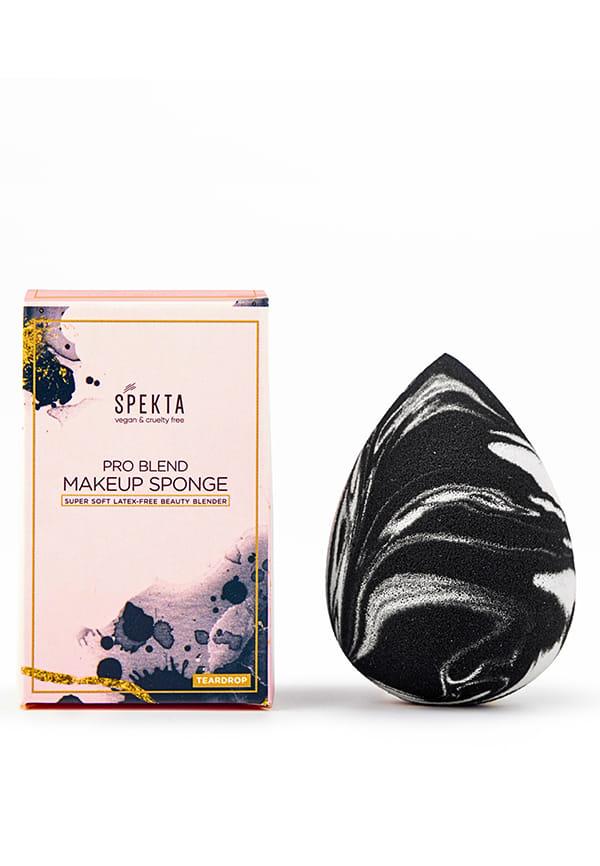
Pro Blend Makeup Sponge (Teardrop)
Don't underestimate the power of a simple flat sponge. The large surface area makes quick work of powder application, and the firm, flat surface gives you control over how much product you're applying. Best for: Setting powder, bronzer application, and blending harsh lines. This powder sponge type excels at creating smooth, even coverage. Professional makeup artists often reach for these when they need to work quickly and efficiently, especially for photoshoots or events.
Size matters when it comes to precision. These tiny tools are perfect for detailed work that larger sponges simply can't handle effectively. Best for: Under-eye concealer, spot coverage, highlighting the inner corners of your eyes, and cleaning up any makeup mistakes. Travel-friendly size makes them perfect for touch-ups throughout the day. A dedicated concealer sponge in your handbag can be a real lifesaver.
These modern alternatives to traditional sponges offer a completely different approach to makeup application. The non-porous surface means virtually no product absorption. Best for: Liquid products, easy cleaning, and anyone who wants to minimise product waste. Hygienic and long-lasting option that pays for itself over time. Whilst the application technique takes some getting used to, many people love the control and product-saving benefits.
Understanding when to use which type of sponge can elevate your entire makeup routine. Each serves a specific purpose, and using them correctly makes all the difference in your final look.
Dense vs. soft textures create different coverage levels. A denser foundation sponge works brilliantly for sheer, natural coverage, whilst a softer, more porous option helps build up coverage where you need it. Size considerations matter for your face shape. If you have a smaller face, a standard beauty blender might feel overwhelming, whilst those with larger faces might find mini sponges inefficient for foundation application. Liquid, cream, and stick foundation compatibility varies. Cream foundations often work better with slightly damp sponges, whilst liquid foundations can handle either wet or dry application depending on your desired finish.
Mini sizes provide the precision needed for effective concealer application. A dedicated concealer sponge allows you to build coverage gradually without disturbing your foundation underneath. Firm texture helps achieve buildable coverage without creating a cakey appearance. The right concealer sponge should feel substantial enough to blend product effectively but gentle enough not to irritate delicate under-eye skin. Under-eye area specific shapes, like small teardrops or flat-edged minis, conform to the natural contours of this delicate area.
Velour and flocked textures pick up and distribute powder products beautifully. These specialised powder sponge options create a smooth, professional finish that's hard to achieve with brushes alone. Setting vs. touch-up purposes require different approaches. For setting, you want a sponge that distributes powder evenly without disturbing your base makeup. For touch-ups, you need something that can pick up excess oil whilst refreshing your powder. Pressed powder vs. loose powder techniques differ significantly. Pressed powders work well with most sponge types, whilst loose powders often require specific textures to prevent fallout and ensure even application.
 1 Pcs
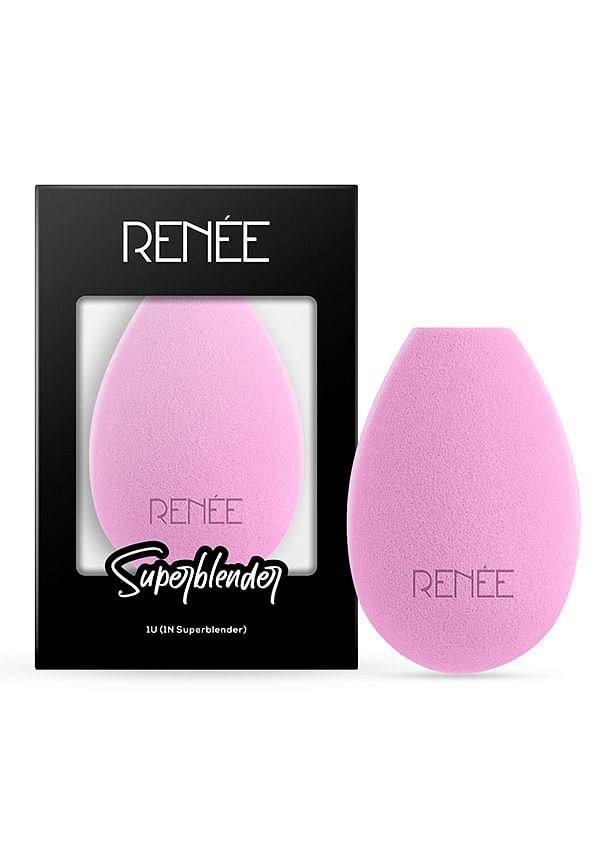
1 PcsMakeup Superblender 1pc, Angled Edge Sponge For Effortless Application
Your skin deserves the best, and that includes choosing cosmetic applicators that won't cause irritation or allergic reactions. Understanding different materials helps you make informed decisions about what touches your face daily.
Natural sea sponges offer a unique texture that some people swear by, but synthetic alternatives have come a long way in recent years. Modern synthetic sponges often provide better consistency and hygiene. Latex-free sponge options have become the standard for good reason. Even if you don't have a known latex allergy, these alternatives often feel softer and more comfortable on the skin. Antimicrobial treatments in some modern sponges help prevent bacteria buildup, extending the life of your tools and keeping your skin healthier.
Sensitive skin considerations should always come first. Look for sponges specifically labelled as hypoallergenic or designed for sensitive skin types. Oily vs. dry skin compatibility affects which sponge materials work best for you. Oily skin might benefit from sponges that don't add extra moisture, whilst dry skin might appreciate sponges that help maintain hydration. Allergy-friendly cosmetic applicators are worth investing in, even if you haven't experienced reactions before. Prevention is always better than dealing with irritation later.
Building the perfect sponge collection doesn't mean buying everything available. It's about understanding your specific needs and choosing tools that genuinely improve your routine. Whether you're just starting out or looking to refine your technique, the right approach makes all the difference.
Multi-purpose sponge recommendations focus on versatility over specialisation. A good quality teardrop-shaped blending sponge can handle foundation, concealer, and cream products effectively. Budget-conscious options don't have to mean compromising on quality. Many affordable makeup sponges perform just as well as expensive alternatives, especially when you're learning basic techniques. Easy maintenance requirements matter when you're building new habits. Choose sponges that clean easily and dry quickly to encourage regular hygiene practices.
Layering different sponge types allows for more sophisticated makeup application. You might use a flat sponge for powder, then switch to a beauty blender for cream blush. Wet blending techniques create that coveted airbrushed finish. The key is finding the right dampness level—too wet and your makeup slides around, too dry and you lose the blending benefits. Professional makeup artist secrets often involve using multiple sponges throughout one application. This prevents colour contamination and ensures each product applies optimally.
Essential vs. optional sponge shapes depend on your makeup routine complexity. Most people need just 2-3 different types to cover all their bases effectively. When to replace different sponge types varies based on usage and material. Generally, daily-use sponges need replacing every 3-4 months, whilst occasional-use ones can last longer. Storage and hygiene best practices extend the life of your tools and protect your skin. Proper drying and clean storage prevent bacteria buildup and material degradation. Smytten's platform makes experimenting with different makeup tools much more accessible. Instead of committing to full-size products immediately, you can try various brands and types through their curated trial packs, helping you discover what works best for your specific needs without the financial risk.
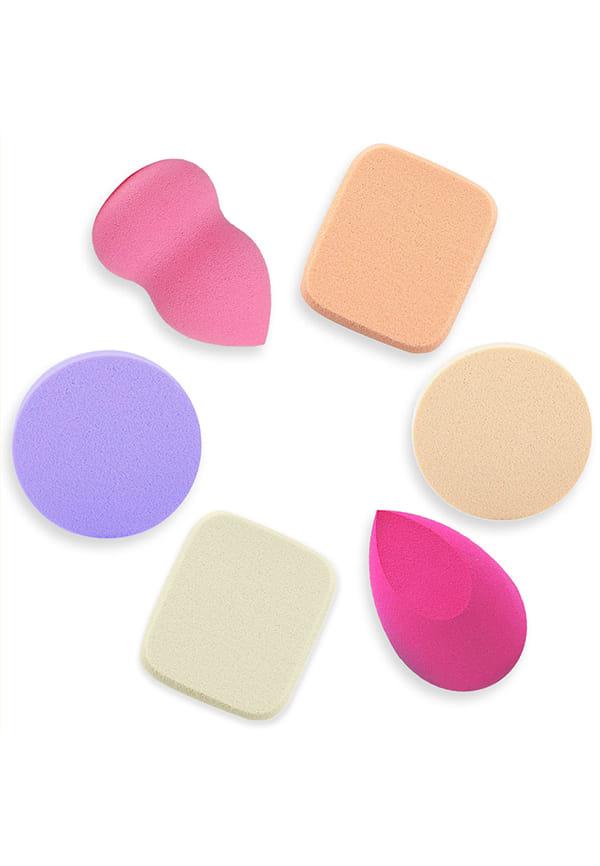 Pack of 6
Beauty Blender Set Makeup Sponge
Most makeup sponges should be replaced every 3-4 months with regular use, or sooner if you notice any tears, persistent odours, or changes in texture. Daily users might need to replace them more frequently.
Whilst it's possible, using separate sponges for different product types prevents colour contamination and ensures optimal application. At minimum, have one for base products and another for colour cosmetics.
Wet application creates a more natural, dewy finish and prevents excessive product absorption. Dry application provides more coverage and a slightly more matte result. The choice depends on your desired finish.
Dampening your sponge before use significantly reduces product absorption. You can also try applying product to the back of your hand first, then picking it up with the sponge for more controlled application.
Gentle cleansers work best—either specialised sponge cleaners or mild soap. Rinse thoroughly and squeeze gently to remove excess water. Never wring or twist, as this can damage the material.
Not always. Many mid-range options perform excellently. Focus on finding sponges that suit your specific needs rather than automatically choosing the most expensive option.
Choosing the right different cosmetic sponge types doesn't have to feel overwhelming once you understand what each brings to your routine. The key is matching your tools to your specific needs, skin type, and makeup goals rather than collecting every option available. Start with one or two versatile makeup tools and build your collection gradually as you discover what works best for you. Remember that the most expensive option isn't always the best—focus on quality, functionality, and how well each sponge integrates into your daily routine. With Smytten's trial platform, you can explore different makeup brands and their accompanying tools without committing to full-size purchases immediately. This approach lets you experiment with various cosmetic applicators and techniques, helping you build a collection that truly enhances your makeup experience. After all, why settle for 'maybe' when you can try it all and find exactly what works for your unique needs?
