7 Pro Tips for Perfect Makeup Sponge Blending


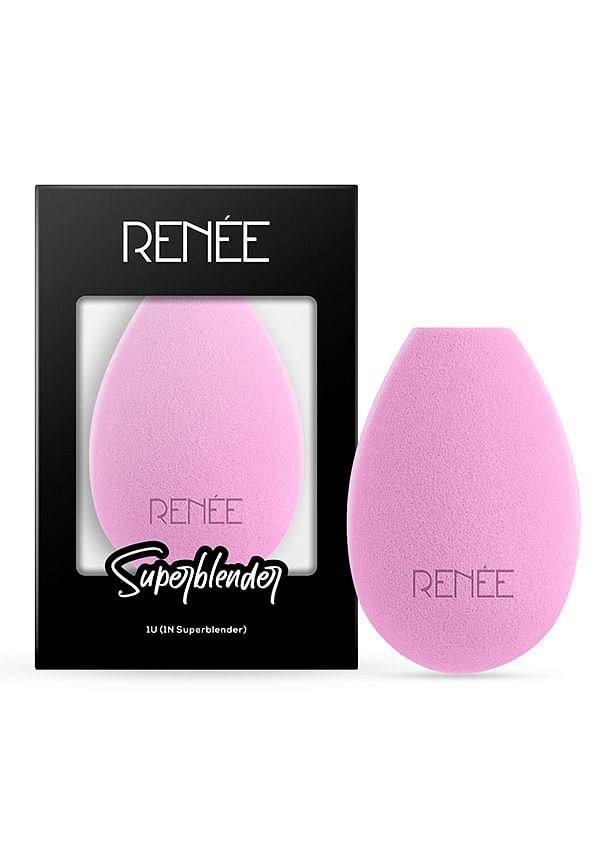 1 Pcs
1 PcsMakeup Superblender 1pc, Angled Edge Sponge For Effortless Application
Let's be real—makeup sponges can either be your best friend or your worst nightmare. You've probably watched countless tutorials where influencers make flawless makeup application look effortless, only to end up with streaky foundation and patchy concealer when you try it yourself. The truth is, most people struggle with sponge application because they're missing a few key techniques that professionals swear by. These tips for sponge application aren't just about bouncing the sponge around your face—there's actual science behind getting that airbrushed finish. Whether you're dealing with a drugstore beauty blender or a high-end version, mastering these seven pro techniques will transform your makeup game completely. Ready to discover why your current routine might be working against you?
Before you even think about touching that sponge to your face, preparation is everything. Think of it like prepping a canvas before painting—skip this step, and your masterpiece won't turn out quite right. The way you prepare your makeup accessories can make or break your entire look, and honestly, most people get this bit completely wrong.
Here's where most people mess up: using a dry sponge. When your sponge is bone dry, it acts like a thirsty little vacuum, sucking up all your expensive foundation instead of blending it onto your skin. The science is pretty straightforward—a damp sponge expands slightly, creating a softer surface that glides rather than grabs. Run your sponge under lukewarm water until it's completely saturated, then squeeze out the excess water. You want it damp, not dripping. The sponge should feel cool and slightly bouncy when you squeeze it. This simple step prevents product waste and gives you that smooth, even coverage you're after.
Not all sponges are created equal, and different shapes serve different purposes in your beauty blender techniques arsenal. The classic teardrop shape isn't just for looks—that pointed tip is perfect for precision work around your nose and under your eyes, whilst the rounded side handles larger areas like your cheeks and forehead. Flat-edged sponges work brilliantly for contouring and creating sharp lines, whilst denser sponges give more coverage. If you're just starting out, stick with a medium-density teardrop shape—it's the most versatile option for your sponge blending guide journey.
Now we're getting to the good stuff. Professional makeup artists have specific techniques that create that flawless, skin-like finish you see on red carpets and magazine covers. The difference between amateur and pro application often comes down to these fundamental movements and timing.
Forget everything you think you know about applying foundation—dragging and wiping motions are your enemy. The bouncing method is where the magic happens for perfect foundation application. Start with a small amount of foundation on the back of your hand or directly on your face in dots. Press the damp sponge into the product and gently bounce it across your skin. Think of it like a gentle tapping motion rather than rubbing. This technique builds coverage gradually without disturbing the layers underneath, giving you that flawless makeup application finish. The key is controlling your pressure—light bounces for sheer coverage, slightly firmer bounces for medium coverage. Never press so hard that the sponge compresses completely.
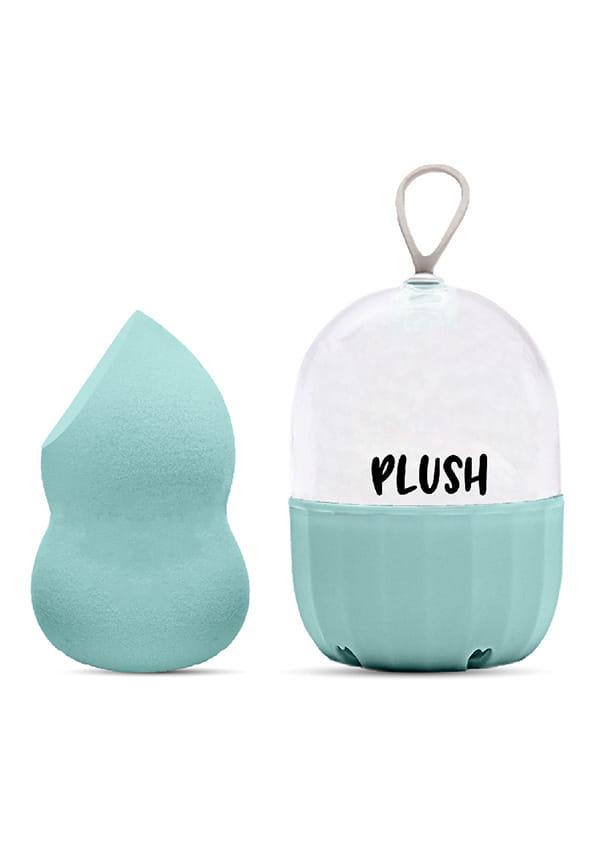 1 Unit
Tiffany Tint Microfiber Beauty Blender with Case-Pear Shape Cut
Your face isn't flat, so your application technique shouldn't be either. This sponge blending guide approach means using different parts of your sponge for different facial areas. Use the pointed tip for tight spaces around your nose, inner corners of your eyes, and along your hairline. The rounded side works perfectly for your cheeks, forehead, and chin. For your jawline, angle the sponge to follow the natural curve of your face, blending downward to avoid harsh lines.
Concealer application with sponges requires a completely different approach than foundation. You're dealing with thicker formulas and specific problem areas that need targeted coverage. Getting this right can make the difference between looking naturally flawless and obviously made-up.
For spot concealing, the pointed tip of your sponge becomes your best friend. Dab a tiny amount of concealer directly onto blemishes, then use gentle pressing motions with the tip to blend the edges. Don't bounce here—you'll move the product away from where you need it most. For under-eye concealer application, apply concealer in an inverted triangle shape, then use the flat side of your sponge to gently press and blend outward. This technique brightens your entire eye area whilst covering dark circles. The various makeup sponge uses really shine when you match the right technique to the right area.
Here's something most tutorials skip: proper sponge care. A dirty sponge isn't just gross—it can cause breakouts, uneven application, and will need replacing way sooner than necessary. Plus, bacteria buildup in makeup accessories is a real concern for your skin health.
Cosmetic sponge cleaning doesn't have to be complicated, but it does need to be consistent. After each use, rinse your sponge with lukewarm water and a drop of gentle cleanser. Squeeze gently until the water runs clear. For deep cleaning, do this weekly: soak your sponge in warm, soapy water for a few minutes, then gently massage it to release trapped makeup. Rinse thoroughly and squeeze out excess water. Never wring or twist your sponge—this can damage its structure.
Proper storage prevents bacteria growth and maintains your sponge's shape. Always let your sponge air dry completely before storing it. A damp sponge in a closed container is basically a bacteria breeding ground. Store your clean, dry sponge in a ventilated area. Some people use mesh bags or even leave them on a clean towel. For travel, make sure your sponge is completely dry and store it in a breathable pouch.
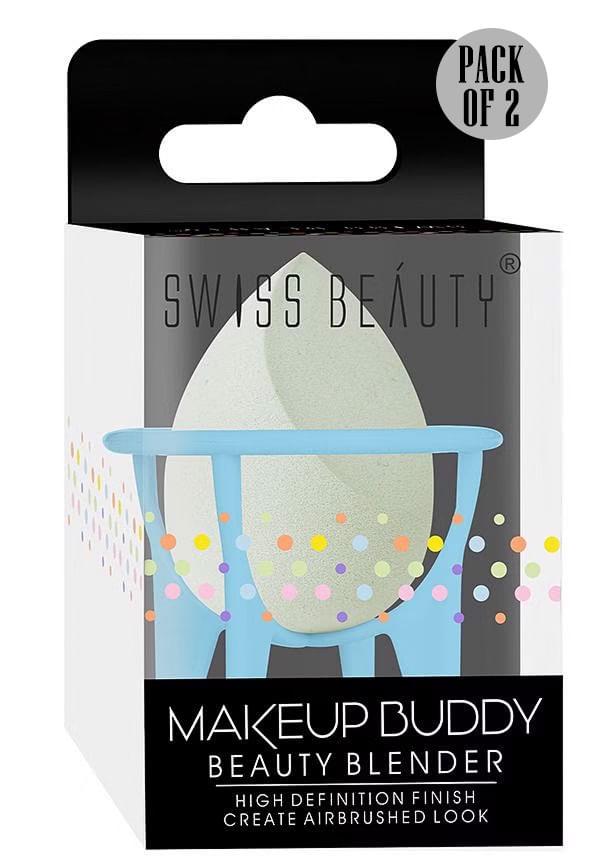 2 Units
Makeup Buddy Beauty Blender
Even with the best intentions, things can go wrong. The good news is that most sponge application problems have simple fixes once you know what to look for. These makeup sponge tips will help you identify and solve the most common issues.
Streaky foundation usually means one of three things: your sponge is too dry, you're using dragging motions instead of bouncing, or your foundation and primer aren't playing nicely together. This sponge makeup tutorial fix is straightforward. If you notice streaks while applying, stop and re-dampen your sponge slightly. Go back over the streaky areas with gentle bouncing motions. Sometimes, misting your face lightly with setting spray before blending can help everything meld together beautifully.
The secret to full coverage that still looks natural is building in thin layers. Apply your foundation in sections, blending each area completely before moving to the next. This prevents product buildup and gives you control over the final result. If things start looking cakey, use a clean, slightly damp sponge to gently bounce over the area. This picks up excess product whilst maintaining coverage.
Once you've mastered the fundamentals, your makeup sponge becomes a versatile tool for creating more advanced looks. These techniques take your beauty blender techniques to the next level and open up creative possibilities you might not have considered.
Sponges aren't just for foundation—they're brilliant for blending cream contour and highlight products. Use the flat edge of your sponge to apply contour in precise lines, then switch to bouncing motions to blend the edges seamlessly. For highlighting, the pointed tip gives you control over placement, whilst the rounded side blends everything into your skin naturally. This creates that lit-from-within glow that looks effortless.
For photography or special events, your flawless makeup application needs to be next level. Use your sponge to apply setting powder in a pressing motion rather than sweeping. This locks everything in place without disturbing the layers underneath. You can also use a damp sponge to apply cream blush or even eyeshadow for a more intense, editorial look. The key is adjusting your pressure and technique based on the product you're working with. Smytten's platform makes experimenting with different makeup techniques more accessible than ever. With trial packs from trusted brands, you can discover which foundations, concealers, and tools work best with your sponge application techniques without committing to full-size products. This approach lets you perfect your skills with various formulas and find your ideal makeup routine.
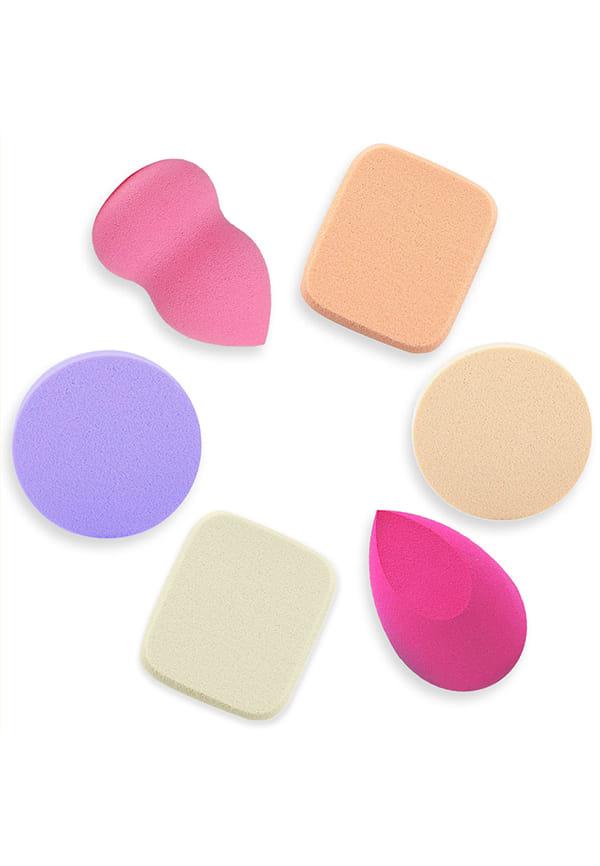 Pack of 6
Beauty Blender Set Makeup Sponge
Absolutely. A damp sponge prevents product absorption and creates smoother application. Always squeeze out excess water so it's damp, not dripping.
With proper care, a good quality sponge lasts 3-4 months. Replace it sooner if you notice tears, persistent odours, or if it's not bouncing back to its original shape.
Yes, but clean it between products or use different areas of the sponge. This prevents colour mixing and maintains the integrity of each product.
This usually happens when the sponge is too dry, you're using dragging motions, or there's a compatibility issue between your primer and foundation. Try re-dampening your sponge and using bouncing motions instead.
Higher-end sponges often have better texture, durability, and shape retention. However, many drugstore options perform excellently—it's more about finding the right density and shape for your needs.
Mastering these seven pro techniques transforms your makeup routine from frustrating to flawless. Remember, the key to perfect sponge application lies in preparation, proper technique, and consistent care. Start with a damp sponge, use bouncing motions instead of dragging, and build coverage gradually for the most natural-looking results. The beauty of makeup is that it's all about experimentation and finding what works for your unique skin and preferences. With platforms like Smytten, you can try different foundations, concealers, and makeup accessories through curated trial packs, making it easier to perfect your technique without the commitment of full-size purchases. After all, why settle for 'maybe' when you can try it all and discover your perfect makeup routine?
