7 Pro Tips for Flawless Foundation Application
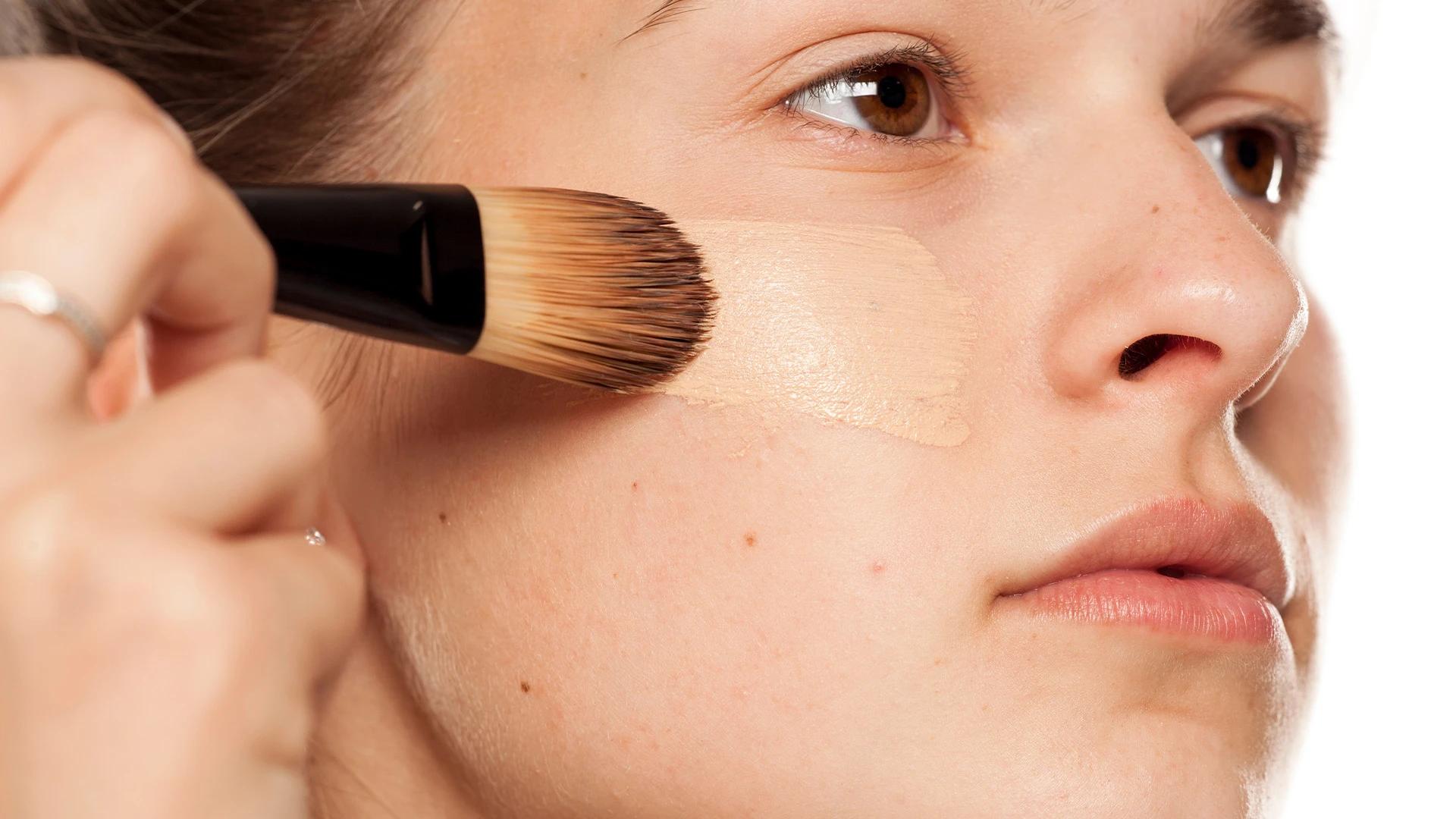

Ever wondered why your foundation looks amazing in the mirror but completely different in photos? You're not alone. Most of us have been there—spending ages on face makeup only to end up with streaky, cakey, or patchy results. The thing is, knowing how to apply foundation properly isn't just about slapping it on and hoping for the best. It's about understanding your skin, choosing the right tools, and mastering a few key techniques that make all the difference. Whether you're a complete beginner or someone who's been doing their makeup for years, these seven pro tips will help you achieve that flawless foundation finish you've been after. Let's dive into the foundation application techniques that actually work.
Here's the thing about foundation—it's only as good as the canvas you're working with. Think of your skin prep as the foundation for your foundation (see what we did there?). This step is absolutely crucial and honestly, it's where most people go wrong.
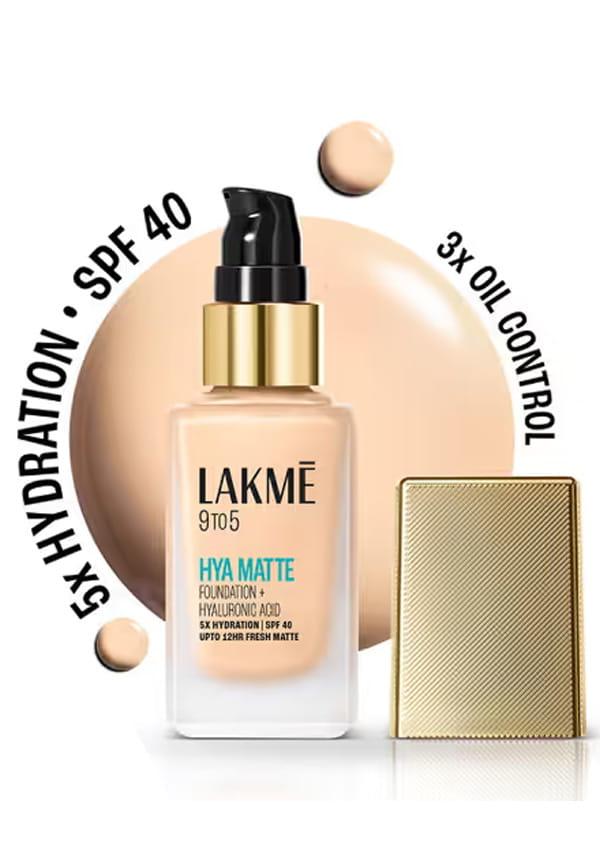 25 ml
25 mlHya Matte Foundation + Hyaluronic Acid
Your skin needs three things before any foundation makeup touches your face: Cleanse: Remove any leftover skincare products, oils, or makeup residue. Even if you cleansed the night before, a quick splash of water or gentle cleanser helps create a fresh base. Moisturise: This is non-negotiable, even for oily skin types. A good moisturiser creates that smooth canvas that makes foundation application techniques so much easier. It prevents your foundation from clinging to dry patches or looking patchy. Prime: A primer isn't just marketing fluff—it genuinely helps your foundation last longer and apply more smoothly. Choose one that suits your skin type and concerns.
Not all skin is created equal, and your prep routine should reflect that. If you have dry skin, focus on hydrating products and maybe add a facial oil before your moisturiser. For oily skin, opt for a mattifying primer that controls shine. Combination skin? Use different products on different areas of your face—it's totally fine to mix and match.
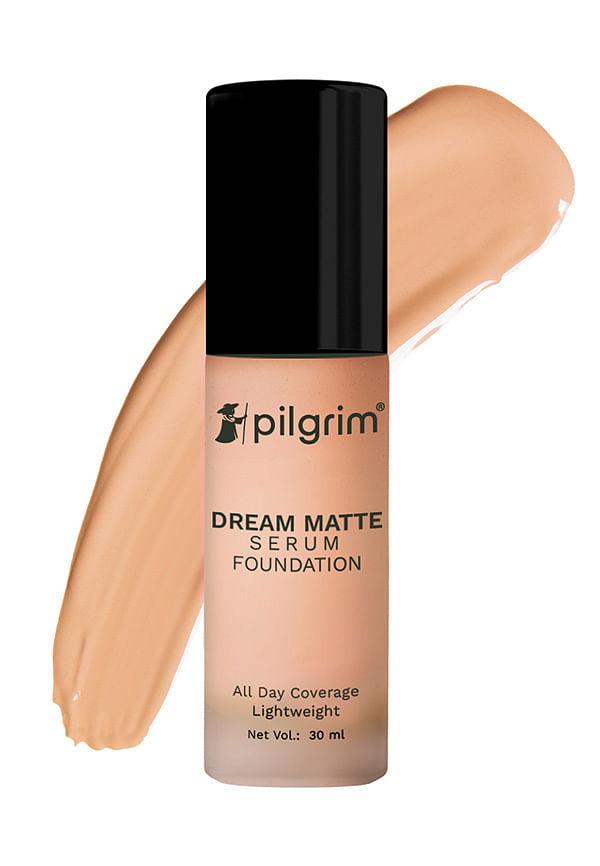 30 ml
30 mlSerum Foundation
The tool you use to apply foundation can completely change your final look. It's not just about personal preference—different tools give different finishes, and understanding this is key to mastering how to apply foundation like a pro.
Let's break down the holy trinity of foundation application: Damp makeup sponge: This is your go-to for a natural, skin-like finish. The key word here is 'damp'—a dry sponge will absorb too much product and give you streaky coverage. Bounce the sponge on your skin rather than dragging it. Dense foundation brush: Perfect when you want more coverage or have specific areas that need extra attention. Use circular, buffing motions to blend the product into your skin. This method gives you more control over coverage. Fingers: Don't underestimate this method, especially for foundation beginners. The warmth from your fingers helps blend the product naturally, and it's the quickest application method when you're in a rush.
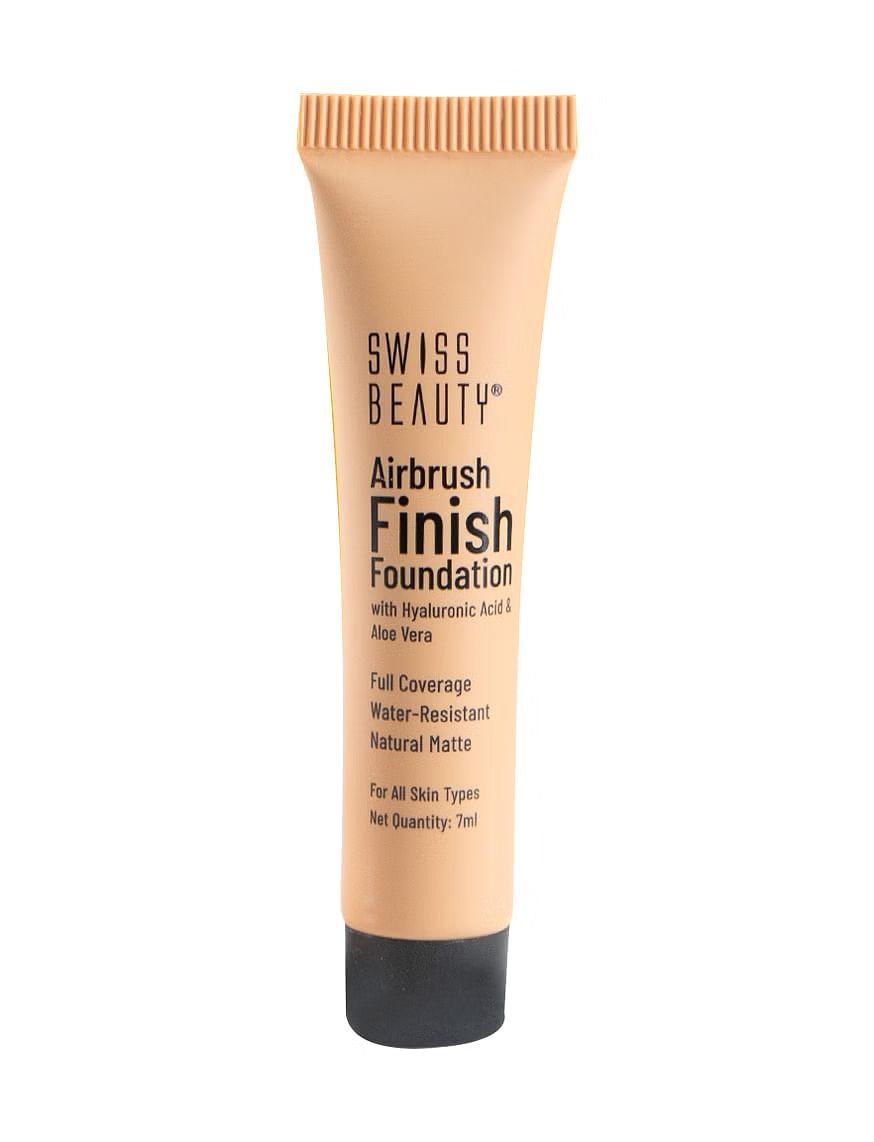 7 ml
7 mlAirbrush Finish Foundation
Each tool requires a slightly different technique. With a foundation brush, use small circular motions and build coverage gradually. For makeup sponges, stick to bouncing and stippling motions—never drag or swipe. When using your fingers, warm the product between your palms first, then pat and blend outward from the centre of your face.
Where you place your foundation initially makes a huge difference to the final result. This is one of those foundation application techniques that separates the pros from the amateurs.
 30 ml
30 mlVery Me Liquid Foundation
Start by dotting foundation on the central areas of your face—forehead, nose, cheeks, and chin. These are typically the areas that need the most coverage anyway. From there, blend outward toward your hairline and jawline. This method ensures you get the most coverage where you need it and creates a natural gradient. The best way to apply foundation is to think of it like painting a picture—you wouldn't start with the edges, would you? By beginning in the centre and working outward, you create a more natural, seamless finish.
Here's a pro tip: it's always easier to add more coverage than to remove excess product. Start with a thin layer and build up gradually in areas that need it. This prevents that cakey, mask-like appearance that screams 'I'm wearing too much makeup.'
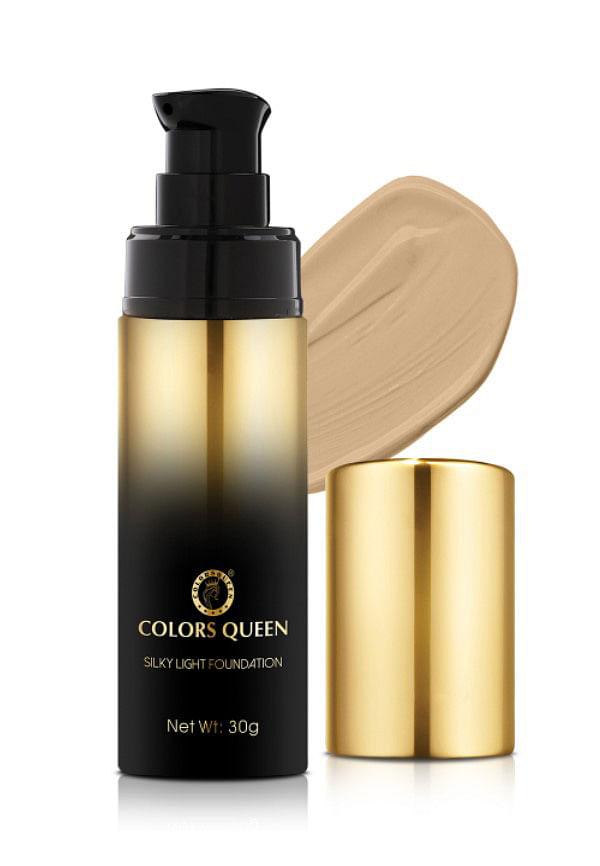 30 gm
30 gmSilky Light Waterproof Foundation
Blending is where the magic happens. You can have the perfect shade match and the right tools, but if your blending game is off, your foundation will never look professional.
First rule: dab, don't drag. Dragging foundation across your skin can create streaks and disturb any skincare products underneath. Instead, use gentle dabbing or stippling motions to blend the product seamlessly. Second rule: blend beyond your face. Don't stop at your jawline—blend down onto your neck slightly to avoid that obvious foundation line. Same goes for your hairline and around your ears.
 1 unit
Foundation Brush (EV-01)
Over-blending is a real thing. If you keep working the same area, you'll end up removing the foundation you just applied. Learn to recognise when an area is blended enough and move on. Also, watch out for streaking—this usually happens when your tools are too dry or you're using too much pressure.
Applying foundation is only half the battle. Setting it properly ensures your hard work lasts all day and looks fresh from morning to night.
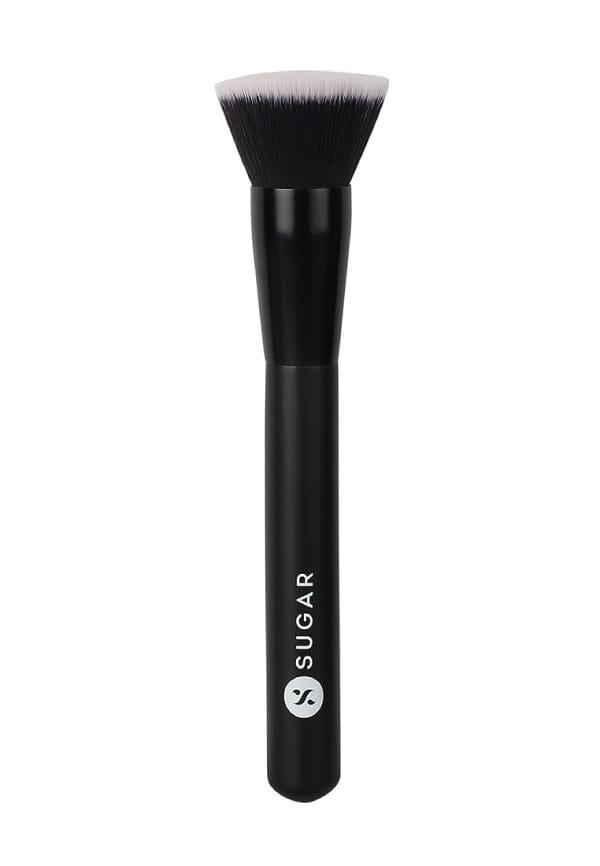 1 Unit
Blend Trend Foundation Brush - 052 Kabuki
A light dusting of translucent powder in your T-zone (forehead, nose, chin) helps control shine and sets your foundation. Use a fluffy brush and tap off excess powder before applying. The goal is to set, not cake. For areas that tend to get oily, you can use a slightly heavier hand, but for the rest of your face, less is definitely more.
Here's something many people get wrong—concealer should come after foundation, not before. Your foundation might already cover some imperfections, so you'll need less concealer overall. Apply concealer only where needed and blend the edges seamlessly into your foundation.
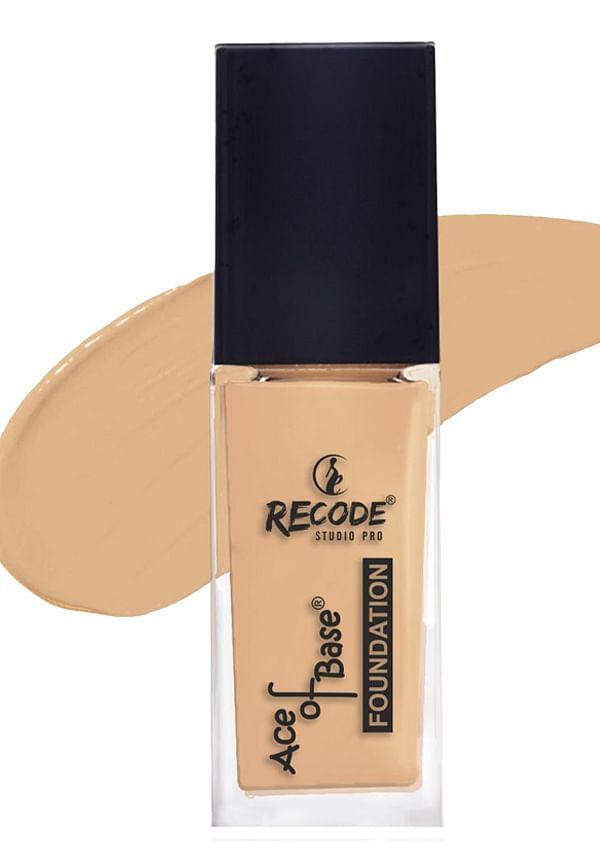 30 ml
30 mlAce of Base Foundation
Even with the best intentions and techniques, sometimes things go wrong. Knowing how to fix common issues can save your makeup look and your sanity.
Patchy foundation usually means your skin wasn't prepped properly or you didn't blend thoroughly enough. If this happens, don't start over—just add a tiny bit more moisturiser to your makeup sponge and gently blend over the patchy areas. Oxidation (when your foundation changes colour throughout the day) is often due to the foundation reacting with your skin's natural oils. This is why testing foundation in natural light and giving it time to settle is so important.
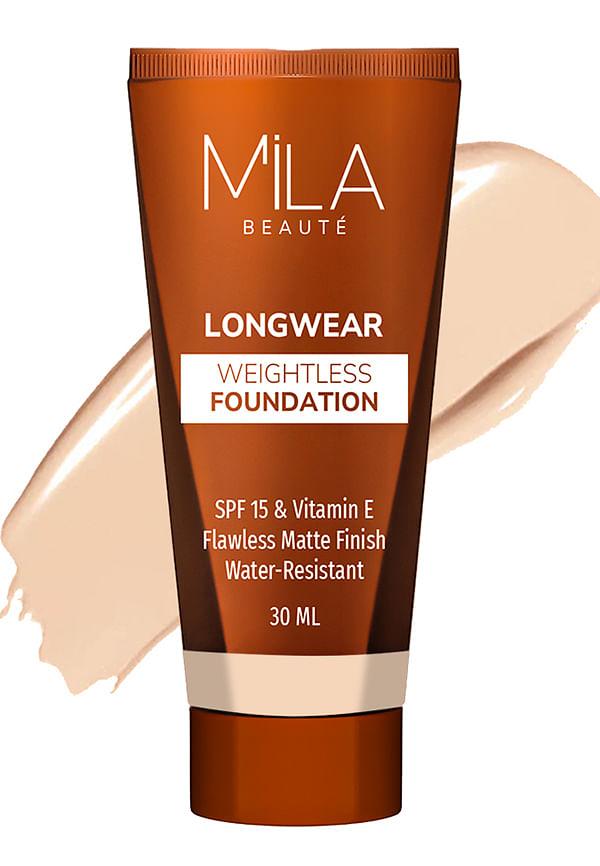 30 ml
30 mlLongwear Weightless Foundation Matte Finish SPF15
Liquid foundations are the most versatile and work well for most skin types. They're perfect for foundation beginners because they're forgiving and easy to blend. Powder foundations work well for oily skin or when you want lighter coverage. Cream foundations offer full coverage but require more skill to blend properly.
Always start with clean skin, then apply moisturiser and primer. This creates the perfect base for smooth foundation application and helps your makeup last longer.
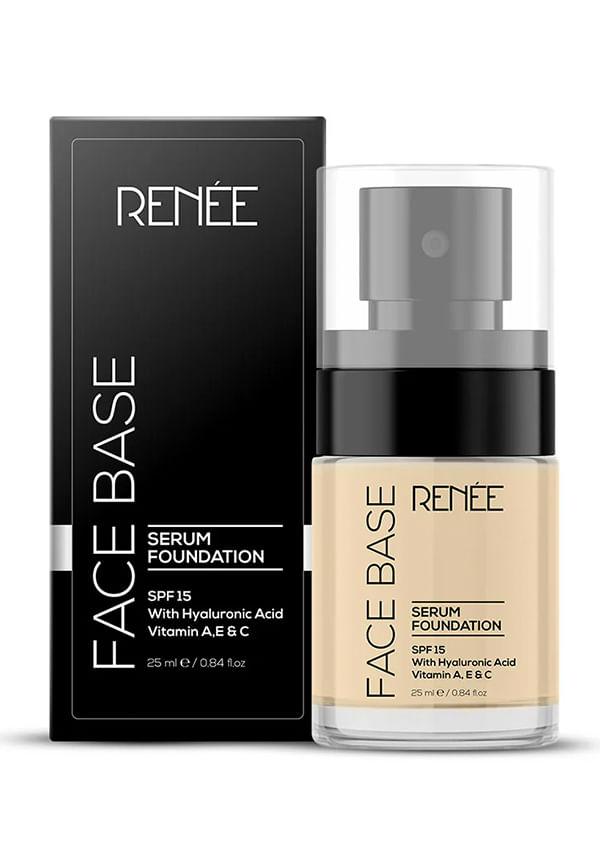 20 Ml
20 MlFace base Serum Foundation
It depends on the finish you want. A damp makeup sponge gives a more natural, skin-like finish, while a foundation brush provides more coverage and precision. Both are valid—choose based on your preference and the look you're going for.
Test foundation on your jawline in natural light, not on your hand or wrist. The right shade should disappear into your skin. When in doubt, go slightly lighter rather than darker.
Absolutely! Mixing foundations is a great way to customise coverage, finish, or even create the perfect shade match. Just make sure the formulas are compatible.
Start with less than you think you need—about a pump for liquid foundation or a small dollop for cream. You can always add more, but removing excess is much harder.
Mastering how to apply foundation is honestly one of those skills that gets better with practice. Don't expect to nail it on the first try—even makeup artists had to learn these techniques over time. The key is understanding your skin, choosing the right tools, and being patient with the process. Remember, the goal isn't to completely transform your face but to enhance your natural beauty and create a smooth, even base for the rest of your face makeup. Whether you prefer a natural, barely-there look or full glam coverage, these foundation application techniques will help you achieve flawless foundation every time. If you're still figuring out which products work best for your skin, platforms like Smytten make it easy to try different foundation formulas without committing to full-size products. With trial packs from trusted brands, you can experiment with various types of foundation and find your perfect match. After all, why settle for 'maybe' when you can try it all and find what truly works for your skin?
