7 Pro Tips for Choosing the Perfect Powder Brush

 1 Unit
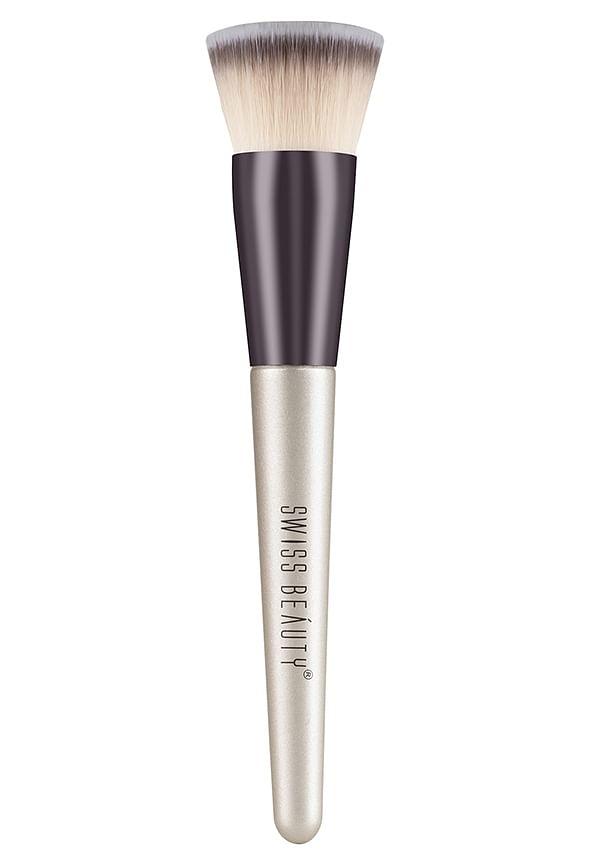
Powder Brush Foundation Blender Brush
Let's be real—your powder brush can make or break your entire makeup look. You might have the perfect foundation and the dreamiest setting powder, but if you're using the wrong brush, you're basically sabotaging yourself. The right powder brush transforms your routine from messy to flawless, whilst the wrong one leaves you looking cakey or patchy. Whether you're a complete beginner or someone who's been struggling with powder application, choosing the right powder brush doesn't have to feel overwhelming. We're breaking down seven pro tips that'll help you find your perfect match and finally nail that airbrushed finish you've been chasing.
Before diving into our pro tips, let's chat about the different powder brush types available. Think of this as your makeup brush guide foundation—understanding what each brush does helps you make smarter choices for your specific needs.
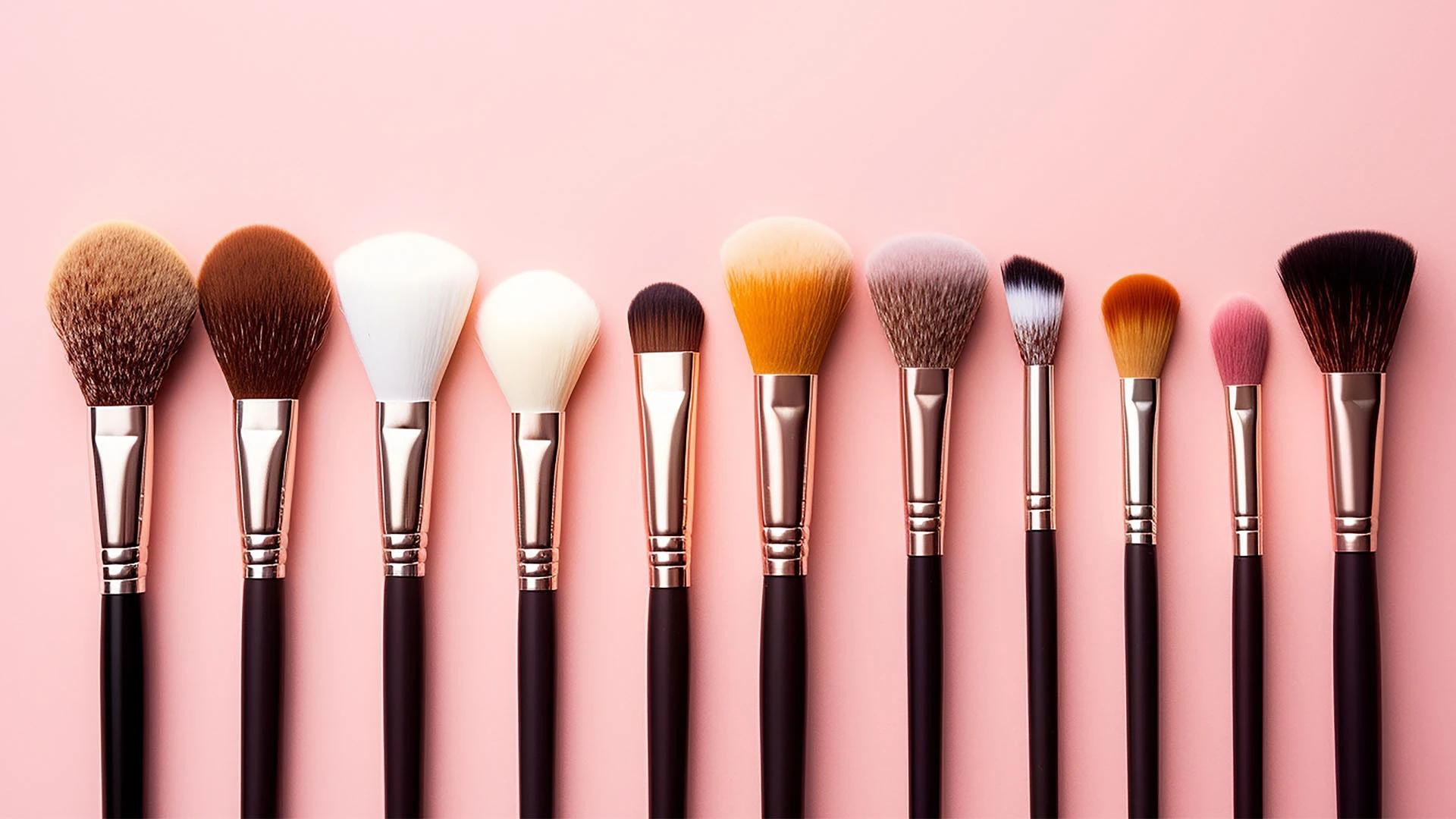
These fluffy, dome-shaped beauties are your go-to for all-over face setting. The cone shape picks up just the right amount of loose powder and distributes it evenly across your face. Perfect for that final dusting that locks everything in place.
When you need control, flat brushes deliver. They're brilliant for targeted powder application, especially under your eyes where you want to set concealer without disturbing the rest of your makeup.
The angled edge makes these brushes incredibly versatile. Use them for setting powder along your cheekbones or blending out harsh lines. They're also fantastic for applying blush or highlighter with precision.
These delicate brushes are perfect for removing excess powder or adding a whisper of highlighter. The fan shape ensures you never apply too much product at once.
Size absolutely matters when it comes to powder brushes. Think about where and how you'll be using your brush most often. Large brushes work brilliantly for full-face powder coverage—they're efficient and give you that smooth, even finish quickly. Medium brushes are your sweet spot for targeted setting areas like your T-zone or under-eye region. Small brushes are essential for precision work, especially when you're setting concealer or working around delicate areas like your nose or inner corners.
 1 unit
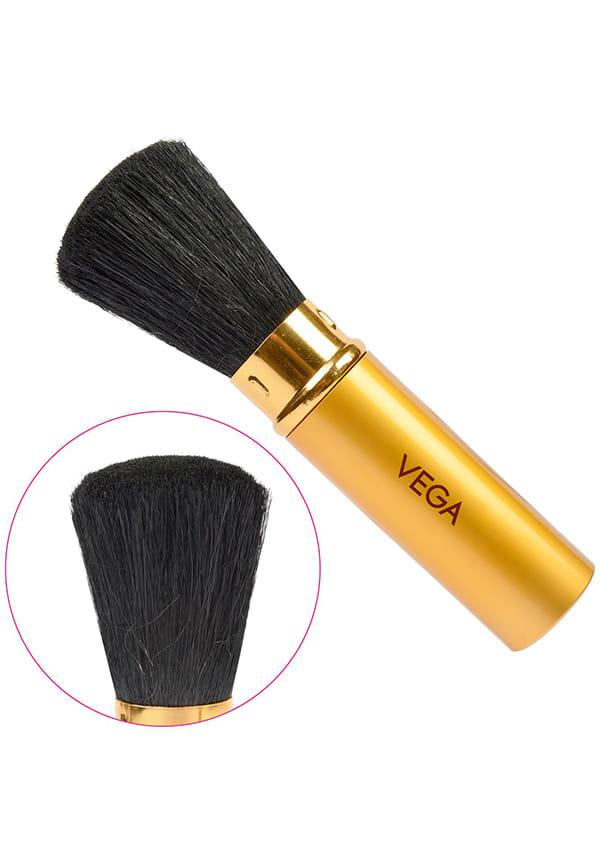
Rectractable Powder Brush (EV-20RT)
Consider your face size too. If you have a smaller face, a massive brush might feel overwhelming and make it harder to control where the powder goes. Conversely, if you have a larger face, tiny brushes will take forever to achieve full coverage.
The bristle material can completely change how your powder applies and blends. This is where understanding your powder formulation becomes crucial for achieving the best results.
Natural bristles, typically made from animal hair, excel at picking up and distributing powder products. They have tiny scales that grab onto powder particles, making them incredibly effective for loose powder application. Synthetic bristles, made from man-made fibres, are more hygienic and easier to clean, plus they're cruelty-free.
Dense brushes pack more bristles into the ferrule, making them perfect for building coverage with pressed powders or when you want more intensity. Fluffy, less dense brushes are ideal for light application and work beautifully with loose powders for that natural, barely-there finish.
The shape of your brush head determines how the powder distributes across your skin. Round dome shapes are fantastic for even distribution—they naturally follow the contours of your face and blend seamlessly. Tapered shapes give you more precision, making them perfect for setting specific areas or working around the nose and eye area.
Flat shapes are brilliant for building coverage gradually. They press the powder into your skin rather than just dusting it on top, which is particularly useful when you're using a setting powder brush or working with pressed powder foundation.
Don't overlook the handle—it affects your control and comfort during application. Professional-length handles give you better leverage and control, especially when working on your entire face. They also keep your hand further from your face, reducing the chance of accidentally smudging your makeup.
Travel-friendly shorter handles are convenient for touch-ups and fit better in makeup bags, but they might feel less balanced during application. Consider how you'll primarily use the brush and choose accordingly.
 1 unit
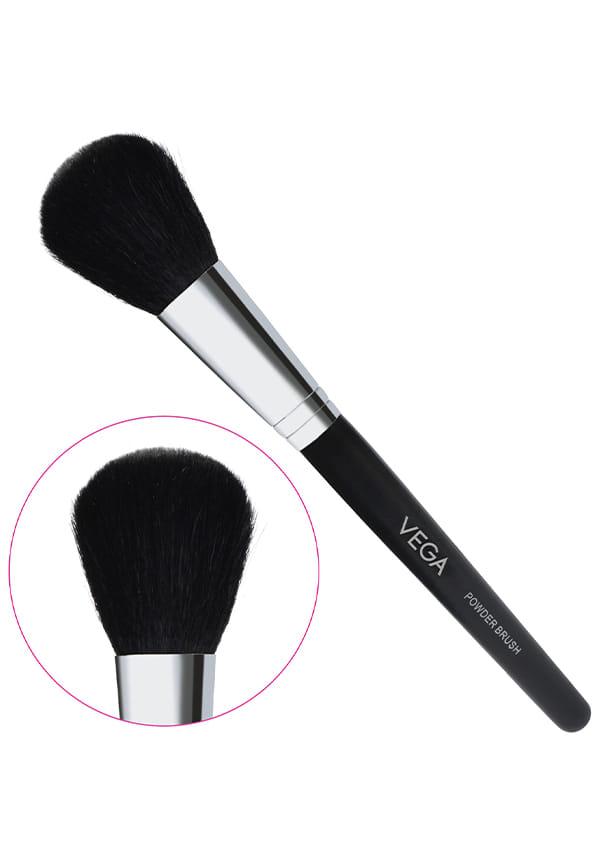
Powder Brush (PB-09)
Quality indicators help you spot brushes that'll last and perform well. Check the ferrule—that metal band connecting the bristles to the handle. It should feel secure and show no gaps or loose connections. Give the brush a gentle shake; minimal shedding is normal, but excessive bristle loss indicates poor construction.
The bristles should feel soft against your skin without being scratchy or rough. High-quality brushes maintain their shape after washing and don't develop bald spots or become misshapen over time.
If you're new to powder application, certain brush characteristics make the learning process much easier. Look for forgiving shapes that don't require precise technique—fluffy, dome-shaped brushes are particularly beginner-friendly because they naturally blend and diffuse powder.
Multi-purpose functionality is brilliant for beginners who don't want to invest in multiple brushes immediately. A good face brush can handle setting powder, light foundation application, and even blush. Easy maintenance is also crucial—brushes that clean easily and dry quickly make your routine more manageable.
Different powder formulations work best with specific brush types. Understanding these relationships helps you choose brushes that maximise your products' performance.
For translucent setting powders, you want a fluffy brush that applies a light, even layer. Under-eye setting requires more precision, so consider a smaller, denser brush that won't disturb your concealer underneath.
Pressed powder foundation needs a denser brush that can pick up and deposit more product. Look for brushes specifically designed for powder foundation—they typically have shorter, more compact bristles that build coverage effectively without looking cakey.
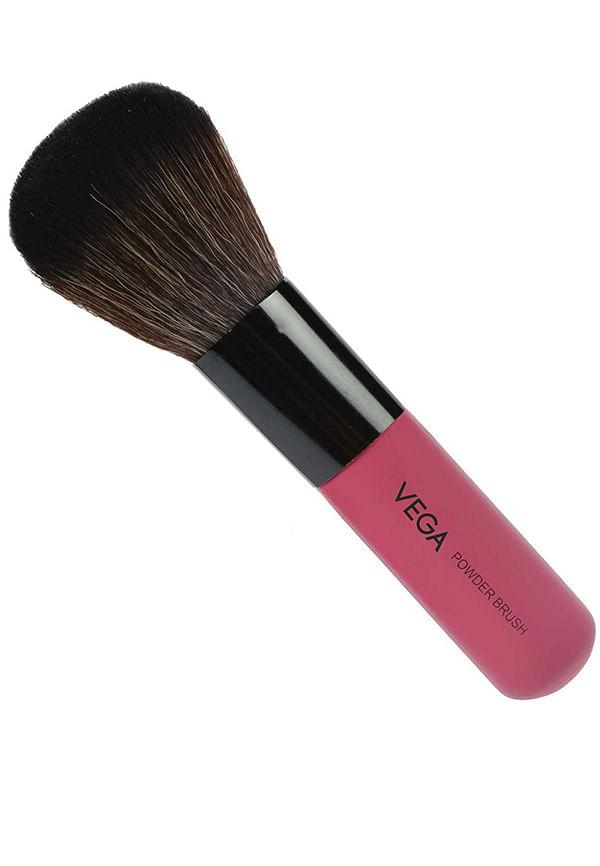 1 unit
Powder Brush - Small (MBP-09)
For final touch-ups and finishing powders, you want something that applies the lightest possible layer. Fan brushes or very fluffy dome brushes work perfectly for this final step in your routine.
When exploring different makeup accessories and tools, platforms like Smytten make it easier to discover what works for your specific needs. With access to trial-sized products from trusted brands, you can experiment with different powder formulations and find the perfect brush-and-powder combinations without committing to full-size purchases.
For oily skin, opt for denser brushes that can handle more product and provide better oil control. Dry skin benefits from fluffy brushes that apply powder lightly without emphasising texture. Sensitive skin should stick to soft, synthetic bristles that won't cause irritation.
Loose powders work beautifully with fluffy, natural bristle brushes. Pressed powders need denser brushes with more structure. Setting powders require light, airy brushes, whilst finishing powders work best with fan brushes or very soft dome shapes.
With proper care, a quality powder brush can last 2-3 years. Replace it when bristles start shedding excessively, lose their shape, or become scratchy. Regular cleaning extends brush life significantly.
Setting powder brushes are typically denser and designed to lock makeup in place with more coverage. Finishing powder brushes are lighter and fluffier, meant to add a final polish without disturbing underlying makeup.
Whilst possible, it's better to have dedicated brushes for different formulations. Cross-contamination can affect colour payoff and application. At minimum, clean your brush between different powder types.
Choosing the right powder brush doesn't have to be complicated when you know what to look for. Focus on matching the brush size and density to your application needs, consider your powder formulations, and don't forget about comfort and quality construction. Remember, the best powder brush is the one that feels right in your hand and gives you the finish you're after.
Whether you're just starting your makeup journey or looking to upgrade your current tools, take time to understand your specific needs before investing. The right brush transforms your powder application from frustrating to flawless, making it worth the effort to find your perfect match. After all, why settle for 'maybe' when you can try different options and find exactly what works for you?
