7 Pro Tips: Beauty Blender vs Brush Battle

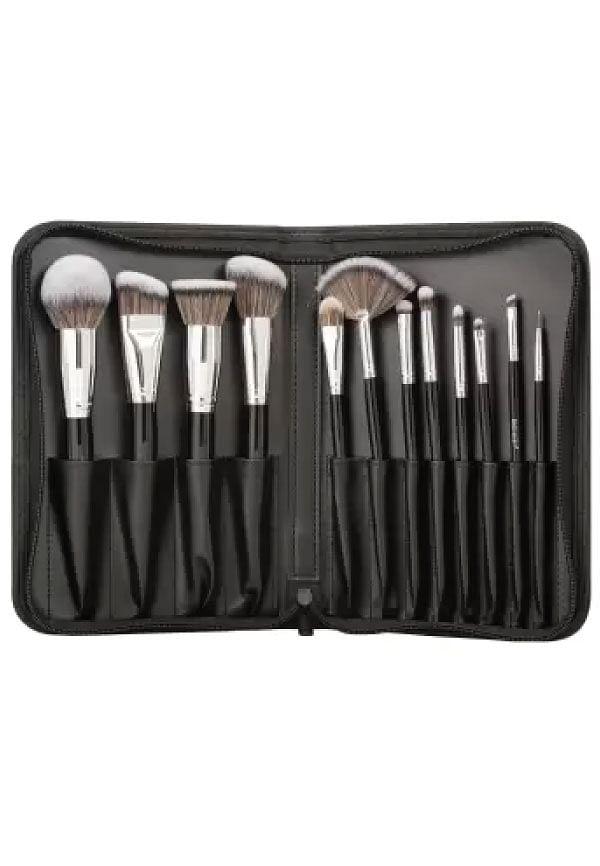 12 Pieces
Professional Makeup Brush Set
The beauty blender vs brush debate has been raging in makeup circles for years, and honestly, it's time we settled this once and for all. Whether you're team sponge or team brush, the truth is both beauty tools have their place in your makeup routine. The key is knowing when to use which one for that perfect, flawless makeup finish you're after. Let's dive into seven pro tips that'll help you master both tools and figure out which one deserves a permanent spot in your makeup bag.
Real talk—this isn't just about picking sides. It's about understanding what each makeup applicator brings to the table and how they can transform your foundation application game. Studies show that 73% of professional makeup artists actually use both tools for different purposes, which tells us something important: there's no one-size-fits-all answer.
The beauty blender revolutionised how we think about makeup sponges, whilst brushes have been the go-to choice for decades. Each offers unique benefits for achieving that coveted airbrush effect, but the secret lies in knowing which situations call for which tool. These seven pro tips will help you navigate the sponge vs brush dilemma like a total pro.
The finish you're after should be your first consideration when choosing between these beauty accessories. Different tools create completely different looks, and understanding this is crucial for flawless makeup application.
A makeup sponge delivers that natural, dewy, skin-like finish that's perfect for everyday wear. It creates sheer to medium coverage with a soft-focus effect that makes your skin look like it's naturally perfect. This is your go-to for achieving that "no-makeup makeup" look that's been trending everywhere. The stippling technique with a damp beauty blender creates an airbrush effect that's subtle and natural.
Foundation application with a brush gives you full coverage potential and that precise, airbrushed, perfected finish. It's buildable coverage that can go from natural to full glam, making it perfect for special occasions or when you need your makeup to look absolutely flawless. Professional makeup artists often reach for brushes when they need that polished, editorial finish.
Your skin type plays a massive role in determining which makeup applicator will work best for you. What works brilliantly on dry skin might not be the best choice for oily skin, and vice versa.
A beauty blender is often the winner here because it adds moisture when used damp. The gentle stippling motion prevents irritation that can come from brush bristles, and it fills in pores whilst creating a hydrating base. The makeup blending technique with a sponge doesn't create harsh friction against sensitive skin, making it much more comfortable to use.
Makeup brushes tend to work better for oily skin because they don't add extra moisture to your base. They offer better oil control and longevity, plus you get precise application for problem areas. These beauty tools work with your skin's natural sebum production rather than against it, helping your makeup last longer throughout the day.
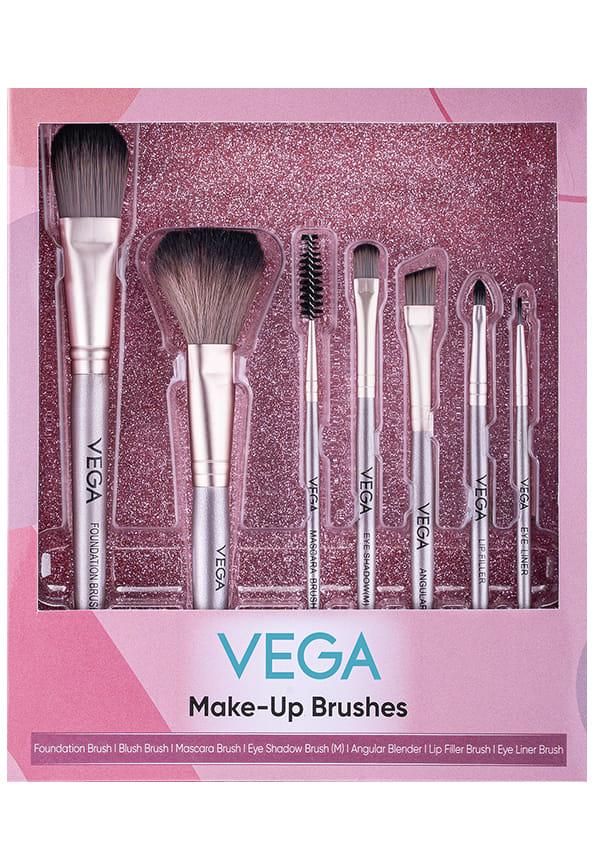 pack of 1
Make-up Brush Set of 7 for Women
Not all foundations play nicely with every applicator. Understanding which formulas work best with which tools can make or break your makeup look.
Liquid foundations and BB creams are where makeup sponges truly shine. They're also brilliant for cream concealers and blushes, and surprisingly effective with pressed powders when used dry. These makeup accessories are specifically designed to work with cream and liquid formulas, helping them blend seamlessly into your skin.
Brushes are the ultimate versatile tool—they work with literally all formula types, from liquid to cream to powder. They're particularly excellent for powder foundations and setting powders, and offer precise concealer application that's hard to beat. When it comes to being the best makeup applicator for versatility, brushes take the crown.
How you use your chosen tool is just as important as which tool you pick. The wrong technique can make even the best beauty tools perform poorly.
Never, ever use a makeup sponge dry—always dampen it first. The key technique is stippling or bouncing motions only; no dragging or wiping. Work in thin layers to build up coverage gradually. This sponge vs brush technique comparison shows that sponges require a completely different approach to achieve that perfect finish.
Foundation application with brushes involves buffing, sweeping, and stippling motions depending on what you're trying to achieve. Build coverage gradually rather than applying too much at once, and use directional application techniques for seamless blending. The precision you get with brush application is unmatched when done correctly.
Let's talk about the practical side—how much product you'll use and how much these beauty accessories will cost you in the long run.
Makeup sponges absorb about 15-20% more product than brushes, which means you'll go through foundation faster. They also need replacing every 3-4 months, making them a higher long-term cost. The maintenance requirements for a makeup sponge are also more demanding, requiring daily cleaning and frequent replacement.
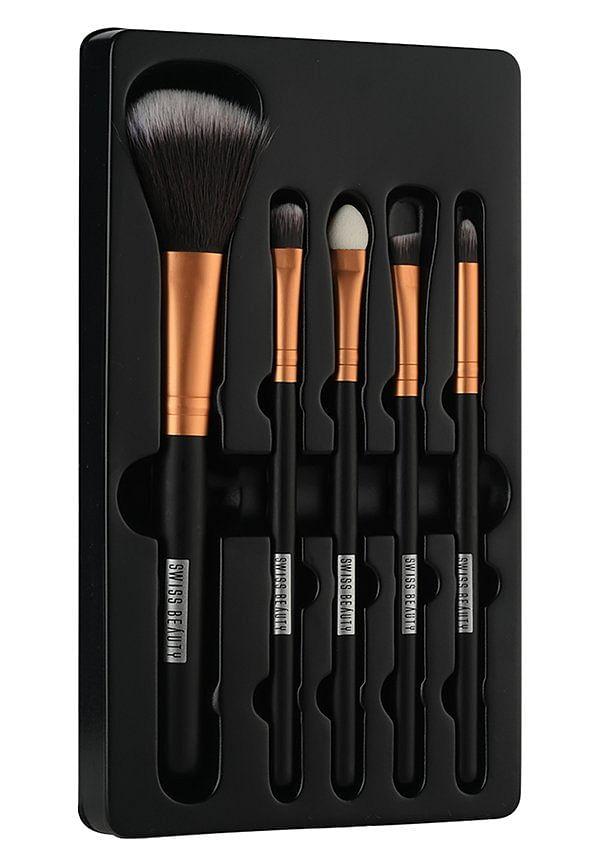 5 Pieces
Makeup Brushes Set
Brushes absorb minimal product, so your foundation will last longer. A good quality brush can last years with proper care, making it more of a one-time investment. When comparing beauty tools for longevity, brushes are definitely the more economical choice in the long run.
This is where things get really important for your skin health. Poor hygiene with makeup applicators can lead to breakouts and skin irritation.
Makeup brushes need weekly deep cleaning and daily spot cleaning if you're using them regularly. Beauty blenders require daily cleaning and frequent replacement to maintain hygiene standards. The cleaning process for each is quite different, with brushes being easier to thoroughly sanitise.
Brushes can be properly cleaned with specialised solutions and techniques, whilst sponges are more prone to bacterial growth due to their porous nature. Proper storage is crucial for both, but brushes have a significant advantage when it comes to long-term hygiene maintenance.
Here's where things get interesting—you don't actually have to choose just one. Many professionals use both tools in their routine for different purposes.
The pro approach often involves base application with a brush for coverage and precision, followed by makeup blending with a sponge to soften and perfect the finish. This targeted coverage technique gives you the best of both worlds, resulting in truly flawless makeup that looks natural yet polished.
For quick daily routines, you might prefer one tool over the other, but for special occasions, the combination technique creates that perfect airbrush effect. When travelling, consider which beauty accessories are most practical for your needs and space constraints.
With so many makeup options available, finding the right tools and products can feel overwhelming. That's where platforms like Smytten come in handy—offering curated trial packs from over 1,500 trusted beauty brands. You can explore different makeup accessories and foundation formulas through mini-sized products before committing to full-size purchases, making it easier to discover what works best with your chosen application method.
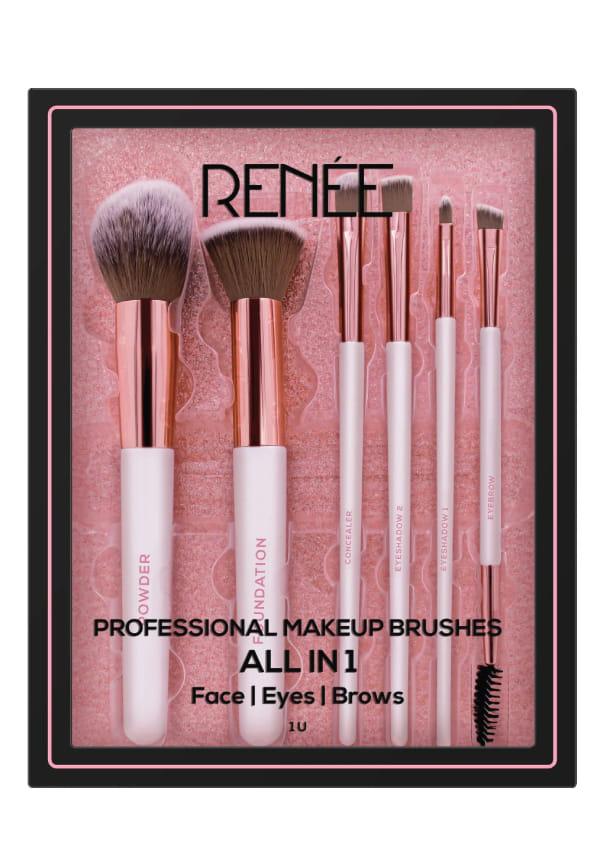 6 Pcs
6 PcsAll In 1 Professional Makeup Brush Set
Brushes typically offer more control and are easier to master for foundation application. They're more forgiving if you make mistakes and give you better precision while you're learning.
Absolutely! Many professionals use a combination technique—applying with a brush for coverage, then blending with a sponge for that perfect airbrush effect.
Brushes are generally more hygienic due to easier cleaning and longer lifespan. They can be thoroughly sanitised and don't need replacing as frequently as sponges.
Fingers can work for quick touch-ups but aren't ideal for hygiene or achieving a professional finish. Brushes and sponges both offer better control and more hygienic application.
Beauty blenders are typically better for dry skin as they provide moisture when damp and offer gentler application that won't irritate or emphasise dry patches.
Quality brushes can last years and provide better application, making them worth the investment if you use them regularly. However, there are good mid-range options that perform well too.
The beauty blender vs brush battle doesn't have to have a single winner—it's about finding what works for your skin type, makeup goals, and lifestyle. If you're after that natural, dewy finish and have dry or sensitive skin, a makeup sponge might be your perfect match. If you prefer full coverage, have oily skin, or want maximum versatility, brushes could be your go-to choice.
The best approach might actually be having both in your beauty arsenal and using them for different purposes. Remember, the most expensive tool isn't always the best—it's about finding what works for you and mastering the technique. Whether you're team sponge, team brush, or team both, the key is practice and understanding how each tool interacts with your skin and preferred products.
With Smytten's trial packs, you can experiment with different foundations and makeup products to see how they work with your chosen application method. After all, why settle for maybe when you can try different combinations and find your perfect match? The beauty world is full of options, and the right tools combined with the right products can help you achieve that flawless makeup look you're after.
