Skin Changes Due to Hormones FAQ: Your Questions Answered


Dark Spot Reduction Set | 3-Step Routine for Hyperpigmentation & Even Skin Tone | Cleanser, Serum & Moisturizer | Skin Care Routine Kit
That unexpected breakout along your jawline the week before your period. The sudden dryness that appeared after turning thirty. The stubborn dark patches that showed up during pregnancy and never quite faded. If you've noticed your skin behaving differently at certain times of the month or life stages, you're experiencing the very real connection between your hormones and your skin. These changes can feel frustrating and unpredictable, but understanding what's happening beneath the surface can help you navigate your skin's hormonal journey with confidence.
Hormonal skin changes occur when fluctuations in your body's hormone levels directly impact your skin's appearance, texture, and behaviour. Your skin contains hormone receptors that respond to changes in estrogen, progesterone, androgens, and other hormones, making it one of the most hormone-sensitive organs in your body.
These changes aren't just cosmetic surface issues. When hormone levels shift, they affect everything from oil production and collagen synthesis to blood flow and cellular turnover. This is why you might notice your skin looking completely different from one week to the next, or why certain skincare products that worked beautifully suddenly stop being effective.
The most common hormonal skin changes include cyclical acne, increased oiliness or dryness, sensitivity fluctuations, and pigmentation changes. These typically occur during puberty, menstrual cycles, pregnancy, perimenopause, and menopause, though they can happen anytime your hormone levels shift significantly.
Understanding that your skin's behaviour is often a reflection of internal hormonal activity can be incredibly validating. Those monthly breakouts aren't a failure of your skincare routine, and that sudden sensitivity isn't necessarily because you're using the wrong products. Your skin is simply responding to the complex hormonal orchestra playing inside your body.
Estrogen and skin health share a particularly close relationship. Often called the beauty hormone, estrogen supports collagen production, helps maintain skin thickness, and promotes moisture retention. When estrogen levels are optimal, your skin tends to look plump, hydrated, and youthful. This hormone also helps regulate sebum production, which is why many people notice their skin looks its best around ovulation when estrogen peaks.
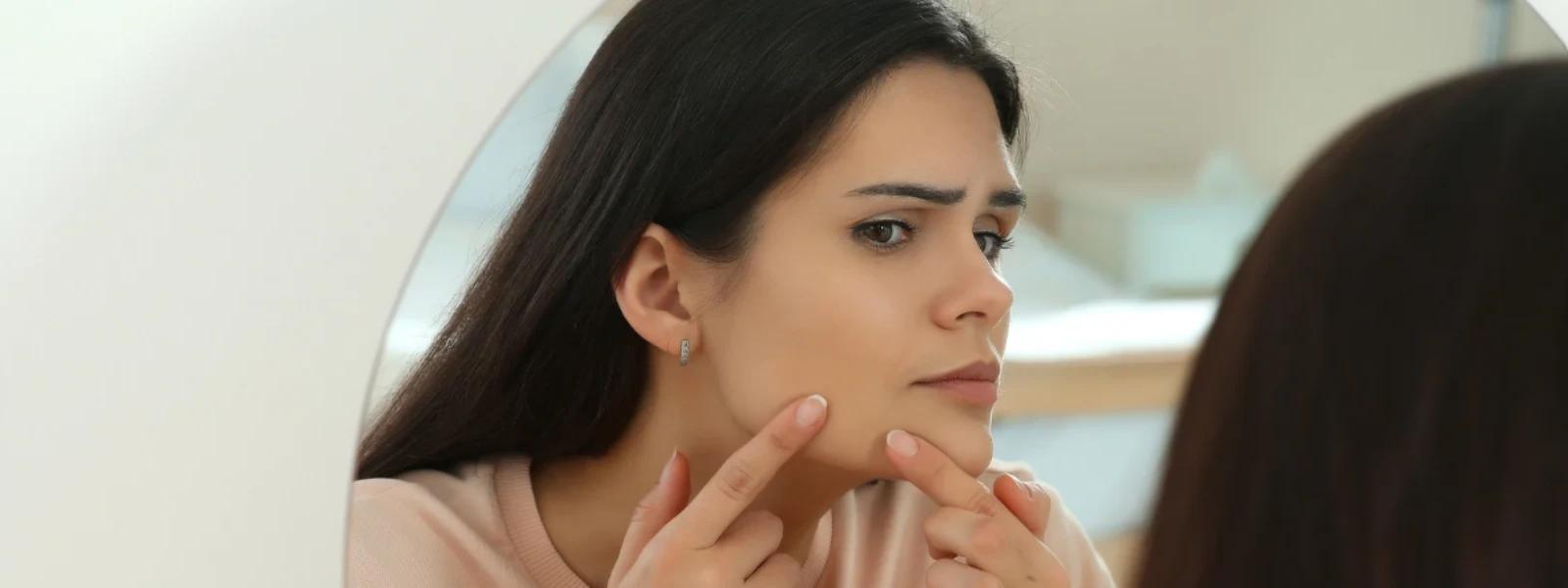
Progesterone and skin interactions tell a different story. Rising progesterone levels, particularly in the second half of your menstrual cycle, can increase oil production and cause pores to appear larger. This is why many people experience premenstrual breakouts, especially along the jawline and chin where hormone receptors are most concentrated.
Androgens, including testosterone, have the most dramatic impact on oil production. These hormones stimulate sebaceous glands to produce more sebum, which can lead to clogged pores and hormonal acne. Even small increases in androgen levels can trigger significant skin changes, which explains why conditions like PCOS often come with persistent acne.
Your skin's relationship with hormones evolves throughout your life, with distinct patterns emerging at different stages. Understanding these patterns can help you anticipate changes and adjust your skincare routine accordingly.
During puberty, the sudden surge of hormones, particularly androgens, triggers the sebaceous glands to become more active. This often results in the classic teenage acne pattern, with breakouts concentrated on the T-zone. The skin may also become noticeably oilier, and pores might appear larger as oil production increases.
 50 g
50 gCeramide Moisturizer for Pigmentation | Reduces Hyperpigmentation & Fades Spots | Targets Blemishes & Uneven Tone | For All Skin Types | 50g
Skin changes during menstruation follow a predictable monthly pattern for many people. In the week leading up to your period, progesterone levels rise whilst estrogen drops, often triggering breakouts along the jawline and chin. Your skin might also feel more sensitive during this time, and products that usually work well might cause irritation.
Pregnancy brings its own set of hormone related skin problems. The dramatic increase in estrogen and progesterone can cause melasma, those brown patches that appear on the face. Some people develop a pregnancy glow from increased blood flow, whilst others experience persistent acne or unusual sensitivity to skincare products they've used for years.
Skin changes during menopause represent one of the most significant hormonal transitions your skin will experience. As estrogen levels decline, collagen production slows, skin becomes thinner and drier, and fine lines may appear more quickly. The skin's natural moisture barrier also becomes less effective, leading to increased sensitivity and slower healing.
Recognising hormone imbalance skin patterns can help you distinguish between hormonal issues and other skin concerns. Hormonal acne typically appears in specific locations, particularly along the jawline, chin, and lower cheeks. These breakouts often coincide with your menstrual cycle and tend to be deeper, more cystic lesions rather than surface whiteheads.
Hormonal pigmentation changes, including melasma and post-inflammatory hyperpigmentation, often appear symmetrically on the face. These dark patches typically worsen with sun exposure and can persist long after the initial hormonal trigger has resolved.
Texture changes are another hallmark of hormonal skin issues. You might notice your skin feeling rougher or bumpier than usual, or developing small, flesh-coloured bumps that don't respond to typical acne treatments. Some people also experience a hormonal skin rash that appears as small, itchy bumps, particularly on the chest and back.
Sensitivity fluctuations are equally telling. If products that have worked well for years suddenly cause stinging or redness, or if your skin seems to react to everything during certain times of the month, hormones are likely involved.
Several medical conditions can cause persistent hormone imbalance skin problems that go beyond normal cyclical changes. PCOS is one of the most common, affecting up to 10% of women of reproductive age. The excess androgens associated with PCOS can cause severe acne, particularly along the jawline and chin, as well as unwanted hair growth and dark patches of skin called acanthosis nigricans.
Thyroid disorders also significantly impact skin health. Hypothyroidism often causes dry, pale, cool skin that may feel rough or scaly. Hair may become thin and brittle, and wounds might heal more slowly. Hyperthyroidism, conversely, can cause warm, moist skin that feels thin and fragile.
Insulin resistance, even without full diabetes, can affect skin health. High insulin levels can stimulate androgen production, leading to acne and dark patches of skin, particularly in body folds like the neck and underarms. This connection explains why some people notice skin improvements when they adopt a lower-glycemic diet.
 30 ml
30 ml2% Kojic Acid Serum | Dark Spot & Pigmentation Care | Alpha Arbutin + Niacinamide | Even-Tone Formula | For All Skin Types | 30ml
Managing hormonal skin changes requires a multi-faceted approach that addresses both the underlying hormonal fluctuations and the skin symptoms themselves. The key is consistency and patience, as hormonal skin often takes longer to respond to treatment than other skin concerns.
Topical treatments form the foundation of most hormonal skincare routines. Retinoids are particularly effective because they help normalise cell turnover and can reduce both acne and signs of ageing. Niacinamide is excellent for controlling oil production and reducing inflammation, making it ideal for hormonal acne. Hyaluronic acid helps maintain moisture levels, which is crucial as hormones can affect your skin's natural hydration.
For persistent hormonal acne, prescription treatments might be necessary. Spironolactone, a medication that blocks androgen receptors, can be particularly effective for adult women with hormonal acne. Hormonal contraceptives can also help regulate hormone levels, though they may take several months to show skin benefits.
Your daily skincare routine should adapt to your hormonal patterns. During the premenstrual phase, you might need gentler products and extra hydration. Post-ovulation, when oil production increases, a slightly more robust cleansing routine might be beneficial. Always maintain consistent SPF protection, as hormonal skin is often more prone to pigmentation.
Lifestyle factors play a crucial role in managing hormonal skin changes. Stress management is essential, as cortisol can worsen hormonal imbalances. Regular exercise helps regulate hormones naturally, though be sure to cleanse promptly after workouts to prevent pore-clogging. A balanced diet with adequate omega-3 fatty acids and limited processed foods can also support hormonal balance.
Whilst many hormonal skin changes can be managed with over-the-counter products and lifestyle modifications, certain situations warrant professional attention. Severe cystic acne that doesn't respond to topical treatments, sudden onset of skin changes without an obvious trigger, or skin problems that significantly impact your quality of life should all prompt a consultation with a dermatologist.
If you suspect an underlying hormonal condition like PCOS or thyroid dysfunction, your GP can order appropriate blood tests. Sometimes, what appears to be a skincare problem is actually a sign of a treatable medical condition. Early intervention can prevent long-term skin damage and address the root cause of your concerns.
Dermatologists can offer prescription treatments that aren't available over-the-counter, including stronger retinoids, hormonal medications, and professional procedures. They can also help you develop a comprehensive treatment plan that addresses both your immediate skin concerns and long-term skin health goals.
Estrogen is often called the beauty hormone because it supports collagen production, maintains skin thickness, and promotes moisture retention. When estrogen levels are optimal, typically around ovulation, many people notice their skin looks particularly radiant and healthy. Estrogen also helps regulate oil production and supports the skin's natural repair processes.
Androgens, particularly testosterone and its derivatives, are the primary hormones responsible for acne and oily skin. These hormones stimulate sebaceous glands to produce excess oil, which can clog pores and lead to breakouts. Insulin can also contribute to skin problems by increasing androgen production and promoting inflammation.
The duration of hormonal skin changes varies depending on the trigger. Menstrual cycle-related changes usually resolve within a few days to a week after your period begins. Pregnancy-related changes like melasma may persist for months or even years after delivery. Menopausal skin changes tend to be permanent unless addressed with hormone replacement therapy or targeted skincare treatments.
Yes, men can definitely experience hormonal skin changes, though they're often less discussed. Testosterone fluctuations can cause acne, particularly during puberty and times of stress. As men age, declining testosterone levels can affect skin thickness and healing. Men may also experience hormonal acne from steroid use or certain medications that affect hormone levels.
Early signs include cyclical breakouts that coincide with your menstrual cycle, sudden changes in skin oiliness or dryness, increased sensitivity to products you've used successfully before, and pigmentation changes like dark spots or patches. You might also notice that your skin's needs seem to change from week to week, requiring different products at different times.
Hormonal changes affect everyone, but the manifestations can vary significantly by skin type. People with naturally oily skin might experience more severe acne during hormonal fluctuations, whilst those with dry skin might notice increased sensitivity and dehydration. Combination skin often becomes more uneven, with the T-zone becoming oilier whilst other areas become drier.
Diet can definitely influence hormonal skin health. High-glycemic foods can spike insulin levels, potentially worsening acne. Dairy products may also trigger breakouts in some people due to naturally occurring hormones. Conversely, foods rich in omega-3 fatty acids, antioxidants, and zinc can help support healthy hormone balance and skin function.
Understanding the connection between your hormones and skin changes is the first step towards developing an effective skincare strategy. Remember that hormonal skin changes are completely normal and experienced by most people at various life stages. The key is learning to work with your skin's natural rhythms rather than fighting against them.
Consistency in your skincare routine, patience with treatment timelines, and professional guidance when needed can help you navigate even the most challenging hormonal skin phases. Your skin's needs will evolve throughout your life, and that's perfectly normal.
For those looking to explore new products and find what works for their changing skin, platforms like Smytten offer the opportunity to try products before committing to full sizes. With access to premium brands and the ability to test formulations risk-free, you can build a skincare routine that truly supports your skin through all its hormonal phases. Remember, the journey to understanding your skin is ongoing, and every step you take towards better skin health is worth celebrating.
