How to Use Effective Melasma Home Remedies for Clearer Skin
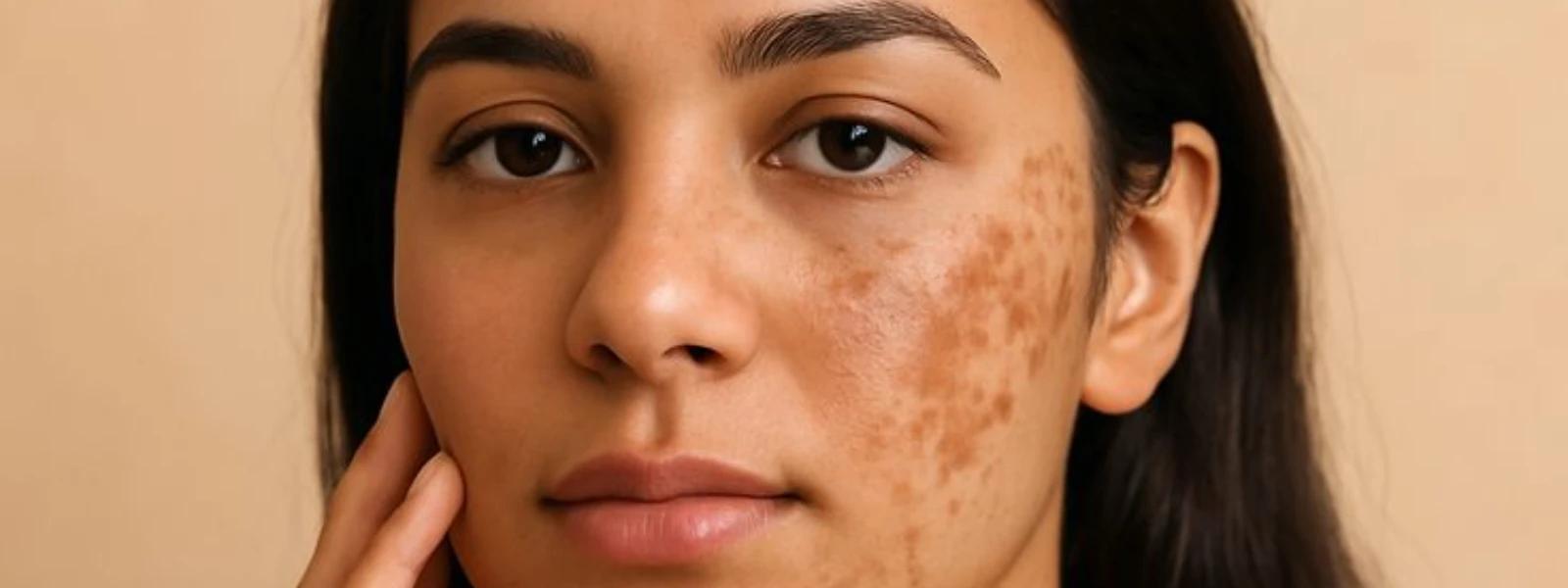

You've noticed those stubborn brown patches on your cheeks, forehead, or upper lip that seem to darken with every sunny day. Melasma affects millions of people, particularly women, and whilst professional treatments exist, many are turning to gentle, natural approaches that work alongside your skin's healing process. The good news? Effective melasma home remedies can genuinely help lighten these patches when used consistently and correctly.
Melasma appears as symmetrical brown or grey patches, typically triggered by hormonal changes during pregnancy, birth control use, or hormone replacement therapy. Sun exposure acts as the primary catalyst, whilst genetics determine your susceptibility. These patches occur when melanocytes (pigment-producing cells) go into overdrive, creating excess melanin in specific areas.
Natural melasma treatment options work by gently inhibiting melanin production, promoting cell turnover, and providing antioxidant protection. Unlike harsh chemical peels, home remedies allow your skin to heal gradually without irritation that could worsen pigmentation. The key lies in consistency rather than intensity.
Most natural remedies for melasma require 8-12 weeks of consistent use before visible improvements appear. Deep melasma patches may take longer, whilst surface-level discolouration responds more quickly. Professional treatments remain necessary for severe cases, but home remedies excel at maintaining results and preventing new patches.
Hyperpigmentation remedies work through several mechanisms: tyrosinase inhibition (blocking melanin production), gentle exfoliation (removing pigmented cells), and antioxidant protection (preventing further damage). Natural ingredients like vitamin C, kojic acid from fermented rice, and arbutin from bearberry plants offer scientifically-backed melanin-blocking properties.
Your skin's natural renewal cycle takes approximately 28 days, meaning consistent application allows new, less pigmented cells to gradually replace darker ones. This process explains why patience proves essential with any skin discoloration solutions.
Natural doesn't automatically mean gentle. Always patch-test new ingredients on your inner wrist 24 hours before facial application. Citrus-based remedies can increase photosensitivity, making diligent sun protection absolutely crucial during treatment.
These evidence-based home treatments for dark spots have shown consistent results when used properly. Remember, combining multiple remedies simultaneously can irritate sensitive skin, so introduce one new treatment weekly.
Aloe vera contains aloin, a compound that naturally inhibits tyrosinase activity. Fresh aloe gel applied twice daily provides gentle melanin suppression whilst soothing inflammation. Look for pure aloe vera gel or extract fresh gel from the plant. Apply a thin layer to affected areas, leaving on for 20 minutes before rinsing with cool water.
The acetic acid in apple cider vinegar provides gentle exfoliation and may help lighten pigmentation over time. Mix one part ACV with three parts water, apply with a cotton pad, and rinse after 10 minutes. Start with twice-weekly applications, gradually increasing frequency as your skin tolerates it.
Curcumin in turmeric offers anti-inflammatory and brightening properties. Mix one teaspoon turmeric powder with two tablespoons milk to create a paste. Apply for 15 minutes before gentle removal with a damp cloth. Use this mask twice weekly, being mindful that turmeric can temporarily stain skin yellow.
Fresh lemon juice contains natural vitamin C and citric acid, both melanin inhibitors. However, pure lemon juice proves too harsh for most skin types. Mix equal parts lemon juice and honey, apply for 15 minutes, then rinse thoroughly. Always use this treatment in the evening, followed by thorough cleansing and moisturising.
Green tea extract provides powerful antioxidants that protect against further pigmentation. Brew strong green tea, cool completely, and apply with cotton pads twice daily. Papaya pulp contains natural enzymes that gently exfoliate whilst licorice extract offers glabridin, a proven melanin inhibitor found in many commercial brightening products.
A structured melasma skincare routine maximises your home remedy effectiveness whilst protecting against further darkening. Consistency matters more than using every available treatment simultaneously.
Start with gentle cleansing using a mild, pH-balanced cleanser. Apply your chosen natural remedy (aloe vera works well for morning use), followed by a broad-spectrum SPF 30+ sunscreen. Reapply sunscreen every two hours, regardless of indoor or outdoor activities.
Evening provides optimal time for stronger treatments like diluted apple cider vinegar or vitamin C applications. Cleanse thoroughly, apply your chosen remedy, wait 15-20 minutes, then rinse and moisturise. This timing allows active ingredients to work without sun exposure risks.
Incorporate gentle exfoliating masks using turmeric or papaya pulp 1-2 times weekly. These treatments help remove pigmented surface cells whilst delivering brightening compounds deeper into the skin.
Successful melasma prevention requires understanding your triggers and implementing protective strategies. Sun exposure remains the primary culprit, but hormonal fluctuations and certain medications can also worsen pigmentation.
Beyond daily SPF application, consider wide-brimmed hats, UV-protective clothing, and seeking shade during peak sun hours (10 AM - 4 PM). Mineral sunscreens containing zinc oxide or titanium dioxide often prove less irritating for sensitive, melasma-prone skin.
If hormonal contraceptives triggered your melasma, discuss alternatives with your healthcare provider. Pregnancy-related melasma often improves postpartum, but diligent sun protection remains crucial throughout.
Antioxidant-rich foods support skin health from within. Include vitamin C sources (citrus fruits, berries), vitamin E (nuts, seeds), and beta-carotene (orange vegetables) in your daily diet. Adequate hydration and quality sleep also support healthy skin cell turnover.
Whilst natural approaches work wonderfully for mild to moderate melasma, some cases require professional intervention. Deep, long-standing patches or rapidly worsening pigmentation warrant dermatological evaluation.
Best melasma creams often contain hydroquinone, tretinoin, or kojic acid in concentrations unavailable in home remedies. These prescription treatments can work alongside your natural routine for enhanced results. Professional treatments like chemical peels or laser therapy may be necessary for stubborn cases.
Many dermatologists now recommend combining professional treatments with gentle home care. Natural remedies help maintain professional treatment results whilst providing ongoing protection against new pigmentation.
Vitamin C treatments typically show the quickest results, with some improvement visible within 4-6 weeks. However, 'fastest' doesn't mean overnight - melasma requires patience regardless of the remedy chosen.
Complete permanent removal at home isn't realistic for most people. However, consistent use of natural remedies combined with strict sun protection can significantly lighten patches and prevent new ones from forming.
Combining gentle daily treatments (like aloe vera) with weekly intensive masks (turmeric or papaya) whilst maintaining religious sun protection provides the most effective natural approach.
Whilst no diet 'cures' melasma, antioxidant-rich foods support skin health. Vitamin C, vitamin E, and omega-3 fatty acids may help. Always consult healthcare providers before starting new supplements.
Green tea provides powerful antioxidants, whilst adequate water intake supports healthy cell turnover. Some people find that reducing caffeine helps with hormonal balance, though scientific evidence remains limited.
Most natural remedies require 8-12 weeks of consistent use before visible improvements appear. Surface-level discolouration may improve sooner, whilst deeper pigmentation takes longer.
Yes, melasma can return if triggers (sun exposure, hormonal changes) reoccur. Ongoing sun protection and maintenance treatments help prevent recurrence.
Natural remedies can cause irritation, allergic reactions, or increased photosensitivity. Always patch-test new ingredients and discontinue use if irritation occurs.
Effective melasma home remedies offer a gentle, accessible approach to managing stubborn pigmentation. Success requires patience, consistency, and realistic expectations. Start with one proven remedy, maintain diligent sun protection, and gradually build a routine that works for your skin type and lifestyle.
Remember that skincare is deeply personal - what works brilliantly for one person may not suit another. The beauty of natural remedies lies in their gentleness, allowing you to experiment safely whilst supporting your skin's natural healing processes. For those exploring new skincare solutions, platforms like Smytten Shop offer curated selections of trusted brands, helping you discover effective products through their extensive range of beauty and wellness options, backed by millions of user experiences.
Your melasma journey doesn't define you, but taking consistent, gentle care of your skin can genuinely improve both your complexion and confidence. Start with one remedy today, stay patient with the process, and celebrate small improvements along the way.
