How to Treat Body Pigmentation: Effective Skin Pigmentation Treatment


Even Skin Duo for Hyperpigmentation | Even-Tone Inner Thighs, Knees, Neck & Elbows | Works on High-Friction Zones | For All Skin Types
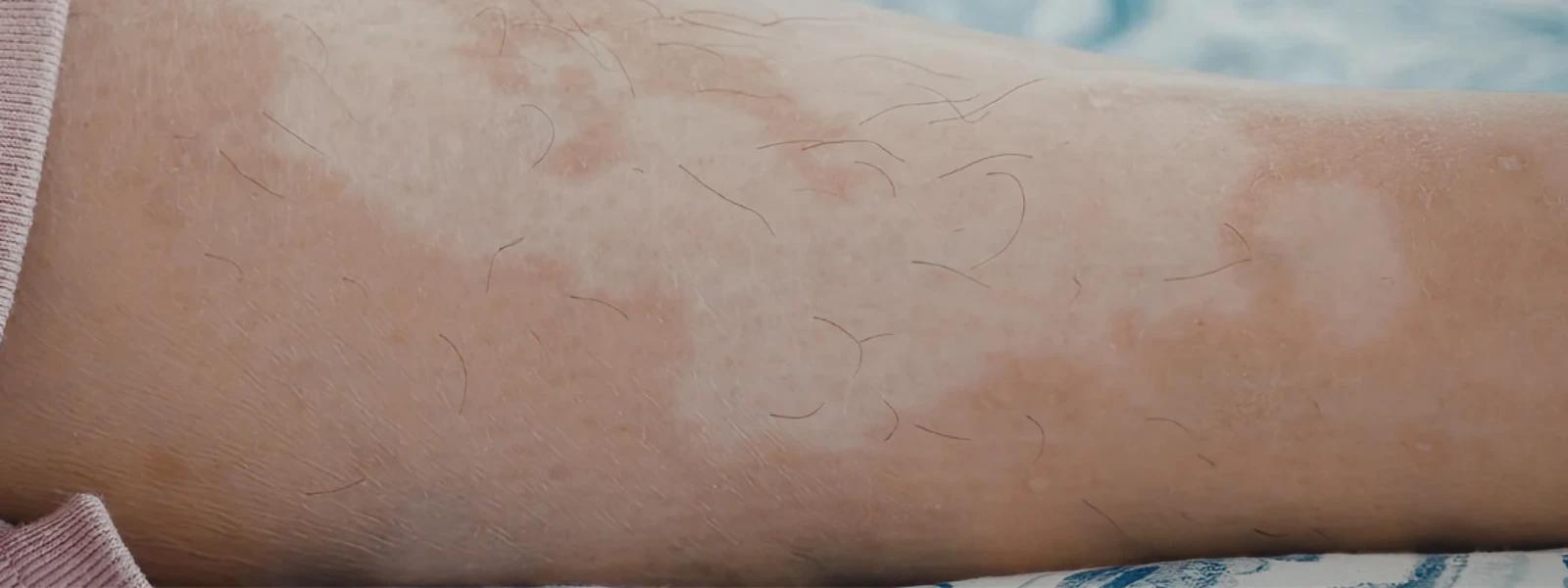
That patch of darker skin on your inner thighs that appeared after last summer's chafing. The stubborn marks on your underarms that won't budge despite trying countless remedies. The uneven tone across your back that makes you think twice about backless tops. Body pigmentation affects most of us at some point, yet it's often overlooked in favour of facial skincare. Unlike your face, body skin is thicker, less sensitive, and requires a completely different approach to achieve that even, radiant tone you're after.
Body pigmentation happens when your skin produces excess melanin in response to various triggers. Think of melanin as your skin's natural defence system – it kicks into overdrive when it senses potential damage from friction, inflammation, or hormonal changes. This process creates those frustrating dark patches that seem to appear overnight but take months to fade.
The most common types you'll encounter include post-inflammatory hyperpigmentation from ingrown hairs or razor burn, acanthosis nigricans in skin folds like your neck and underarms, and friction-induced darkening from tight clothing or repetitive movement. Unlike facial pigmentation, which often stems from sun damage or hormonal fluctuations, body pigmentation frequently results from mechanical irritation and moisture buildup.
Your body skin is roughly 30% thicker than facial skin, which means active ingredients need more time and higher concentrations to penetrate effectively. Areas like your knees, elbows, and heels have even thicker skin that can handle stronger treatments without irritation. This thickness also means skin pigmentation treatment for your body requires patience – what might show results on your face in 4-6 weeks could take 3-4 months on your body.
Sudden changes in pigmentation, especially symmetrical darkening around your neck or underarms, might indicate underlying insulin resistance or hormonal imbalances. If you notice rapid changes or pigmentation accompanied by itching or texture changes, it's worth consulting a dermatologist to rule out medical conditions.
When over-the-counter products aren't cutting it, professional treatments offer more dramatic results. Chemical peels using glycolic acid or trichloroacetic acid can resurface stubborn areas, whilst laser treatments like Q-switched Nd:YAG specifically target melanin deposits without damaging surrounding tissue.
Professional treatments typically cost between ₹3,000-₹15,000 per session, with most people needing 4-6 sessions for significant improvement. The advantage? You'll see results faster than with at-home treatments, and dermatologists can customise treatment intensity based on your skin's response.
Medium-depth peels work particularly well for body pigmentation because they can penetrate the thicker skin effectively. Glycolic acid peels at 20-30% concentration help accelerate cell turnover, whilst lactic acid peels offer gentler exfoliation for sensitive areas. Most dermatologists recommend starting with lighter concentrations and gradually increasing strength based on your skin's tolerance.
 50 g
50 gCeramide Moisturizer for Pigmentation | Reduces Hyperpigmentation & Fades Spots | Targets Blemishes & Uneven Tone | For All Skin Types | 50g
Laser treatments offer precision that topical products can't match. Q-switched lasers break down melanin clusters, whilst fractional lasers create controlled micro-injuries that stimulate new, evenly-toned skin growth. The downside? Temporary darkening can occur immediately after treatment, especially on darker skin tones, before the pigmentation begins to fade.
Creating a consistent routine is your best bet for long-term results. The key is layering ingredients that work synergistically – exfoliating acids to remove pigmented cells, brightening agents to inhibit new melanin production, and moisturising ingredients to support skin barrier function throughout the process.
Start slowly with any new routine. Your body skin might be less sensitive than your face, but introducing multiple actives too quickly can still cause irritation that actually worsens pigmentation. Begin with every other day application and gradually increase frequency as your skin adapts.
Alpha hydroxy acids like glycolic and lactic acid work by dissolving the bonds between dead skin cells, revealing brighter skin underneath. For body use, look for concentrations between 10-15% – higher than you'd use on your face but appropriate for thicker body skin. Salicylic acid works particularly well for areas prone to ingrown hairs, as it can penetrate into pores and prevent the inflammation that leads to dark spots.
Niacinamide at 5-10% concentration helps regulate melanin production whilst strengthening your skin barrier. Kojic acid and alpha arbutin work by inhibiting tyrosinase, the enzyme responsible for melanin synthesis. Tranexamic acid has gained popularity for its ability to address both pigmentation and inflammation – particularly useful for areas that experience regular friction.
Hydrated skin responds better to treatment and heals faster. Look for body lotions containing ceramides, hyaluronic acid, and peptides to support skin repair. Retinol body lotions can accelerate cell turnover, but start with lower concentrations (0.25-0.5%) and use only at night with diligent sun protection during the day.
Whilst professional and cosmetic treatments offer faster results, natural skin brighteners can complement your routine and provide gentle, long-term benefits. The key is managing expectations – natural ingredients work more slowly but often with fewer side effects.
Aloe vera contains compounds that can inhibit melanin production whilst soothing inflammation. Fresh aloe gel applied twice daily can help fade recent pigmentation, though it's more effective for prevention than treating established dark spots. Licorice extract contains glabridin, which has been shown to inhibit tyrosinase activity, making it a gentler alternative to hydroquinone.
 100ml
100mlFace Wash for Dark Spots & Marks | Alpha Arbutin + Kojic Acid | Evens Skin Tone | Non-Stripping Gentle Formula | For All Skin Types | 100ml
Turmeric mixed with milk or honey creates a paste that can help brighten skin over time, thanks to its curcumin content. However, be cautious of temporary yellow staining – always patch test first. Apple cider vinegar diluted to 1:3 ratio with water can provide gentle exfoliation, but it's crucial to moisturise afterwards as it can be drying.
Raw honey contains enzymes and antioxidants that support skin healing. Apply as a mask for 15-20 minutes before rinsing – it's particularly effective for areas with recent inflammation or minor cuts that might lead to pigmentation.
Papaya contains natural enzymes that gently exfoliate whilst providing vitamin C for brightening. Mash fresh papaya into a paste and apply for 10-15 minutes. Lemon juice is often recommended, but use it cautiously – the citric acid can make your skin photosensitive, potentially worsening pigmentation if you're exposed to sun afterwards.
Some areas of pigmentation require targeted approaches. Underarm darkening often responds well to gentle exfoliation combined with antiperspirants containing aluminium chloride, which can help reduce the moisture and friction that contribute to darkening. For inner thigh pigmentation, focus on reducing friction with proper-fitting clothing and anti-chafing products alongside your treatment routine.
Combination therapy often yields the best results. You might use a professional treatment quarterly whilst maintaining a daily routine with gentler actives. This approach allows for more dramatic improvement without the constant irritation that can come from aggressive daily treatments.
When combining multiple active ingredients, timing matters. Use exfoliating acids in the evening, followed by niacinamide or other brightening agents. Always finish with a moisturiser to prevent irritation. If you're using retinol, alternate nights with acid exfoliation to avoid over-treating your skin.
Summer heat and humidity can worsen body pigmentation through increased friction and sweating. During warmer months, focus on prevention with lightweight, breathable fabrics and consistent sun protection. Winter's lower humidity levels make it an ideal time for more intensive treatments, as your skin is less likely to become irritated.
Preventing new pigmentation is often easier than treating existing dark spots. Sun protection remains crucial – body skin receives significant UV exposure through clothing, especially lighter fabrics. Apply broad-spectrum SPF 30 or higher to exposed areas, and don't forget often-missed spots like your feet and the back of your neck.
Friction prevention makes a massive difference. Choose moisture-wicking fabrics for exercise, ensure proper bra and underwear fit, and use anti-chafing products for areas that rub together. Even small changes like switching to a gentler shaving technique can prevent the micro-injuries that lead to post-inflammatory hyperpigmentation.
 15 G
15 GAdvanced Spot Targeting Gel | Fast-Acting Discolouration Care | Targets Stubborn Marks | Spicules + Biomimetic Peptides + Arbutin | 15g
Your diet and overall health significantly impact your skin's ability to maintain even tone. Insulin resistance can worsen acanthosis nigricans, so maintaining stable blood sugar through balanced meals helps prevent new pigmentation. Adequate hydration supports skin cell turnover, whilst quality sleep allows your skin to repair overnight.
Managing stress levels also plays a role – chronic stress can worsen inflammatory conditions that contribute to pigmentation. Regular exercise improves circulation and supports healthy skin cell turnover, just remember to shower promptly afterwards to prevent sweat-related irritation.
Most people notice initial improvements after 6-8 weeks of consistent treatment, with significant results visible after 3-4 months. Body skin takes longer to respond than facial skin due to its thickness and slower cell turnover rate. Professional treatments may show faster results, whilst natural remedies typically require 4-6 months for noticeable changes.
Many pigmentation treatments aren't recommended during pregnancy. Avoid retinoids, hydroquinone, and high-concentration acids. Safe options include gentle exfoliation with lactic acid, niacinamide, vitamin C, and natural ingredients like aloe vera. Always consult your healthcare provider before starting any new skincare routine during pregnancy.
Several factors can worsen pigmentation during treatment: sun exposure without adequate protection, hormonal changes, continued friction or irritation, using products that are too harsh, or underlying medical conditions. Review your routine with a dermatologist if you're not seeing improvement after 3 months of consistent treatment.
Not necessarily. Many effective ingredients like niacinamide, glycolic acid, and kojic acid are available in budget-friendly formulations. The key is consistency and proper application rather than price point. However, professional treatments can offer faster results for stubborn pigmentation that doesn't respond to over-the-counter options.
Treating body pigmentation requires patience, consistency, and often a combination of approaches. Whether you choose professional treatments, develop an at-home routine with proven actives, or incorporate natural remedies, the key is understanding that results take time – typically 3-6 months for significant improvement.
Remember that prevention is equally important as treatment. Protecting your skin from friction, maintaining proper hygiene, and using sun protection can prevent new pigmentation from forming whilst you work on fading existing dark spots. For those exploring new products and treatments, platforms like Smytten Shop offer the opportunity to try samples before committing to full-size products, helping you find what works for your unique skin needs without the guesswork.
Your skin's journey to even tone is exactly that – a journey. Be patient with the process, celebrate small improvements, and remember that consistency trumps perfection every time. With the right approach and realistic expectations, achieving the even, radiant skin tone you want is absolutely possible.
