UVA vs UVB Rays FAQ: Understanding Sun Damage on Indian Skin
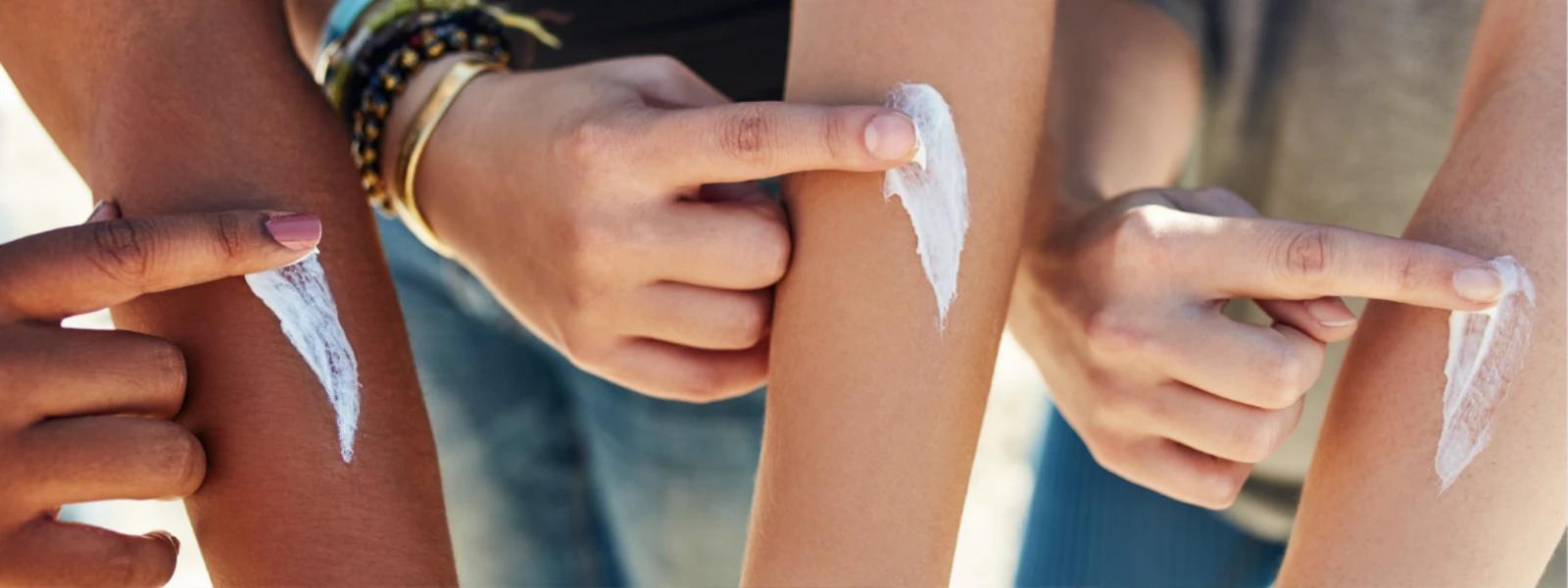

You've probably heard that UV rays are bad for your skin, but do you know there are actually different types? If you've ever wondered why your skin still feels damaged even when you're indoors by a window, or why that expensive sunscreen didn't prevent those dark spots from appearing, the answer lies in understanding UVA and UVB rays. For those of us with Indian skin, this knowledge becomes even more crucial because our melanin-rich skin responds differently to UV radiation than lighter skin tones. Let's break down exactly what these rays do and why protecting your skin properly matters more than you might think.
When we talk about UV rays, we're actually discussing three different types of ultraviolet radiation that reach us from the sun. Understanding these differences helps explain why your skin behaves the way it does under various conditions.
UVA rays (Ultraviolet A) have wavelengths between 315-400 nanometers and make up about 95% of the UV radiation that reaches Earth's surface. These are the longest wavelengths in the UV spectrum, which means they can penetrate deeper into your skin layers. Think of UVA as the persistent type – they're present all year round, can pass through clouds and glass, and maintain relatively consistent intensity throughout the day.
UVB rays (Ultraviolet B) have shorter wavelengths between 280-315 nanometers and represent only about 5% of UV radiation reaching us. Despite being a smaller percentage, UVB rays pack more energy per photon than UVA rays. These are the rays that vary significantly with seasons, time of day, and geographic location. UVB intensity peaks between 10 AM and 4 PM and is strongest during summer months.
There's also UVC radiation (200-280 nanometers), but the Earth's ozone layer filters out most UVC rays, so they don't typically affect our skin under normal circumstances.
The difference between UVA and UVB rays becomes particularly important when we consider how they interact with Indian skin. Our melanin-rich skin provides some natural protection, but it's not the complete shield many people assume it to be.
UVA rays penetrate deep into the dermis layer, where they can cause significant damage even in darker skin tones. Whilst our melanin does offer some protection against immediate burning, it doesn't fully prevent the oxidative stress and cellular damage that UVA rays cause in deeper skin layers. This is why people with Indian skin can still experience premature ageing and hyperpigmentation despite rarely getting sunburnt.
UVB rays primarily affect the epidermis (the top layer of skin) and are responsible for the immediate redness and burning sensation we associate with sun damage. In Indian skin, UVB damage might not always manifest as obvious redness due to our higher melanin content, but the cellular damage is still occurring. This can make it harder to recognise when we've had too much sun exposure.
Our skin's melanin content provides natural SPF protection estimated between 4-13, depending on individual skin tone. However, this protection is unevenly distributed between UVA and UVB defence. Melanin is more effective against UVB rays than UVA rays, which explains why sun damage on skin in Indian populations often manifests as pigmentation issues rather than obvious burning.
Geographic factors also play a role. India's location near the equator means we're exposed to higher UV intensity year-round compared to temperate regions. Cities at higher altitudes like Shimla or Darjeeling experience even more intense UV radiation due to thinner atmospheric protection.
The effects of UVA rays on Indian skin are often called 'silent' because they accumulate over time without obvious immediate symptoms. These rays are particularly concerning for our skin type because they can penetrate through the melanin barrier more easily than UVB rays.
Photoaging is one of the primary concerns. UVA rays break down collagen and elastin fibres in the dermis, leading to fine lines, wrinkles, and loss of skin firmness. In Indian skin, this often appears as a dull, uneven complexion before visible wrinkles develop.
Hyperpigmentation is another major effect. UVA rays can trigger melanocytes (pigment-producing cells) to become overactive, leading to dark spots, melasma, and uneven skin tone. This is particularly problematic for Indian skin because our melanocytes are naturally more active and responsive to UV stimulation.
Unlike UVB rays, UVA rays maintain consistent intensity throughout the year and can penetrate through glass windows. This means you're getting UVA exposure during your daily commute, whilst sitting by office windows, or even at home. Many people with Indian skin notice gradual darkening or pigmentation changes without realising this constant, low-level UVA exposure is the culprit.
The effects of UVB rays extend far beyond the immediate burning sensation that lighter skin types experience. For Indian skin, UVB damage can be particularly insidious because it's often less obvious in the short term.
DNA damage is the most serious concern. UVB rays have enough energy to directly damage DNA in skin cells, potentially leading to mutations that could develop into skin cancer. Whilst skin cancer rates are lower in Indian populations compared to Caucasian populations, they're not negligible, and the risk increases with cumulative UV exposure.
Immune suppression is another effect of UVB exposure. These rays can temporarily suppress the skin's immune response, making it more susceptible to infections and reducing its ability to repair damage effectively.
UVB rays are necessary for vitamin D synthesis in our skin, creating a delicate balance between getting enough sun for health benefits whilst avoiding damage. For Indian skin, this balance point is different from lighter skin types – we need slightly more exposure to produce adequate vitamin D, but we also have better natural protection against immediate damage.
This is one of the most common questions about UV rays and Indian skin, and the answer isn't straightforward. Both types cause significant damage, but in different ways.
UVB rays pose a higher immediate risk for skin cancer and acute damage. They have more energy per photon and can cause direct DNA damage that leads to mutations. For this reason, many dermatologists consider UVB protection the priority for cancer prevention.
However, UVA rays might be arguably more clinically important for Indian skin in terms of day-to-day skin health. Because UVA exposure is constant and cumulative, and because it's the primary driver of hyperpigmentation and premature ageing in our skin type, protecting against UVA rays often has more visible benefits for Indian skin.
The reality is that UVA and UVB rays work together to damage skin. UVA rays can actually increase the skin's sensitivity to UVB damage, whilst UVB exposure can make the skin more susceptible to UVA-induced pigmentation changes. This is why broad-spectrum protection is essential rather than focusing on just one type of UV ray.
Effective UVA UVB protection for Indian skin requires understanding both the unique needs of our skin type and the specific UV challenges we face in the Indian climate.
Broad-spectrum sunscreen is non-negotiable. Look for products that specifically mention both UVA and UVB protection. In India, pay attention to both SPF ratings (which measure UVB protection) and PA ratings (which indicate UVA protection). For daily use, SPF 30 with PA+++ or PA++++ is typically sufficient for most Indian skin types.
Physical vs chemical sunscreens can make a difference for Indian skin. Physical sunscreens containing zinc oxide or titanium dioxide provide broad-spectrum protection and are less likely to cause irritation. However, many people with Indian skin prefer chemical sunscreens because they don't leave a white cast. Modern formulations have largely solved this issue, so choose based on your skin's tolerance and preferences.
Sunscreen alone isn't enough for comprehensive sun damage prevention. Protective clothing, especially during peak UV hours (10 AM to 4 PM), provides excellent additional protection. Seeking shade when possible and wearing wide-brimmed hats can significantly reduce your overall UV exposure.
Timing matters too. Even with Indian skin's natural protection, avoiding unnecessary sun exposure during peak hours can prevent cumulative damage that leads to premature ageing and hyperpigmentation.
Both are important, but UVA protection is arguably more crucial for daily skincare in Indian skin. UVA rays cause the hyperpigmentation and premature ageing that are primary concerns for our skin type, and they're present year-round at consistent levels. However, UVB protection remains essential for preventing skin cancer and acute damage, especially during outdoor activities.
UVB rays cause more immediate and severe damage, including DNA mutations that can lead to skin cancer. However, UVA rays cause more cumulative damage over time because of constant exposure. For Indian skin specifically, UVA damage often has more visible effects in terms of pigmentation and ageing, whilst UVB damage may be less obvious but potentially more serious long-term.
The main differences are wavelength and penetration depth. UVC rays (200-280 nm) are mostly filtered by the ozone layer. UVB rays (280-315 nm) affect the skin's surface and cause burning and DNA damage. UVA rays (315-400 nm) penetrate deeper into skin layers and cause ageing and pigmentation changes. UVA makes up 95% of UV radiation reaching Earth, whilst UVB makes up about 5%.
UV intensity varies across India due to altitude, latitude, and atmospheric conditions. Higher altitude areas like hill stations experience more intense UV radiation because there's less atmosphere to filter it. Coastal areas may have additional reflection from water surfaces. Northern India generally experiences more seasonal variation in UV intensity compared to southern regions closer to the equator.
Melanin provides natural protection equivalent to SPF 4-13, depending on skin tone. It's more effective against UVB rays than UVA rays, which is why Indian skin rarely burns but can still experience significant UVA-related damage like hyperpigmentation. Melanin also helps repair some UV damage, but it's not complete protection – consistent sun protection is still necessary.
Yes, though rates are lower than in lighter-skinned populations. Skin cancer in Indian skin often appears in areas with less pigmentation (palms, soles, nail beds) or as melanomas that can be harder to detect against darker skin. Regular skin checks and sun protection remain important for cancer prevention.
Understanding the difference between UVA and UVB rays and their specific effects on Indian skin empowers you to make better choices about sun protection. Your skin's natural melanin provides some protection, but it's not a complete shield against UV radiation damage. The key is consistent, broad-spectrum protection that addresses both immediate UVB damage and cumulative UVA effects.
Remember that effective sun protection is about more than just preventing sunburn – it's about maintaining your skin's health, preventing premature ageing, and reducing long-term risks. Whether you're dealing with existing sun damage or working to prevent future issues, the right combination of sunscreen, protective measures, and skincare can help maintain healthy, resilient skin.
For those looking to explore effective sun protection products, platforms like Smytten Shop offer curated selections from premium brands, allowing you to try different formulations before committing to full sizes. With over 28 million users discovering products that work for their unique skin needs, you can find sun protection solutions specifically suited to Indian skin types whilst earning cashback on your purchases.
