Clearing Acne Prone Skin FAQ: Your Complete Guide

 70 ml
70 mlIntimate Brightening Roll-On Serum | Inner Thighs & Bum | 10% AHA + PHA | Evens Skin Tone | Lightweight & Non-Sticky | 70ml
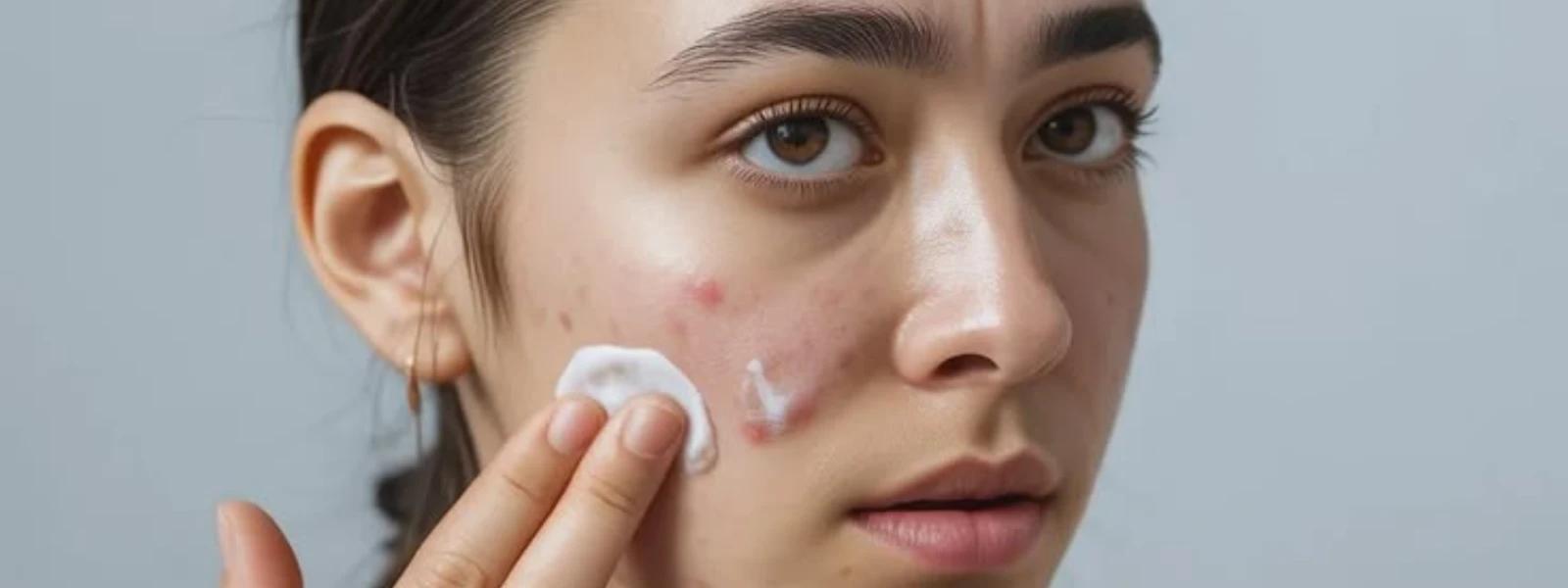
You've tried everything—gentle cleansers, spot treatments, even that expensive serum your friend swore by—yet your skin still greets you with fresh breakouts each morning. If you're dealing with persistent acne, you're not alone. Millions of people struggle with clearing acne prone skin, and the journey often feels like navigating a maze of conflicting advice and products that promise the world but deliver little. The good news? Understanding your skin's unique needs and building the right routine can genuinely transform your complexion. Let's dive into the most pressing questions about acne treatment and discover what actually works for long-term blemish control.
Before diving into solutions, it's crucial to understand what's happening beneath your skin's surface. Acne formation isn't just about dirty pores—it's a complex process involving oil production, dead skin cells, bacteria, and inflammation working together to create those frustrating bumps.
Your pores contain hair follicles and sebaceous glands that produce sebum, your skin's natural oil. When dead skin cells don't shed properly, they mix with excess sebum and create a plug. This environment becomes perfect for Propionibacterium acnes bacteria to multiply, leading to the red, inflamed spots we call acne. Understanding this process helps explain why effective pore cleansing goes beyond surface-level washing.
Hormones play a massive role in acne development, particularly androgens like testosterone. These hormones increase sebum production and can make pore lining cells stickier, creating more blockages. This explains why many people experience breakouts during puberty, menstrual cycles, or times of stress. Skin inflammation often worsens during these hormonal fluctuations, making consistent skincare even more important.
Your environment significantly impacts your skin's behaviour. High humidity can increase oil production, whilst air conditioning can dehydrate your skin, causing it to overcompensate with more oil. Pollution particles can clog pores, and even your mobile phone can transfer bacteria to your face. Recognising these triggers helps you develop targeted oily skin solutions that address your specific circumstances.
Building an effective routine for clearing acne prone skin requires patience and consistency. The key is starting simple and gradually introducing products that target different aspects of acne formation. Your routine should focus on gentle cleansing, targeted treatment, and protection without overwhelming your skin.
Start your day with a gentle facial cleanser that removes overnight oil buildup without stripping your skin. Look for ingredients like salicylic acid or glycolic acid that provide mild exfoliation. Follow with a lightweight, non-comedogenic moisturiser—yes, even oily skin needs hydration. Finish with broad-spectrum SPF 30 or higher to prevent post-inflammatory hyperpigmentation from existing blemishes.
Evening is when you can introduce stronger anti-acne products. Double cleanse if you wear makeup or sunscreen, starting with an oil-based cleanser followed by your regular facial cleanser. This ensures thorough removal of the day's buildup. Apply targeted treatments containing benzoyl peroxide, retinoids, or niacinamide to clean skin, then moisturise to maintain your skin barrier.
Once or twice weekly, incorporate deeper pore cleansing treatments. BHA exfoliants like salicylic acid can penetrate oil-filled pores, whilst clay masks help absorb excess oil and draw out impurities. Avoid over-exfoliating, which can increase inflammation and worsen breakouts.
Apply products from thinnest to thickest consistency: cleanser, toner (if using), serums, treatments, moisturiser, then SPF in the morning. Wait a few minutes between each step to allow proper absorption. This layering ensures each product can work effectively without interfering with others.
Not all acne treatment ingredients are created equal. Some have decades of research backing their effectiveness, whilst others are more marketing hype than science. Understanding which ingredients genuinely help with blemish control can save you time, money, and frustration.
Benzoyl peroxide remains one of the most effective over-the-counter acne treatments. It kills acne-causing bacteria and helps prevent new breakouts from forming. Start with 2.5% concentration to minimise irritation—higher percentages aren't necessarily more effective but can cause dryness and peeling. Use it as a spot treatment or all-over, depending on your skin's tolerance.
This beta-hydroxy acid is oil-soluble, meaning it can penetrate into pores and dissolve the mixture of oil and dead skin cells that causes blockages. Salicylic acid also has anti-inflammatory properties, making it excellent for reducing redness and swelling. Look for concentrations between 0.5% and 2% for daily use.
Retinoids are vitamin A derivatives that speed up cell turnover, preventing dead skin cells from clogging pores. They're particularly effective for acne prevention and can also help fade post-acne marks. Start with over-the-counter retinol or adapalene, using it every other night initially to build tolerance.
Niacinamide (vitamin B3) helps regulate oil production, reduces inflammation, and strengthens the skin barrier. It's particularly beneficial for those with sensitive skin who can't tolerate stronger actives. Look for concentrations between 5% and 10% for optimal blemish control without irritation.
Whilst clinical ingredients often provide the most dramatic results, natural approaches can complement your routine and support overall skin health. These methods focus on reducing inflammation, supporting your skin barrier, and addressing lifestyle factors that contribute to breakouts.
Honey and oatmeal masks provide gentle exfoliation and antimicrobial benefits. Raw honey contains natural enzymes that help unclog pores, whilst oatmeal soothes inflammation. Green tea compresses can reduce redness and provide antioxidant benefits. However, be cautious with DIY treatments—some popular ingredients like lemon juice can actually irritate and sensitise your skin.
Your daily habits significantly impact your skin's health. Change your pillowcase frequently to avoid bacterial buildup, clean your mobile phone regularly, and avoid touching your face throughout the day. These simple clear skin tips can prevent new breakouts from forming whilst your skincare routine addresses existing ones.
Whilst diet doesn't cause acne directly, certain foods may worsen existing breakouts. High-glycemic foods and dairy products are the most commonly cited triggers. Focus on anti-inflammatory foods rich in omega-3 fatty acids, antioxidants, and zinc to support your skin from within.
Chronic stress increases cortisol production, which can worsen acne by increasing oil production and inflammation. Prioritise quality sleep, practice stress-reduction techniques, and maintain regular exercise to support your body's natural healing processes.
Sometimes, over-the-counter solutions aren't enough for effective clearing acne prone skin. Knowing when to seek professional help can prevent scarring and save months of frustration with products that aren't strong enough for your particular case.
If you've been consistent with a well-formulated routine for 12 weeks without improvement, it's time to see a dermatologist. Cystic acne, widespread breakouts, or acne that's causing scarring all warrant professional intervention. Don't wait if your acne is affecting your mental health or self-confidence—effective treatments are available.
Dermatologists can prescribe stronger retinoids, antibiotics for inflammatory acne, or hormonal treatments for women with hormonally-driven breakouts. These prescription options often work faster and more effectively than over-the-counter alternatives, particularly for moderate to severe acne.
Your dermatologist will assess your skin type, acne severity, and any scarring. They'll ask about your current routine, previous treatments, and lifestyle factors. Come prepared with a list of products you've tried and photos showing your skin's progression over time.
Start with a gentle, consistent routine using proven ingredients like salicylic acid or benzoyl peroxide. Cleanse twice daily with a mild facial cleanser, apply targeted treatments to affected areas, and always moisturise and use SPF. Be patient—most acne treatments take 6-12 weeks to show significant results. Avoid over-washing or using too many products at once, which can irritate your skin and worsen breakouts.
Most people see initial improvements in 4-6 weeks, with significant results appearing after 12 weeks of consistent use. Retinoids may cause initial purging where breakouts temporarily worsen before improving. Stick with your routine during this period—it's often a sign that the treatment is working by bringing deeper blockages to the surface.
Yes, but introduce them gradually to avoid irritation. You might use salicylic acid in the morning and retinol at night, or alternate days with different treatments. Avoid combining benzoyl peroxide with retinoids at the same time, as this can cause excessive dryness. Always use a moisturiser and SPF when using multiple anti-acne products.
The strongest evidence links high-glycemic foods (white bread, sugary snacks, processed foods) and dairy products to increased breakouts in some people. However, food triggers vary individually. Keep a food diary to identify your personal triggers. Focus on anti-inflammatory foods like fatty fish, leafy greens, and berries to support overall skin health and acne prevention.
Yes, especially when starting retinoids or increasing the strength of your treatments. This "purging" phase typically lasts 4-6 weeks as the products accelerate cell turnover and bring existing blockages to the surface. True purging occurs only in areas where you normally break out. If you're getting breakouts in new areas, you may be experiencing irritation rather than purging.
Avoid picking or squeezing spots, as this can push bacteria deeper into the skin, increase inflammation, and lead to scarring. If you must extract a whitehead, do it safely: use clean hands, apply gentle pressure with cotton swabs, and follow up with an antiseptic. For cystic acne, see a dermatologist for professional extraction or cortisone injections.
Clearing acne prone skin is a journey that requires patience, consistency, and often some trial and error to find what works for your unique skin. The key is starting with gentle, proven ingredients and building a routine you can stick to long-term. Remember that effective acne treatment isn't just about the products you use—it's about understanding your skin's needs, maintaining realistic expectations, and being consistent with your approach.
At Smytten, you can explore a curated selection of anti-acne products from trusted brands, allowing you to try before you commit to full sizes. With over 28 million users discovering their perfect skincare matches, you're not alone in this journey. Whether you're looking for gentle cleansers, targeted treatments, or complete routines for blemish control, the right products are out there waiting for you to discover them. Your skin's transformation might be just one well-chosen product away.
