UVA vs UVB Rays FAQ: Understanding Sun Damage and Skin Effects


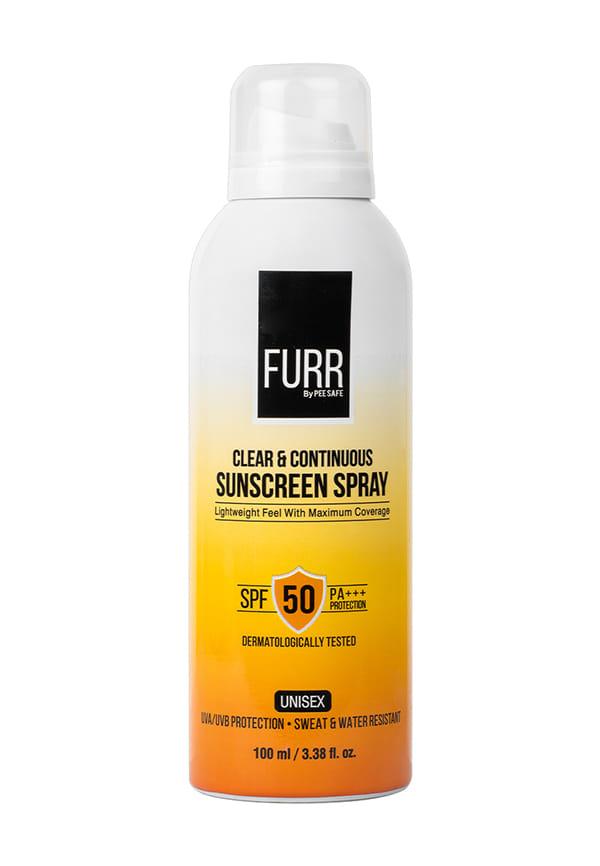
FURR Sunscreen Spray Protect your skin from UVA and UVB rays
You've probably heard that you need SPF protection, but have you ever wondered why some people burn quickly whilst others seem to tan effortlessly? Or why your skin might look older despite religiously avoiding sunburn? The answer lies in understanding the two types of UV radiation that reach our skin daily: UVA and UVB rays. These invisible forces work differently, damage skin through distinct mechanisms, and require specific protection strategies. Real talk - knowing the difference could be the key to preventing premature ageing, hyperpigmentation, and serious skin damage.
When sunlight reaches Earth, it carries ultraviolet radiation that's divided into different wavelengths. Only two types actually make it through our atmosphere to affect your skin, and they couldn't be more different in how they behave.
UVA rays have wavelengths between 315-400 nanometres and make up a staggering 95% of all UV radiation reaching Earth's surface. Think of them as the marathon runners of UV damage - they're lower in energy but incredibly persistent. These rays penetrate deep into your skin's dermis layer, where your collagen and elastin live. What makes UVA particularly sneaky is that they maintain consistent intensity throughout the year, regardless of season, and can even penetrate through clouds and glass windows. This means you're getting UVA exposure during your morning commute, whilst sitting by a window, and even on overcast days when you think you're safe.
UVB rays operate in the 280-315 nanometre range and pack significantly more energy despite comprising only 5% of UV radiation. These are the sprinters - intense, immediate, and responsible for that painful sunburn you get after a day at the beach. UVB rays primarily affect your skin's surface layer, the epidermis, where they cause direct DNA damage. Unlike their UVA counterparts, UVB intensity varies dramatically throughout the day and seasons, peaking between 10 AM and 4 PM during summer months.
The fundamental difference lies in penetration depth and damage timing. UVA rays dive deep, causing cumulative damage you won't see for years, whilst UVB rays hit hard and fast, creating immediate visible effects like redness and burning. UVA exposure remains fairly constant year-round, but UVB varies significantly with geography, season, and time of day.
UVA damage is particularly insidious because it happens silently, without the obvious warning signs that UVB provides. These rays penetrate through to your dermis, where they wreak havoc on the structural proteins that keep your skin firm and youthful.
When UVA rays reach your dermis, they trigger the formation of free radicals - unstable molecules that damage cellular structures. This oxidative stress breaks down collagen and elastin fibres, the proteins responsible for skin firmness and elasticity. The damage accumulates over time, which is why sun damage often appears suddenly in your thirties or forties, even if the exposure happened decades earlier. UVA rays also cause DNA damage in deeper skin cells, contributing to cellular mutations that can lead to skin cancer development.
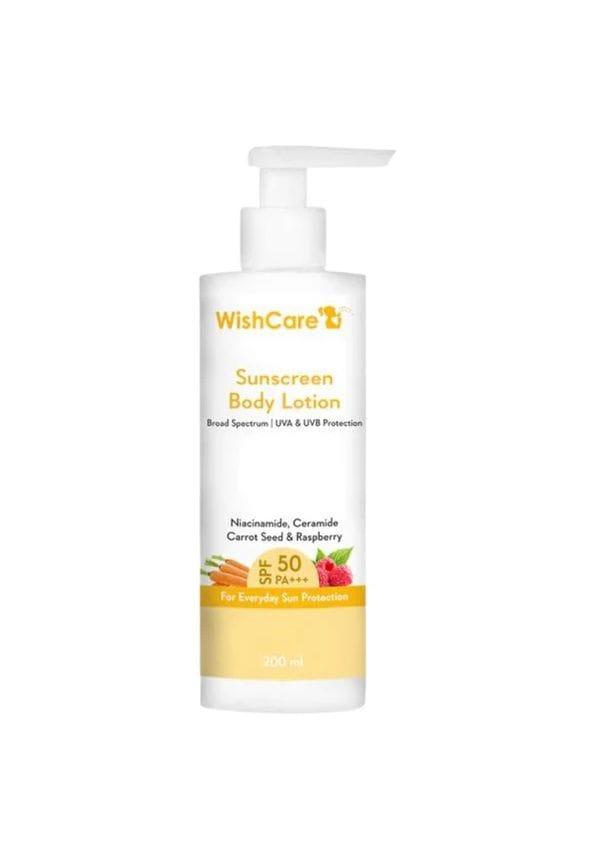
SPF50 Sunscreen Body Lotion - Broad Spectrum - UVA & UVB Protection
The visible signs of UVA damage include premature wrinkles, particularly around the eyes and mouth where skin is thinnest. You'll notice loss of skin elasticity, leading to sagging and a leathery texture. Hyperpigmentation is another hallmark of UVA damage - those brown spots and uneven skin tone that seem to appear overnight are actually years of cumulative exposure coming to the surface. UVA rays also contribute to skin cancer development, though they're more associated with melanoma than the more common basal and squamous cell carcinomas.
Whilst UVA works in stealth mode, UVB announces its presence loud and clear. This high-energy radiation causes immediate, visible damage that serves as your skin's alarm system.
UVB rays directly damage DNA in your skin's surface cells, causing the characteristic inflammatory response we know as sunburn. This isn't just surface redness - it's your skin's emergency response to cellular damage. The burning sensation, swelling, and eventual peeling are all part of your body's attempt to repair and remove damaged cells. This immediate response actually serves as a protective mechanism, forcing you to seek shade before deeper damage occurs.
Beyond sunburn, UVB exposure is the primary cause of most skin cancers, including basal cell carcinoma and squamous cell carcinoma. These rays can also cause photokeratitis - essentially sunburn of the eyes - leading to pain, tearing, and temporary vision problems. Interestingly, UVB exposure isn't entirely negative; it's essential for vitamin D synthesis in your skin, which is why moderate, protected sun exposure can be beneficial.
The question of which ray type causes more damage isn't straightforward because they operate through completely different mechanisms and timelines.
UVB rays cause immediate, acute damage that's visible and painful, serving as a natural warning system. However, UVA rays cause cumulative damage that builds silently over decades. From a cancer perspective, UVB is responsible for most skin cancers due to its direct DNA-damaging effects. But UVA contributes significantly to melanoma development and is the primary culprit behind premature ageing. Think of UVB as the immediate threat and UVA as the long-term saboteur.
Your skin's response to UVA versus UVB depends largely on your natural melanin content. Fair skin types burn quickly from UVB exposure but may not notice UVA damage until years later. Darker skin types have more natural protection against UVB burning but are still vulnerable to UVA's deep penetration and long-term effects. Geographic location also plays a role - those living closer to the equator face higher year-round UVA exposure.
SPF50 Sunscreen Body Lotion - Broad Spectrum - UVA & UVB Protection
Effective sun protection requires understanding that you need defence against both types of radiation, not just the one that causes burning.
Look for broad-spectrum sunscreen that specifically mentions UVA protection alongside the familiar SPF rating, which only measures UVB protection. In India, seek products with PA ratings (PA+, PA++, PA+++) which indicate UVA protection levels. Chemical sunscreens containing avobenzone, zinc oxide, or titanium dioxide provide excellent broad-spectrum coverage. Physical sunscreens with zinc oxide and titanium dioxide create a barrier that reflects both UVA and UVB rays. Apply generously - most people use only 25% of the recommended amount, significantly reducing protection.
Sunscreen alone isn't enough for comprehensive protection. Seek shade during peak UV hours (10 AM to 4 PM), especially when the UV index reaches 7 or higher. Wear tightly woven clothing that covers arms and legs, and don't forget a wide-brimmed hat and UV-blocking sunglasses. Remember that UVA rays penetrate glass, so consider UV-protective window films for your car and home if you spend long hours near windows.
Incorporate antioxidants like vitamin C, niacinamide, and vitamin E into your routine to help neutralise free radicals caused by UV exposure. These ingredients work synergistically with sunscreen to provide additional protection. Post-sun exposure, look for ingredients like aloe vera, hyaluronic acid, and ceramides to help repair and hydrate damaged skin.
Understanding the UV index helps you plan appropriate protection levels for different conditions and activities.
The UV index ranges from 0 to 11+, with higher numbers indicating greater UV intensity. At UV 7, considered high intensity, fair skin can begin tanning in about 10 minutes but risks burning in under 15 minutes without protection. Medium skin tones might tan in 15-25 minutes, whilst darker skin types have more natural protection but still need sunscreen for optimal defence. Many weather apps now include real-time UV index readings, making it easier to plan your protection strategy.
Certain conditions require extra vigilance with UV protection. Lupus patients are particularly UV-sensitive, as exposure can trigger flares and worsen both skin and systemic symptoms. Many medications, including some antibiotics and acne treatments, increase photosensitivity. Children and elderly individuals need special attention, as their skin is more vulnerable to UV damage.
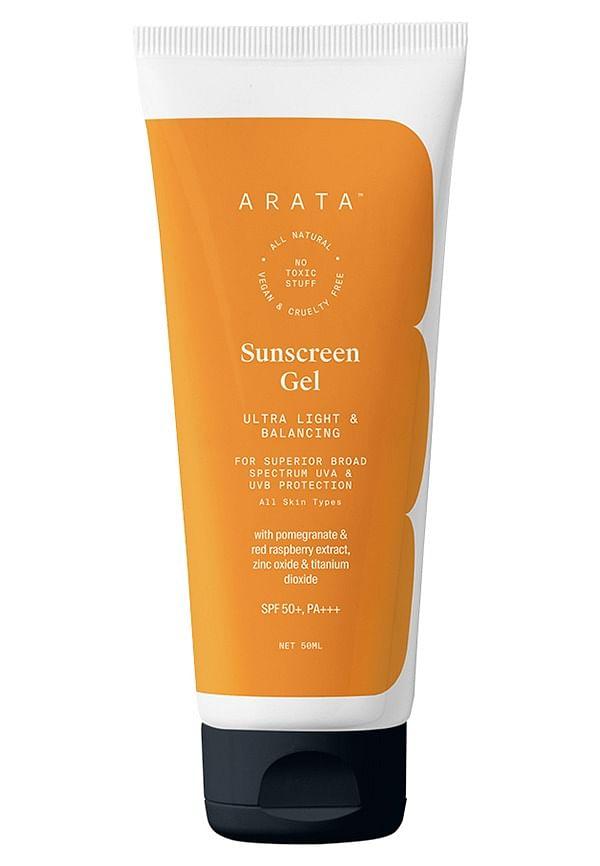
Sunscreen Gel, Ultra Light & Balancing, For Broad Spectrum Uva & Uvb Protection
Both cause significant damage through different mechanisms. UVA rays penetrate deeper and cause long-term ageing and DNA damage, whilst UVB rays have higher energy and cause immediate sunburn and most skin cancers. UVA is responsible for 95% of UV exposure and cumulative damage, whilst UVB creates acute, visible damage that serves as a warning system.
This refers to the proportion of UV radiation reaching Earth's surface after atmospheric filtering. UVA makes up 95% of UV exposure with lower energy but deeper skin penetration, whilst UVB comprises only 5% but has much higher energy levels that cause immediate surface damage.
Yes, UV 7 is high intensity where fair skin can begin tanning in 10 minutes but risks sunburn in under 15 minutes without protection. Medium skin tones may tan in 15-25 minutes, whilst darker skin has more natural protection but still benefits from sunscreen. Remember that tanning is actually a sign of DNA damage.
UVC radiation is completely filtered by Earth's atmosphere and doesn't reach the surface. UVB comprises 5% of surface UV radiation and causes sunburn and surface damage. UVA makes up 95% of UV exposure and penetrates deeper, causing ageing and long-term damage.
Yes, UV exposure can trigger lupus flares, worsen skin symptoms, and activate systemic symptoms including joint pain and organ involvement. Lupus patients need strict sun protection with broad-spectrum sunscreen, protective clothing, and shade-seeking behaviour.
Use broad-spectrum sunscreen with both SPF (UVB protection) and PA ratings (UVA protection). Reapply every two hours, seek shade during peak hours, wear protective clothing, and incorporate antioxidants into your skincare routine for additional defence against free radical damage.
Understanding the difference between UVA and UVB rays transforms how you approach sun protection. UVA's silent, cumulative damage and UVB's immediate effects both require respect and protection. The key is consistent, broad-spectrum defence that addresses both types of radiation. Your skin will notice the difference when you protect against both the visible threat of UVB burning and the invisible danger of UVA ageing.
Building an effective sun protection routine involves more than just applying sunscreen - it's about understanding UV patterns, choosing the right products, and making protection a daily habit. Whether you're dealing with post-summer hyperpigmentation or trying to prevent future damage, the right approach makes all the difference. If you're curious about trying different sunscreen formulations or antioxidant serums before committing to full sizes, platforms like Smytten let you explore minis from trusted brands, making it easier to find products that work for your skin and lifestyle.
