Iron Deficiency & Dull Skin in Indian Women: FAQ


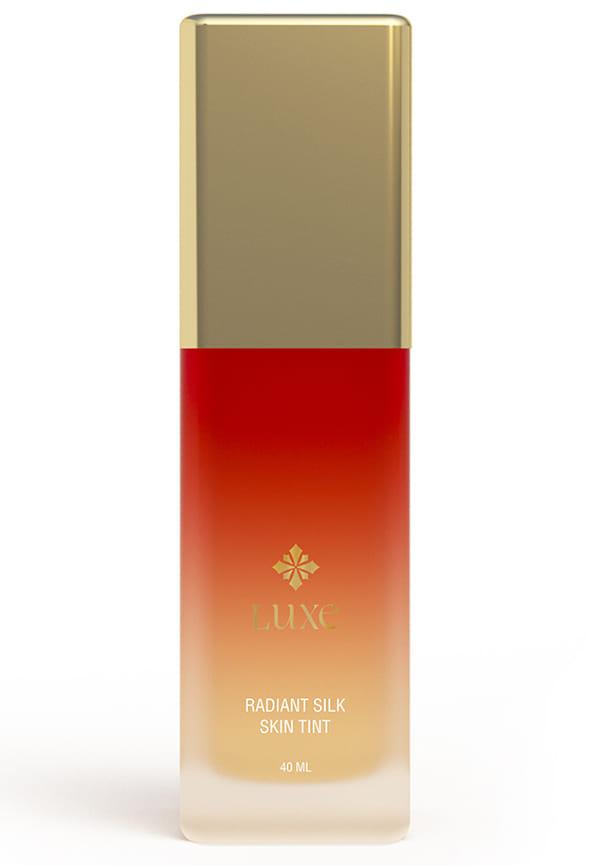
Luxe Radiant Silk Skin Tint
You've been staring at your reflection, wondering why your skin looks so tired lately. Despite your skincare routine, that healthy glow seems to have vanished, leaving behind a dull, pale complexion that no amount of highlighter can fix. If you're an Indian woman experiencing this frustrating skin concern, you might be surprised to learn that the culprit could be hiding in your blood work rather than your beauty cabinet.
The relationship between iron deficiency and dull skin is more direct than most people realise. When your body lacks adequate iron, it struggles to produce enough healthy red blood cells—a condition called iron deficiency anaemia. These red blood cells are responsible for carrying oxygen throughout your body, including to your skin cells.
Without sufficient oxygen delivery, your skin cells can't function optimally. This leads to slower cell turnover, reduced collagen production, and that telltale dull, lacklustre appearance that no skincare product seems to address.
Haemoglobin, the iron-rich protein in red blood cells, gives blood its red colour and your skin its healthy pink undertones. When iron levels drop, haemoglobin production decreases, resulting in paler blood and consequently, paler skin. Your complexion may appear ashy, yellowish, or simply lack that natural radiance you once had.
Iron also plays a crucial role in collagen synthesis. Without adequate iron, your skin's ability to repair and regenerate itself slows down significantly, contributing to that tired, aged appearance that seems to appear overnight.
The most obvious sign is a noticeable change in your complexion's vibrancy. Your skin may look washed out, particularly around your face, lips, and lower eyelids. Many women notice their usual foundation shade suddenly looks too dark, or that they need more concealer to achieve the same coverage they used to get effortlessly.
Here's a sobering fact: approximately 70% of Indian women suffer from iron deficiency anaemia. This isn't just a number—it represents millions of women experiencing unexplained fatigue, hair loss, and yes, persistently dull skin despite their best skincare efforts.
The prevalence is particularly high among women aged 18-35, coinciding with peak reproductive years when iron demands are highest. This means if you're reading this and recognising these symptoms, you're certainly not alone.
Several factors contribute to this widespread deficiency. Traditional Indian diets, whilst rich in many nutrients, often rely heavily on plant-based iron sources, which are less easily absorbed than iron from meat sources. Additionally, common foods like tea and coffee, consumed frequently throughout the day, can inhibit iron absorption when taken with meals.
Menstrual blood loss compounds the problem, with many women losing significant iron each month without adequate dietary replacement. Cultural practices around food preparation and eating habits can also impact iron absorption rates.
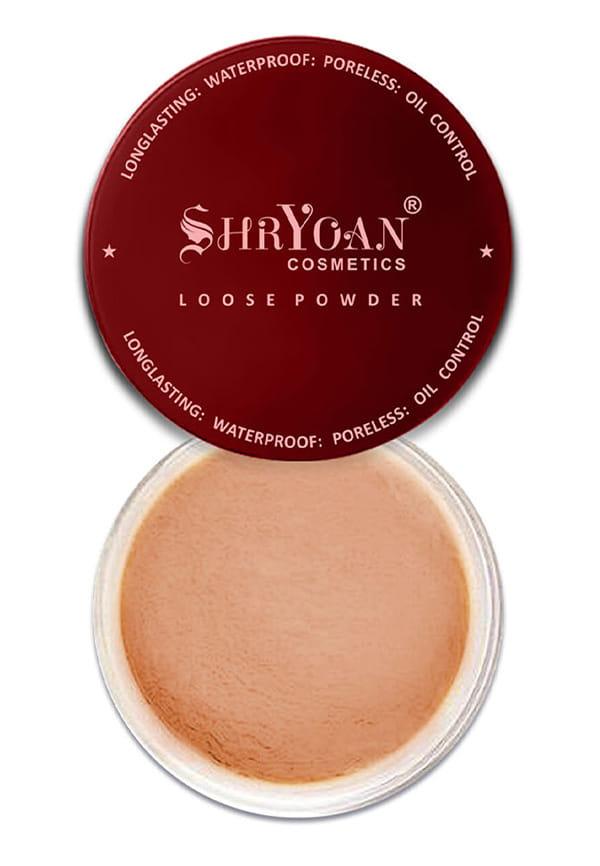
Loose Highlighting Complexion Powder
Whilst skin problems from iron deficiency might be what brought you here, other symptoms often accompany the skin changes. Persistent fatigue that doesn't improve with rest, unusual hair loss, brittle or spoon-shaped nails, and feeling cold even in warm weather are all common indicators.
Many women also experience rapid heartbeat during mild exertion, difficulty concentrating, and irritability—symptoms that are often dismissed as stress or busy lifestyles.
Beyond the obvious symptoms, iron deficiency can manifest in some rather unexpected ways. These unusual signs often go unrecognised, leading to delayed diagnosis and treatment.
One of the strangest symptoms is developing cravings for ice, starch, or other non-food items—a condition called pica. You might find yourself constantly chewing ice cubes or craving cornstarch without understanding why.
Restless leg syndrome, where you feel an irresistible urge to move your legs, particularly at night, is another surprising indicator. Your fingernails might develop a spoon-like shape, curving inward rather than maintaining their normal curve.
Not all dull skin stems from iron deficiency, which is why proper identification is crucial. Dehydration, vitamin D deficiency, poor sleep, and hormonal changes can all contribute to lacklustre skin.
Iron-deficiency-related dull skin typically appears alongside other systemic symptoms. If your skin dullness coincides with fatigue, cold sensitivity, and changes in your nails or hair, iron deficiency becomes a more likely culprit than simple skincare concerns.
The pallor from iron deficiency tends to be most noticeable in areas where blood vessels are close to the surface—your inner eyelids, gums, and nail beds. A simple self-check involves pulling down your lower eyelid; if the inner rim appears very pale rather than pink or red, this could indicate anaemia.
Interestingly, whilst most people associate iron deficiency with pale skin, some individuals may experience darker pigmentation in certain areas. This can occur as the body attempts to compensate for reduced oxygen delivery, though pallor remains the more common presentation.
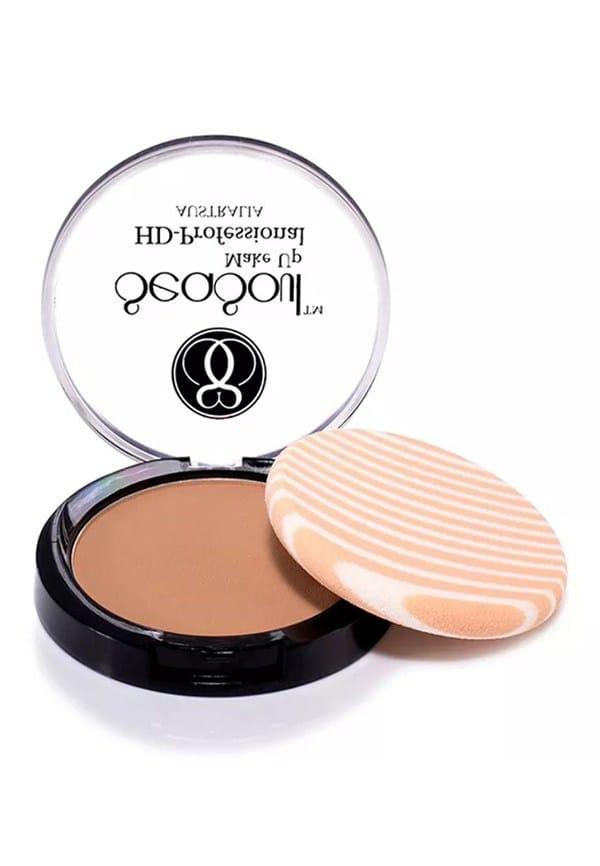
Mineralize Dual Fix Compact
The good news is that dietary changes can significantly impact both your iron levels and skin health. A well-planned healthy skin diet rich in iron can help restore that natural glow you've been missing.
For vegetarian diets, focus on foods for glowing skin that are also iron-rich: spinach, lentils, chickpeas, sesame seeds, and jaggery. Dark leafy greens like methi and amaranth are excellent choices. Combine these with vitamin C-rich foods like citrus fruits, tomatoes, or bell peppers to enhance iron absorption.
If you include non-vegetarian options, lean meats, fish, and poultry provide highly absorbable heme iron. Even small amounts can significantly boost your iron intake.
Timing matters when it comes to iron absorption. Avoid drinking tea or coffee with iron-rich meals, as tannins can block absorption. Instead, have these beverages between meals. Cooking in cast iron pans can also add small amounts of iron to your food.
Include foods rich in folate and vitamin B12, as these nutrients work alongside iron to support healthy red blood cell production. Think whole grains, eggs, and dairy products.
Sometimes dietary changes alone aren't sufficient, particularly if your deficiency is severe. This is where iron supplements for skin health become necessary.
Before starting any supplementation, it's crucial to get proper blood work done. Your doctor will typically check your haemoglobin levels, serum ferritin, and other markers to determine the severity of your deficiency and the appropriate treatment approach.
Iron supplements come in various forms—ferrous sulfate, ferrous gluconate, and ferrous fumarate being the most common. Your healthcare provider will recommend the best option based on your specific needs and tolerance levels.
Whilst addressing iron deficiency internally, you can support your skin externally with gentle, nourishing products. Skincare for anaemia should focus on hydration and protection rather than harsh active ingredients that might irritate already compromised skin.
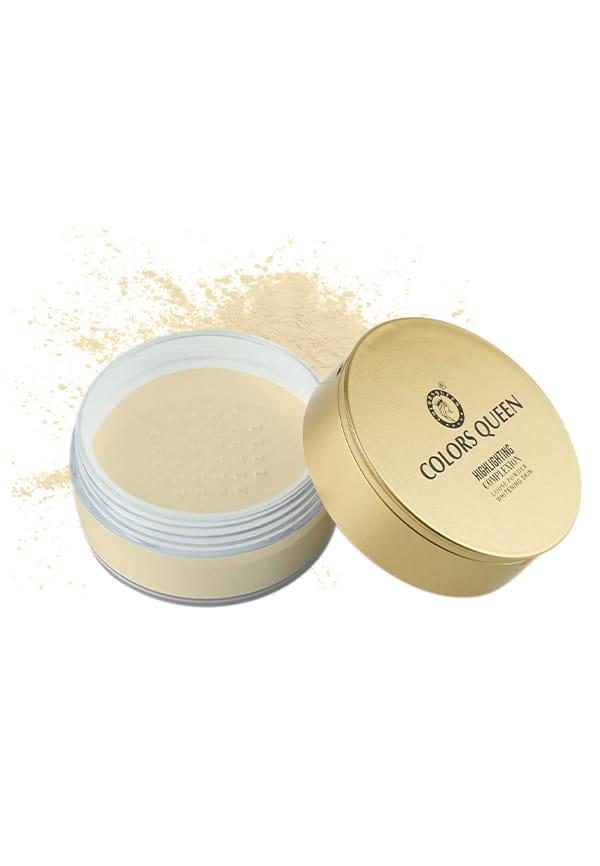
Highlighting Complexion Loose Powder + Compact Powder
Look for products containing niacinamide, which can help improve skin texture and radiance, and gentle peptides that support skin repair without irritation.
Yes, iron deficiency directly impacts skin appearance by reducing oxygen delivery to skin cells and affecting collagen production. This results in a dull, pale complexion that lacks natural radiance. The effect is particularly noticeable in areas where blood vessels are close to the surface.
The most concerning signs include severe fatigue that doesn't improve with rest, rapid heartbeat during minimal exertion, extremely pale skin and gums, difficulty concentrating, and unusual cravings for ice or non-food items. These symptoms indicate that iron deficiency has progressed to anaemia and requires immediate medical attention.
With proper treatment, you may notice initial improvements in energy levels within 2-4 weeks. However, skin changes typically take 2-3 months to become apparent, as this is how long it takes for new, healthier red blood cells to circulate and for skin cell turnover to reflect improved oxygen delivery.
Whilst pallor is more common, some people may develop darker pigmentation in certain areas as the body attempts to compensate for reduced oxygen delivery. However, if you're noticing new dark patches, it's important to consult a healthcare provider to rule out other conditions.
Iron supplements should only be used under medical supervision, as too much iron can be harmful. Regular monitoring through blood tests ensures you're taking the right amount and can stop supplementation once your levels normalise. Never self-prescribe iron supplements without proper testing.
Understanding the connection between iron deficiency and dull skin is the first step towards reclaiming your natural glow. If you recognise these symptoms, don't dismiss them as simply needing better skincare products—your body might be telling you something more fundamental needs attention.
The journey to healthier skin often starts from within, and addressing nutritional deficiencies can be more transformative than any topical treatment. While you're working on improving your iron levels, remember that Smytten's curated selection includes gentle, nourishing skincare products that can support your skin during recovery. With over 28 million users discovering products that work for their unique needs, you can explore options that complement your internal health journey.
Remember, achieving healthy, glowing skin is rarely about finding one miracle product—it's about understanding your body's needs and addressing them holistically. Your skin will thank you for taking this comprehensive approach to wellness.
