Indian Skin Sweating in Summer: Your FAQ Answered

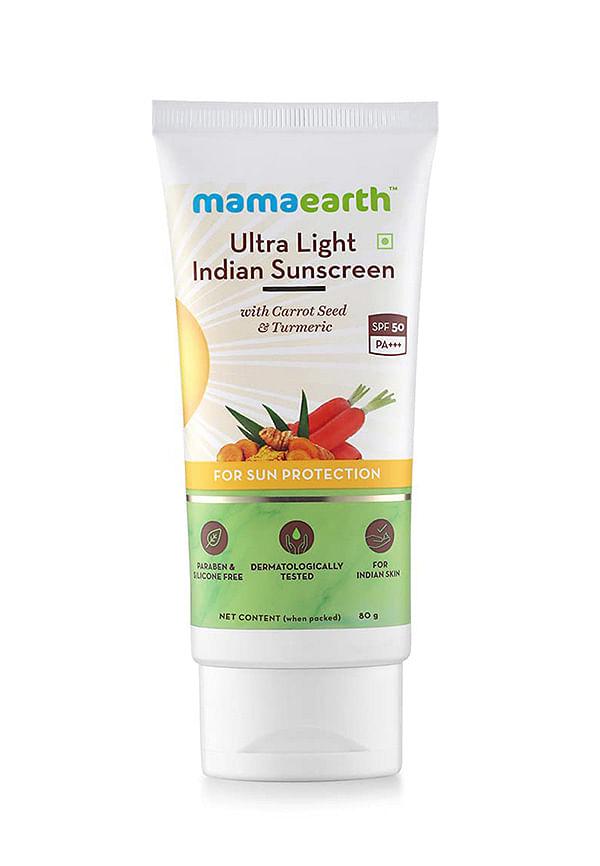
Ultra Light indian Sunscreen
Picture this: it's 2 PM on a scorching Delhi afternoon, and you've just stepped out of an air-conditioned office. Within minutes, your face feels like it's melting, and you can practically see your pores opening up to release what feels like rivers of sweat. If you're nodding along, you're not alone. Indian skin sweating during summer is a universal experience, but understanding why it happens and what it does to your pores can help you manage it better. Let's dive into the science behind those sticky summer days and discover practical solutions that actually work for our climate.
Why does it feel like Indian skin sweats more than anywhere else in the world? The answer lies in our unique climate cocktail. India's summers aren't just hot—they're a perfect storm of excessive sweating summer conditions that push our skin's cooling system into overdrive. Our country experiences what dermatologists call a "high humidity-high temperature combination" that's particularly challenging for skin. When humidity levels soar above 70% (common in cities like Mumbai and Chennai), your sweat doesn't evaporate efficiently. Instead, it sits on your skin, creating that sticky, uncomfortable feeling we all know too well. Meanwhile, temperatures regularly cross 40°C in northern states, forcing your body to produce even more sweat to cool down. Genetically, many Indians have more active sweat glands compared to people from temperate climates. This evolutionary adaptation helped our ancestors survive in tropical conditions, but it means we naturally produce more sweat when temperatures rise. Add to this the fact that Indian cities often have poor air circulation due to dense construction, and you've got a recipe for serious summer skincare Indian skin challenges. Regional variations also play a role. Coastal areas like Goa deal with constant humidity, while desert regions like Rajasthan face dry heat that can be equally taxing on skin. Each climate type affects how your skin behaves, but the common thread is increased sweat production during the warmer months.
Here's what's actually happening to your skin when the mercury rises: heat and skin problems start with your pores' natural response to temperature changes. When it's hot, your pores don't actually get bigger—they appear larger because the heat causes the skin around them to expand slightly, making the openings more visible. Simultaneously, your sebaceous glands go into overdrive. Heat stimulates these oil-producing glands to create more sebum, which mixes with sweat to create that greasy feeling on your skin. This combination of increased oil and sweat can lead to large pores Indian skin concerns, especially if you're already prone to oily skin. The composition of sweat itself plays a crucial role in sweat and pores interaction. Your sweat contains water, salt, urea, and trace amounts of minerals. While this mixture is generally harmless, when it sits on your skin for extended periods (thanks to high humidity), it can mix with dead skin cells and bacteria, potentially clogging your pores. What makes Indian summers particularly challenging is the pollution factor. Cities like Delhi and Mumbai have high levels of particulate matter that can stick to sweaty skin, creating an additional layer of grime that needs to be properly cleansed away.
Not all skin types react the same way to Indian summers. If you have oily skin summer becomes your biggest nemesis. The combination of natural oil production plus increased sweat creates the perfect environment for clogged pores and breakouts. You might notice your T-zone becoming particularly problematic during peak summer months. Surprisingly, even dry skin faces challenges during Indian summers. While you might not produce as much oil, the constant sweating can disrupt your skin's natural barrier, leading to irritation and unexpected pore issues. The key is understanding that dry skin still sweats—it just handles the aftermath differently. Combination skin requires the most nuanced approach. Your oily T-zone might be producing excess sebum while your cheeks remain relatively normal, creating different needs across your face.
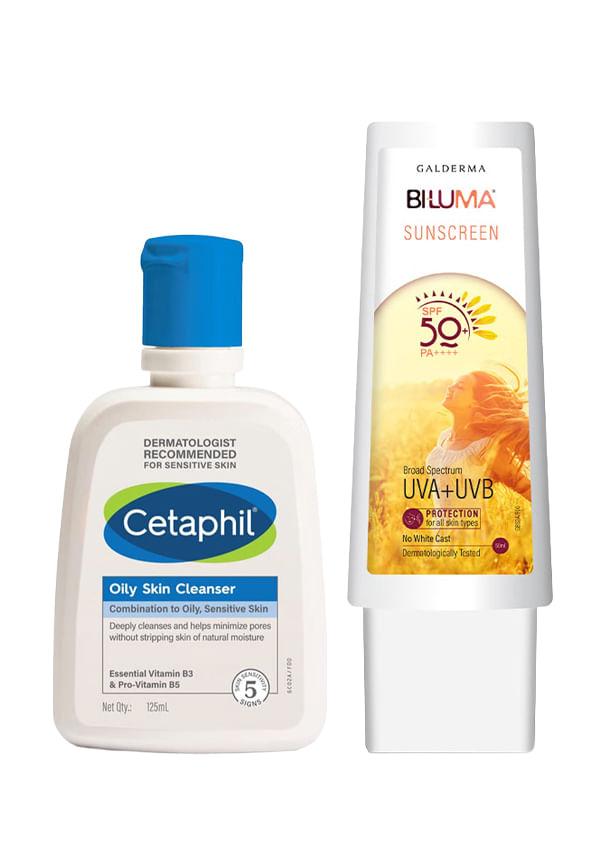
Sensitive Skin Summer Protection
Let's address the elephant in the room: is sweating actually good for your skin? The answer isn't straightforward. Sweat effects on skin can be both beneficial and problematic, depending on how you manage it. On the positive side, sweating does provide some natural benefits. When you sweat, you're essentially giving your pores a gentle flush. The process can help remove some trapped debris and dead skin cells. Some people report that their skin looks clearer after a good workout session, and there's science behind this—moderate sweating can help maintain healthy pore function. However, the problems arise when sweat lingers on your skin. Extended contact with sweat can lead to bacterial growth, particularly in areas where skin folds create warm, moist environments. This is why you might notice breakouts along your hairline, jawline, or chest after particularly sweaty days. The timing factor is crucial here. Fresh sweat that's quickly cleansed away can be beneficial, while sweat that sits on your skin for hours becomes problematic. This is particularly relevant for those working in non-air-conditioned environments or commuting in Indian traffic.
Recognising heat and skin problems early can help you address them before they become serious concerns. Sweat pimples, also known as heat bumps, are small, red bumps that appear when sweat ducts become blocked. They're different from regular acne and usually appear on areas where you sweat the most—your back, chest, and forehead. Clogged pores and blackheads become more common during summer because the combination of sweat, oil, and environmental pollutants creates the perfect storm for pore blockages. You might notice more blackheads appearing on your nose and chin during peak summer months. Heat rash presents as small, itchy bumps and is particularly common in areas where clothing rubs against sweaty skin. It's important to distinguish this from other skin conditions, as the treatment approach differs. Bacterial and fungal infections thrive in warm, moist environments. If you notice persistent itching, unusual odours, or skin discolouration in areas where you sweat heavily, it might be time to consult a dermatologist. Hyperpigmentation can also result from heat and sweat exposure, particularly if you're scratching irritated areas or if sweat is mixing with certain skincare products.
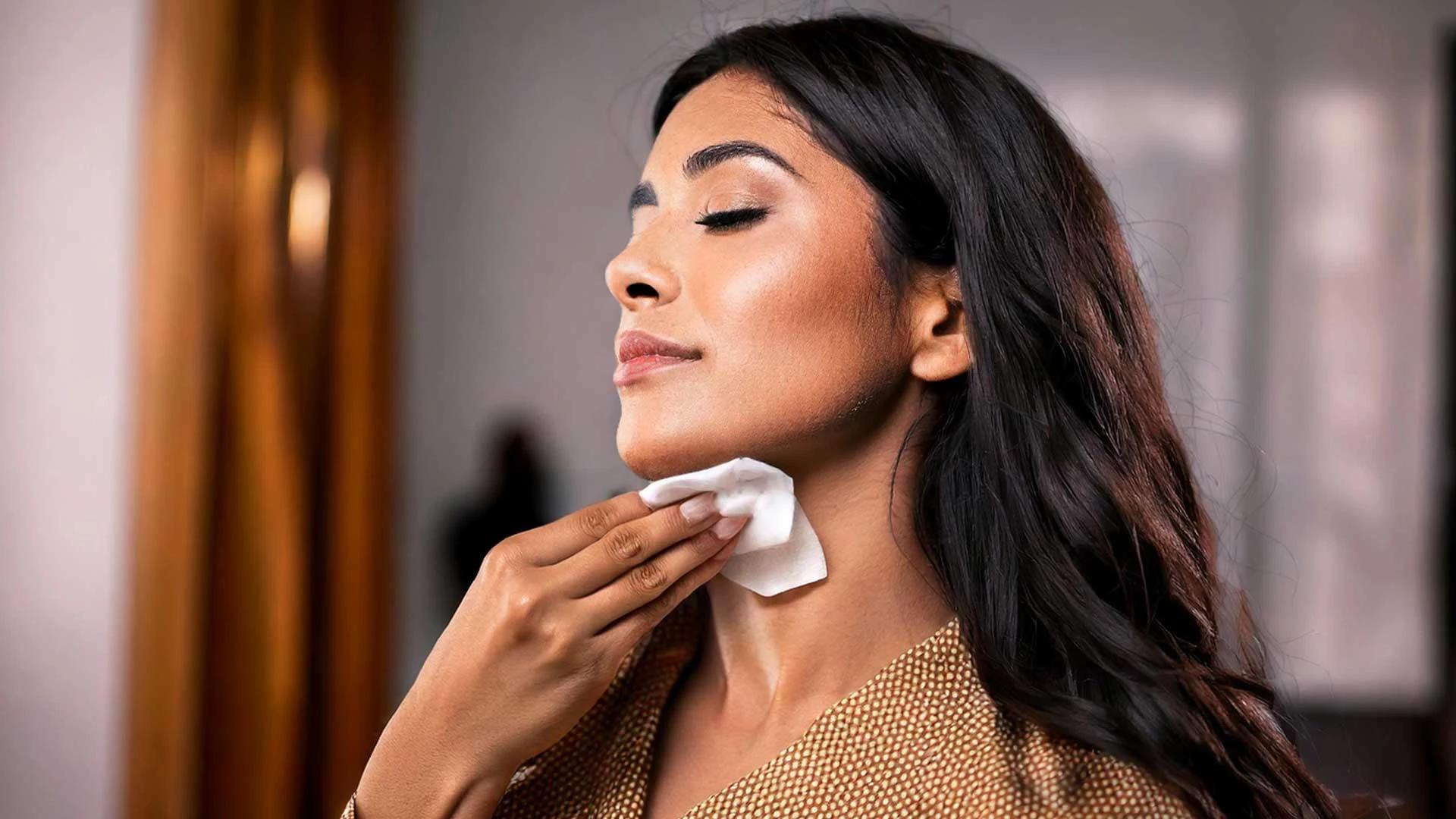
Managing skincare for sweaty skin requires a multi-pronged approach that addresses both immediate relief and long-term skin health. The good news is that with the right strategies, you can maintain healthy skin even during the most challenging summer months. For immediate relief, cool water can provide temporary pore tightening and instant comfort. While it won't permanently change your pore size, the cooling effect can help reduce the appearance of enlarged pores and provide psychological relief from the heat. Proper cleansing becomes non-negotiable during summer. You might need to cleanse twice daily—once in the morning to prep your skin and once in the evening to remove the day's accumulation of sweat, oil, and pollutants. Look for gentle, niacinamide-based cleansers that can help regulate oil production without stripping your skin. When it comes to removing sweat throughout the day, blotting is better than wiping. Gentle blotting with a clean tissue or blotting paper removes excess moisture without disturbing your skin's surface or spreading bacteria around. Your morning routine should focus on protection and oil control. A lightweight moisturiser followed by SPF is essential, even if you're staying indoors. Air conditioning can be dehydrating, so don't skip the moisturiser entirely. Midday maintenance might involve a quick face mist or gentle blotting, especially if you work outdoors or commute frequently. Keep cleansing wipes handy for emergency touch-ups, but don't rely on them as your primary cleansing method. Evening routines should focus on repair and recovery. This is when you can use slightly more intensive products like AHAs or peptides to help your skin recover from the day's heat exposure. Lifestyle modifications can significantly impact how to reduce sweating naturally. Staying hydrated helps your body regulate temperature more efficiently, potentially reducing excessive sweating. Choose breathable, natural fabrics like cotton that allow air circulation. Certain foods like spicy dishes, caffeine, and alcohol can increase sweating, so consider moderating these during peak summer months.
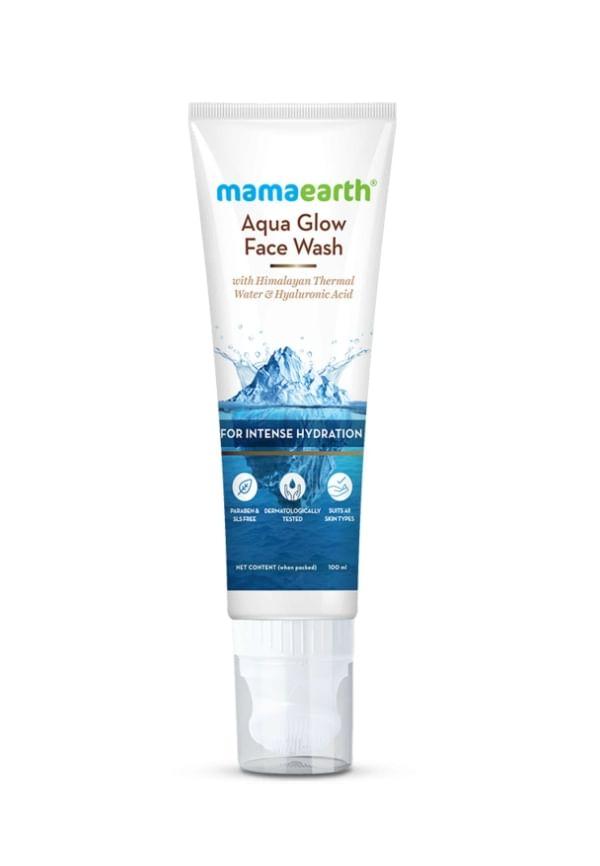
Aqua Glow Face Wash With Himalayan Thermal Water and Hyaluronic Acid
Sweating has both positive and negative effects on your pores. Fresh sweat can help flush out some debris and dead skin cells, acting like a natural pore cleanser. However, when sweat sits on your skin for extended periods, especially in India's humid climate, it can mix with oil and bacteria to clog pores. The key is timing—quick removal of sweat through gentle cleansing maximises benefits while minimising problems.
Pores don't actually change size, but they appear larger in hot weather due to several factors. Heat causes slight skin expansion, making pore openings more visible. Additionally, increased oil production and sweat can make pores look more prominent. This effect is temporary, and pores return to their normal appearance once your skin cools down and excess oil is properly cleansed away.
Cold water provides temporary pore tightening by causing the skin to contract slightly. While this effect is temporary and doesn't permanently change pore size, it can provide immediate relief and make pores appear smaller for a short period. Cold water is particularly refreshing during Indian summers and can help reduce inflammation if your skin is irritated from heat exposure.
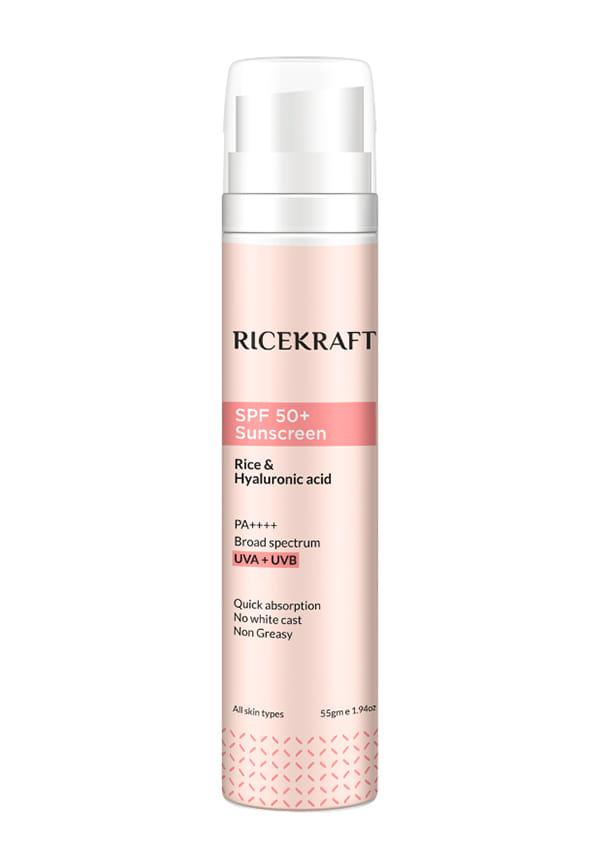
SPF 50+ Korean Sunscreen with Rice & Hyaluronic Acid,cPA++++ Protection
Several natural methods can help reduce excessive sweating. Staying well-hydrated helps your body regulate temperature more efficiently. Wearing loose, breathable clothing allows better air circulation. Avoiding spicy foods, caffeine, and alcohol can reduce sweat production. Regular cool showers and using fans or air conditioning when possible also help. If sweating remains excessive despite these measures, consult a dermatologist as you might have hyperhidrosis.
A good routine for sweaty Indian skin includes gentle cleansing twice daily with a salicylic acid or niacinamide-based cleanser. Use a lightweight, non-comedogenic moisturiser and always apply SPF during the day. In the evening, consider using products with AHAs to help prevent clogged pores. Keep blotting papers handy for midday touch-ups, and don't forget to cleanse immediately after heavy sweating from exercise or outdoor activities.
Sweating is a normal bodily function that indicates your cooling system is working properly. However, excessive sweating isn't necessarily a sign of better health. In India's climate, heavy sweating is often just your body's response to high temperatures and humidity. While moderate sweating during exercise is healthy, excessive sweating at rest might indicate underlying health issues and should be evaluated by a healthcare professional.
Understanding why Indian skin sweats more in summer and its effects on your pores is the first step towards better skin management. Our unique climate presents specific challenges, but with the right knowledge and consistent care, you can maintain healthy skin throughout the year. Remember that everyone's skin responds differently to heat and humidity. What works for your friend might not work for you, so be patient as you find your ideal summer skincare routine. The key is consistency and gentle care—your skin is working hard to keep you cool, so treat it with kindness. If you're curious about trying new products to help manage summer skin concerns, Smytten offers an excellent way to test different formulations before committing to full sizes. With access to trusted brands and the ability to try minis first, you can discover what works best for your skin without the guesswork. After all, finding the right summer skincare routine shouldn't be a gamble—it should be a confident choice based on what your skin actually needs.
