How Licorice Root Extract Fades Dark Spots on Indian Skin


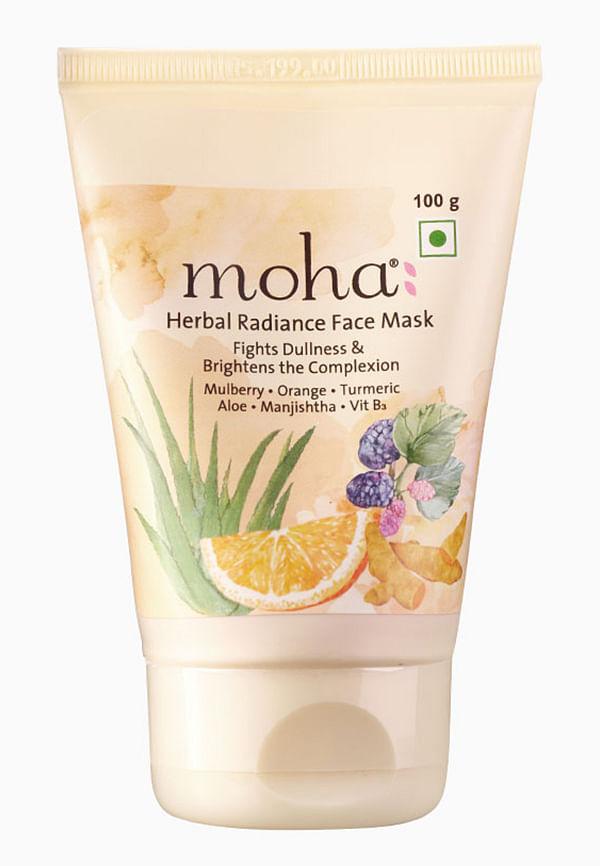
Herbal Radiance Facemask - For Brightness
You've noticed those stubborn dark spots that seem to appear overnight but take forever to fade. Whether it's from that summer breakout that left its mark or the melasma that crept in during monsoon season, hyperpigmentation on Indian skin can feel particularly persistent. The good news? There's a gentle, natural ingredient that's been quietly working wonders for centuries - licorice root extract. Unlike harsh chemical bleaching agents that can irritate melanin-rich skin, this botanical powerhouse offers a kinder approach to achieving that even, radiant complexion you're after.
Indian skin has its own unique relationship with pigmentation, and understanding this is key to treating it effectively. Our naturally higher melanin content, whilst offering excellent protection against UV damage, also means we're more prone to developing dark spots when our skin gets triggered.
The reality is that Indian skin pigmentation responds differently to treatments compared to lighter skin tones. What works brilliantly for your friend with fair skin might leave you with irritation or, worse, more pigmentation. This is where understanding your skin's specific needs becomes crucial.
Your skin's melanocytes (pigment-producing cells) are naturally more active, which means they react quickly to inflammation, sun exposure, or hormonal changes. Even minor triggers like a small pimple or a mosquito bite can leave behind a dark mark that lingers for months. Environmental factors like pollution, humidity, and intense UV exposure in Indian climates further compound this tendency.
Not all dark spots are created equal. Post-inflammatory hyperpigmentation from acne is incredibly common, showing up as brown or black marks where breakouts once were. Melasma appears as symmetrical patches, often triggered by hormonal changes or sun exposure. Then there are age spots and general sun damage that accumulate over time, creating an uneven skin tone that can make you look older than you feel.
Licorice root extract isn't just another trendy ingredient - it's been used in traditional medicine for over 4,000 years. The magic lies in its active compounds, particularly glabridin, which works as a natural tyrosinase inhibitor. Think of tyrosinase as the enzyme that tells your skin to produce melanin. By gently blocking this signal, licorice root extract helps prevent new dark spots from forming whilst gradually fading existing ones.
What makes this ingredient particularly exciting for skin brightening is its multi-pronged approach. It doesn't just target pigmentation - it also calms inflammation and provides antioxidant protection, addressing the root causes that lead to dark spots in the first place.
The key players in licorice root are glabridin, liquiritin, and glycyrrhizin. Glabridin is the star performer, inhibiting tyrosinase activity by up to 50% in some studies. Liquiritin works as a gentle exfoliant, helping to disperse existing melanin, whilst glycyrrhizin provides anti-inflammatory benefits that prevent new pigmentation from forming.
Unlike harsh chemical treatments that can strip or irritate your skin, licorice root extract benefits include gentle yet effective action. It's particularly brilliant for sensitive skin types who've had bad experiences with stronger treatments. The anti-inflammatory properties mean you're less likely to experience the redness or peeling that often comes with other brightening ingredients.
Here's where things get really interesting for Indian skin types. Licorice for hyperpigmentation works particularly well because it respects your skin's natural melanin production rather than trying to suppress it completely. This means you get gradual, natural-looking results without the risk of patchy lightening or rebound pigmentation.
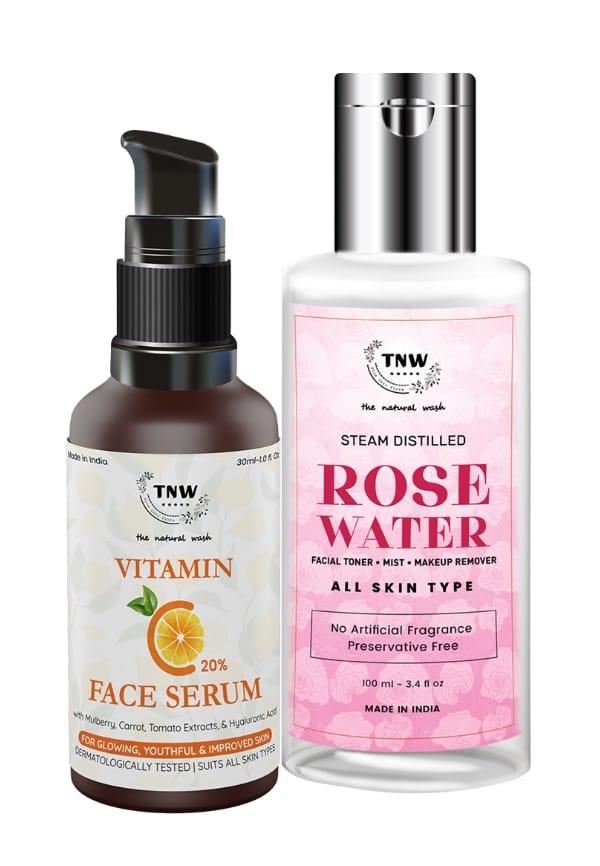
Steam Distilled Rose Water with Vitamin C Serum Reduce hyperpigmentation & Dark Spots
The gentle nature of this ingredient makes it ideal for the reactive tendencies of Indian skin. Where stronger treatments might trigger more inflammation (and therefore more pigmentation), licorice root extract actually calms your skin whilst working on existing dark spots.
The beauty of licorice skin lightening lies in its preventative approach. By inhibiting tyrosinase activity, it stops the cascade that leads to excess melanin production. This means that whilst your existing dark spots are gradually fading, new ones are less likely to form - even when your skin faces triggers like breakouts or sun exposure.
Indian skin often requires a delicate balance - effective enough to tackle stubborn pigmentation, gentle enough not to cause irritation. Licorice root extract hits this sweet spot perfectly. It's compatible with higher melanin content and works with your skin's natural processes rather than against them.
The versatility of licorice root extract means you can incorporate it into your routine in several ways. Whether you prefer DIY treatments or ready-made products, consistency is key to seeing results. Start slowly and build up frequency as your skin adjusts.
For best results, use natural remedies for dark spots containing licorice extract in the evening, as this gives the ingredient time to work without interference from sun exposure or daily environmental stressors.
Mix licorice root powder with rose water to create a gentle paste. Apply to clean skin for 15-20 minutes before rinsing off. For enhanced benefits, combine with a pinch of turmeric or a teaspoon of honey. This creates a powerful yet gentle treatment that addresses multiple skin concerns simultaneously.
Look for serums or spot treatments that list licorice root extract or glabridin in the first five ingredients. These concentrated formulations often provide more consistent results than DIY treatments. Natural skincare for dark spots has evolved significantly, with many brands now offering sophisticated formulations that combine licorice with other proven ingredients.
Always start with clean skin and apply licorice-based treatments to slightly damp skin for better absorption. Use gentle, upward motions and don't forget to extend treatment to your neck and décolletage, where dark spots often appear but are frequently overlooked.
Patience is crucial when using licorice for hyperpigmentation. Unlike harsh chemical peels that show dramatic results quickly, licorice root extract works gradually to ensure lasting, natural-looking results. This slower approach is actually beneficial for Indian skin, as it reduces the risk of irritation or rebound pigmentation.
Most people start noticing subtle improvements around the 3-4 week mark, with more significant changes becoming apparent after 8-12 weeks of consistent use. The key is maintaining realistic expectations whilst staying committed to your routine.
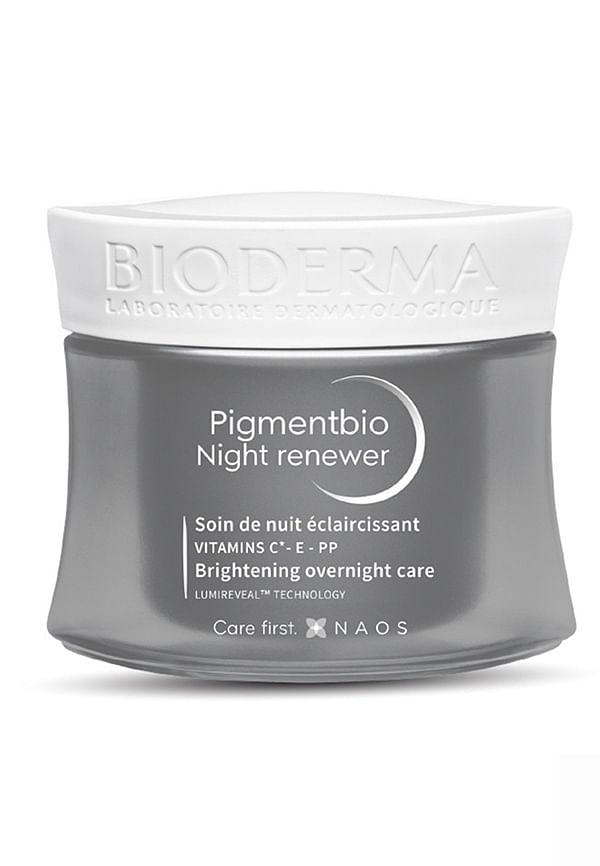
Pigmentbio Night Renewer Brightening Overnight Cream for Dark Spots, Sensitive Skin
Weeks 1-2: Your skin may feel calmer and look slightly brighter overall. Week 3-4: Dark spots begin to look less intense, and new breakouts heal without leaving marks. Weeks 6-8: Noticeable fading of existing pigmentation becomes apparent. Week 12 and beyond: Significant improvement in overall skin tone evening with continued maintenance benefits.
The depth and age of your dark spots will affect how quickly you see results. Fresh post-acne marks typically respond faster than deep-set melasma or years-old sun damage. Remember that consistency trumps intensity - regular use of gentler treatments often yields better long-term results than sporadic use of stronger ones.
The real magic happens when you combine licorice root extract with complementary ingredients. Vitamin C and licorice work beautifully together - vitamin C provides additional antioxidant protection whilst licorice ensures the combination remains gentle enough for daily use.
Niacinamide is another excellent partner, helping to regulate oil production whilst licorice tackles pigmentation. This combination is particularly effective for those dealing with both acne and the dark spots it leaves behind.
Traditional Indian ingredients like turmeric and sandalwood complement licorice beautifully. Turmeric provides additional anti-inflammatory benefits, whilst sandalwood offers cooling properties that soothe irritated skin. These combinations honour traditional skincare wisdom whilst incorporating modern understanding of active ingredients.
Whilst licorice is generally well-tolerated, avoid combining it with strong acids or retinoids initially. Build up tolerance gradually, and always patch test new combinations. If you're using prescription treatments for pigmentation, consult your dermatologist before adding licorice-based products to your routine.
Licorice root extract is considered one of the safest natural remedies for dark spots, but it's still important to use it correctly. Most people tolerate it well, but those with very sensitive skin should start with lower concentrations and build up gradually.
Pregnant and breastfeeding women should consult their healthcare provider before using licorice-based skincare products, as some compounds can be absorbed systemically.
This ingredient is suitable for most skin types, particularly those with sensitive or reactive skin who've struggled with stronger brightening treatments. It's especially beneficial for Indian skin types prone to post-inflammatory hyperpigmentation.
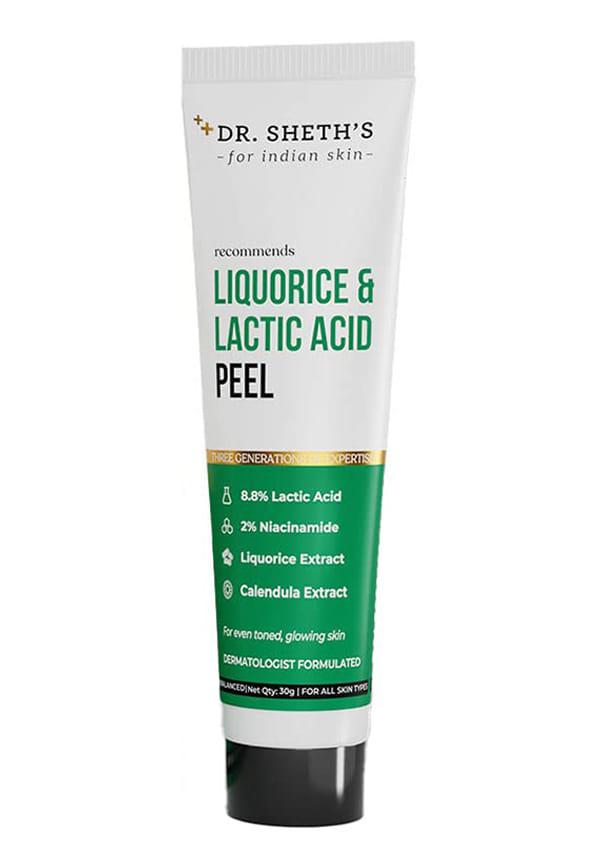
Liquorice & Lactic Acid Peel
Rare side effects include mild irritation or allergic reactions. Always patch test new products on your inner arm for 24-48 hours before applying to your face. If you experience persistent redness, itching, or worsening pigmentation, discontinue use and consult a dermatologist.
Licorice root extract can significantly fade dark spots over time by inhibiting melanin production and reducing inflammation. However, complete removal depends on factors like the depth, age, and type of pigmentation. Most people see substantial improvement with consistent use over 3-6 months.
You may notice subtle brightening within 2-3 weeks, but significant changes typically appear after 6-8 weeks of regular use. Deep pigmentation or melasma may take 3-6 months to show substantial improvement. Consistency is more important than intensity for lasting results.
Yes, licorice root extract pairs beautifully with vitamin C. This combination provides enhanced antioxidant protection and brightening benefits whilst remaining gentle enough for daily use. Apply vitamin C in the morning and licorice-based treatments in the evening for best results.
For many Indian skin types, licorice root extract offers a gentler alternative to hydroquinone with less risk of irritation or rebound pigmentation. Whilst hydroquinone may work faster, licorice provides sustainable results with fewer side effects, making it ideal for long-term use.
Early signs include reduced inflammation around existing spots, faster healing of new blemishes without dark marks, and overall skin brightness. Take photos in consistent lighting weekly to track progress, as changes are often gradual and easier to notice in comparison photos.
Whilst you can create DIY treatments using licorice root powder, commercial extracts are typically more concentrated and stable. If making your own, use high-quality organic licorice root powder and store preparations in the refrigerator for no more than a week.
Licorice root extract represents everything we love about effective, gentle skincare - it works with your skin rather than against it. For Indian skin types dealing with stubborn pigmentation, this ingredient offers hope without harsh side effects. The key is patience and consistency, allowing this botanical powerhouse to work its magic gradually.
Remember that skincare is deeply personal, and what works brilliantly for one person might need tweaking for another. Start slowly, listen to your skin, and don't be afraid to adjust your approach as you learn what your skin responds to best.
If you're curious about trying products with licorice root extract but aren't sure which formulation might work best for your skin, platforms like Smytten offer a smart way to explore different brands and concentrations through trial sizes. With over 28 million users discovering their perfect products this way, it's worth considering before committing to full-size purchases. After all, your skin deserves the perfect match, and sometimes that takes a bit of experimentation to find.
