Does Sunscreen Cause Pimples? Your FAQ Answered

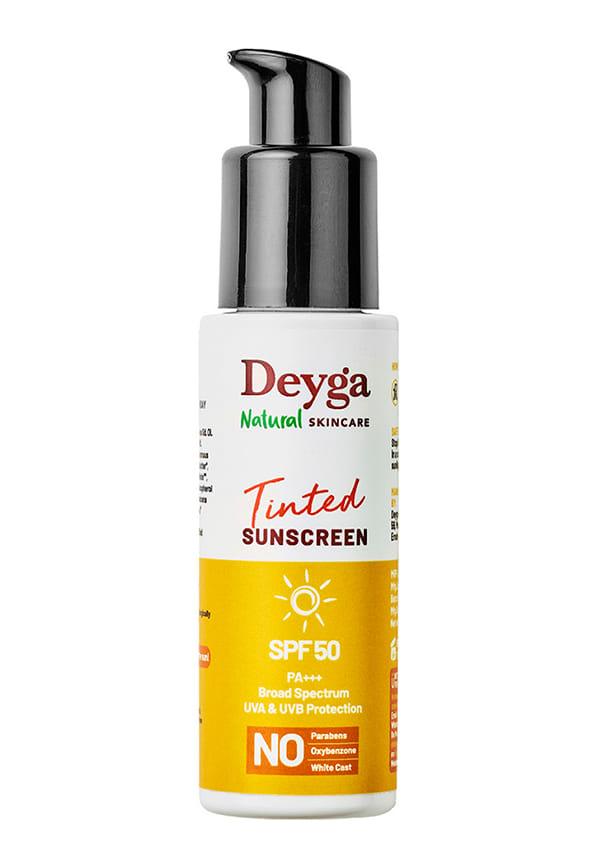
Sunscreen Spf 50
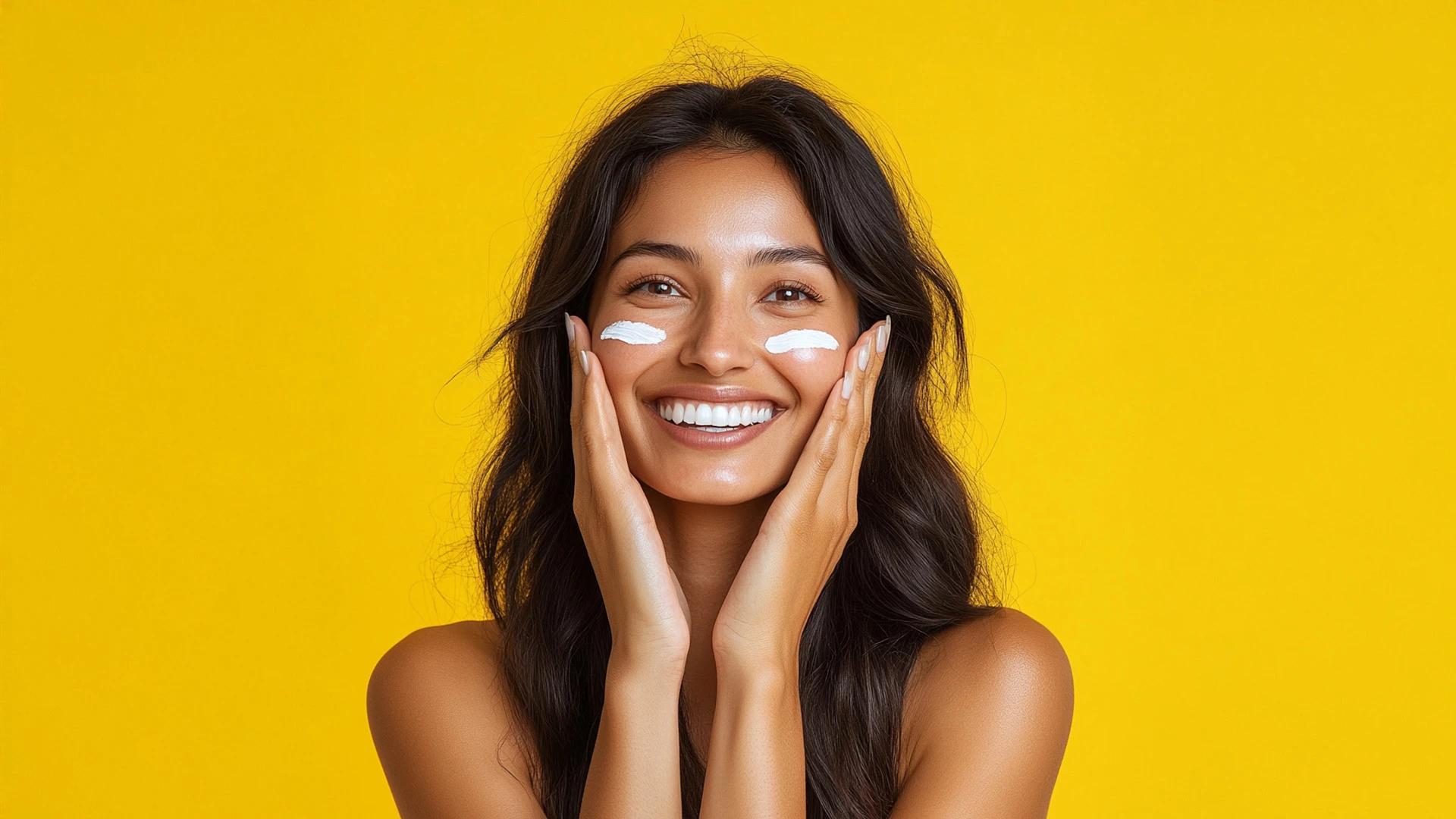
You've been diligent about applying SPF every morning, but suddenly your skin is breaking out more than usual. Sound familiar? If you're wondering does sunscreen cause pimples, you're not alone. Many people experience sunscreen breakouts, especially during summer months when we're layering on extra protection. The good news? This frustrating cycle is completely preventable once you understand what's happening beneath the surface. Let's dive into why some sunscreens trigger acne and how to find sun protection that works with your skin, not against it.
Real talk: sunscreen can cause pimples, but it's not the sun protection itself that's the problem. It's often the formula, application method, or removal routine that leads to clogged pores and breakouts. Studies show that up to 30% of people experience some form of sunscreen-related skin problems, particularly those with already sensitive or acne-prone skin. The irony is that many people abandon SPF altogether when they notice breakouts, which actually makes skin concerns worse in the long run. Sun damage can worsen hyperpigmentation from existing acne marks and create new skin texture issues. The key is finding the right formula and application routine that protects without triggering new breakouts.
Comedogenic ingredients are the biggest offenders when it comes to pimples from sunscreen. These are substances that have a tendency to block pores, creating the perfect environment for bacteria to multiply. Heavy oils like coconut oil, cocoa butter, and certain mineral oils are common culprits found in many sunscreen formulations. Occlusive formulas create another layer of problems. These thick, barrier-forming sunscreens can trap sweat, dead skin cells, and bacteria against your skin throughout the day. This is particularly problematic during workouts or in humid weather when your skin naturally produces more oil and perspiration. Inadequate removal is perhaps the most overlooked cause of sunscreen acne. Many people treat sunscreen like a regular moisturiser and assume a simple face wash will remove it completely. However, water-resistant and long-wearing formulas require more thorough cleansing to prevent pore-blocking residue.
When you're scanning ingredient lists, certain components are more likely to trigger breakouts than others. Heavy oils like coconut oil, cocoa butter, and mineral oil can be particularly problematic for acne-prone skin. While these ingredients provide excellent moisturising benefits, they can also create a film that traps bacteria and dead skin cells. Thick silicones and waxes are another category to watch. Ingredients like dimethicone and cetyl alcohol can create an occlusive barrier that some skin types struggle to tolerate. These ingredients aren't inherently bad, but they can be problematic if your skin is already congested or if you're not removing them properly each evening. Chemical UV filters can sometimes irritate sensitive skin, leading to inflammation that manifests as breakouts. Oxybenzone and octinoxate are two chemical filters that some people find irritating. Additionally, fragrances and artificial preservatives can trigger sensitivity reactions that look similar to acne but are actually contact dermatitis.
Look for terms like "non-comedogenic" and "oil-free" on packaging, but remember that these aren't regulated terms. A product can claim to be non-comedogenic even if it contains ingredients that might clog your specific skin type. The key is understanding your own skin's triggers and cross-referencing ingredient lists with your experience.
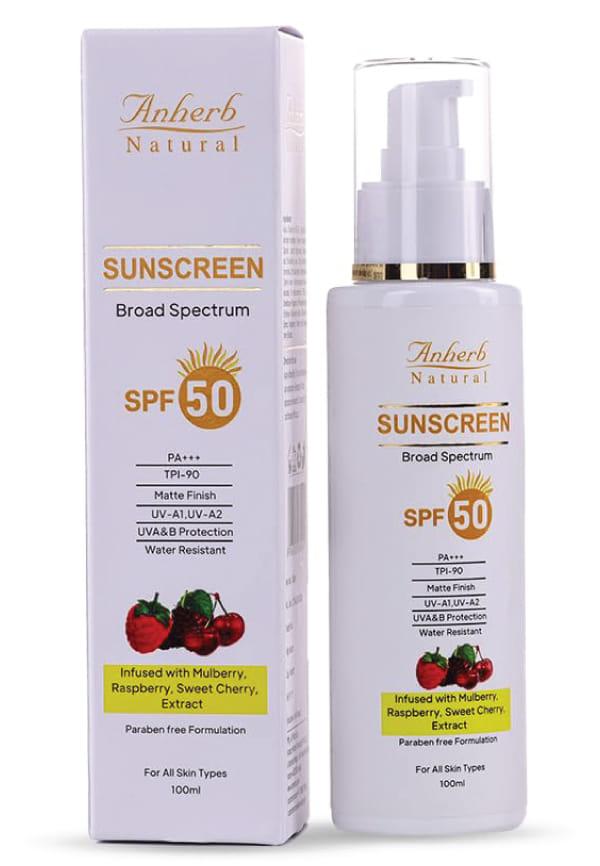
Sunscreen SPF 50
The timeline of sunscreen breakouts is typically quite telling. Unlike hormonal acne, which follows a monthly cycle, or stress-related breakouts that appear during particularly challenging periods, sunscreen acne usually develops within 24 to 72 hours of consistent use. Pay attention to the pattern of your breakouts. Sunscreen-related pimples often appear in areas where you apply the most product: the forehead, nose bridge, and chin. If you're noticing small, white bumps or blackheads specifically in these zones, your sunscreen might be the culprit. The texture of these breakouts also differs from other types of acne. Sunscreen-induced congestion often presents as small, flesh-coloured bumps or tiny whiteheads rather than the deeper, more inflamed cysts associated with hormonal acne. These bumps might not be particularly red or painful, but they create a bumpy texture across the skin.
Before blaming your sunscreen entirely, consider other changes in your routine. Have you started a new skincare product, changed your diet, or experienced increased stress? Sometimes what appears to be sunscreen acne is actually a combination of factors working together to trigger breakouts.
Mineral sunscreens containing zinc oxide or titanium dioxide are generally gentler for acne-prone skin than chemical alternatives. These ingredients sit on top of the skin rather than absorbing into it, making them less likely to cause irritation or clog pores. Zinc oxide also has natural anti-inflammatory properties that can actually help calm existing breakouts. When shopping for non-comedogenic sunscreen, texture matters enormously. Gel-based formulas are typically lighter and less likely to clog pores than cream-based alternatives. Water-based sunscreens absorb quickly and don't leave the heavy residue that can trap bacteria and dead skin cells. Look for formulas that include beneficial ingredients like niacinamide, which helps regulate oil production and reduce inflammation. Silica is another helpful ingredient that absorbs excess oil throughout the day, preventing that greasy feeling that can contribute to breakouts.
Beyond "non-comedogenic," look for "oil-free," "lightweight," and "fast-absorbing" on packaging. These terms indicate formulas designed to work well with oily or acne-prone skin types. "Broad-spectrum" ensures you're getting protection from both UVA and UVB rays, which is crucial for preventing post-acne hyperpigmentation.
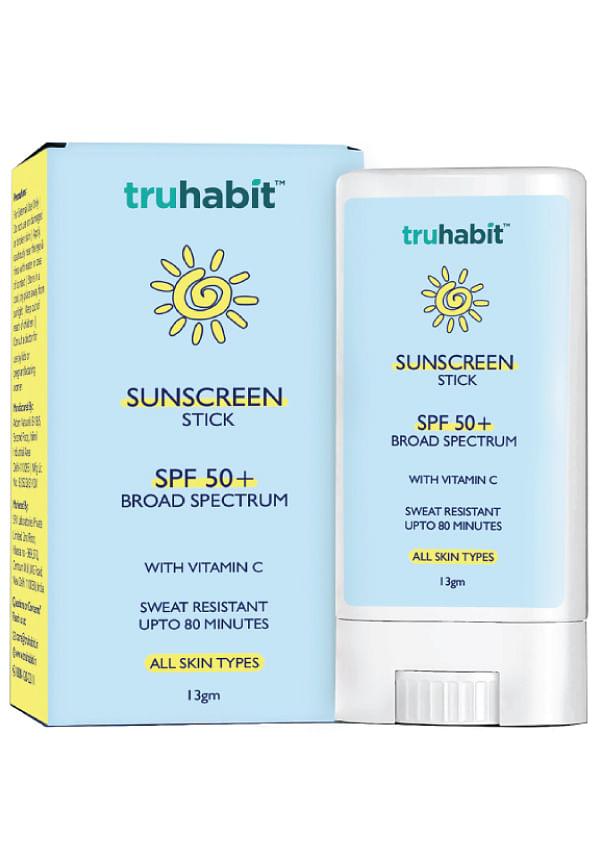
Sunscreen Stick SPF 50 for Face
Master the double cleanse method to ensure complete sunscreen removal each evening. Start with a micellar water or cleansing oil to break down the sunscreen, followed by your regular foaming or gel cleanser. This two-step process ensures that no pore-clogging residue remains on your skin overnight. Apply sunscreen correctly by using the right amount and timing. Most people use far less sunscreen than recommended, which can lead to uneven application and the temptation to rub the product in too vigorously. Use about a quarter teaspoon for your face and neck, and pat rather than rub the product into your skin. Layer your skincare properly to prevent product interactions that might trigger breakouts. Apply your regular moisturiser first, allow it to absorb completely, then follow with sunscreen. This creates a barrier that can help prevent sunscreen ingredients from directly interacting with your skin. Choose the right SPF level for your daily needs. While SPF 50+ might seem like the safest choice, these higher protection levels often require heavier formulations that can be more problematic for acne-prone skin. SPF 30 provides excellent daily protection and typically comes in lighter formulas. Rotate products seasonally to match your skin's changing needs. Summer might call for gel-based, mattifying formulas, while winter could allow for slightly richer textures that provide additional moisture without causing breakouts.
Apply sunscreen at least 15 minutes before sun exposure to allow proper absorption. Rushing this process and heading straight into sunlight can cause the product to mix with sweat, increasing the likelihood of clogged pores and irritation.
Stop using the problematic sunscreen immediately and switch to a gentler, non-comedogenic formula. Focus on thorough but gentle cleansing with a mild cleanser twice daily. Avoid over-cleansing or using harsh scrubs, which can worsen irritation. Most sunscreen-related breakouts clear within 1-2 weeks of discontinuing the problematic product and maintaining a consistent, gentle skincare routine.
Facial skin is more sensitive and has a higher concentration of oil glands than body skin, making it more susceptible to sunscreen breakouts. The face also receives more frequent and heavier sunscreen application, increasing the likelihood of pore-clogging. Additionally, facial skin is exposed to more environmental pollutants that can interact with sunscreen ingredients to create congestion.
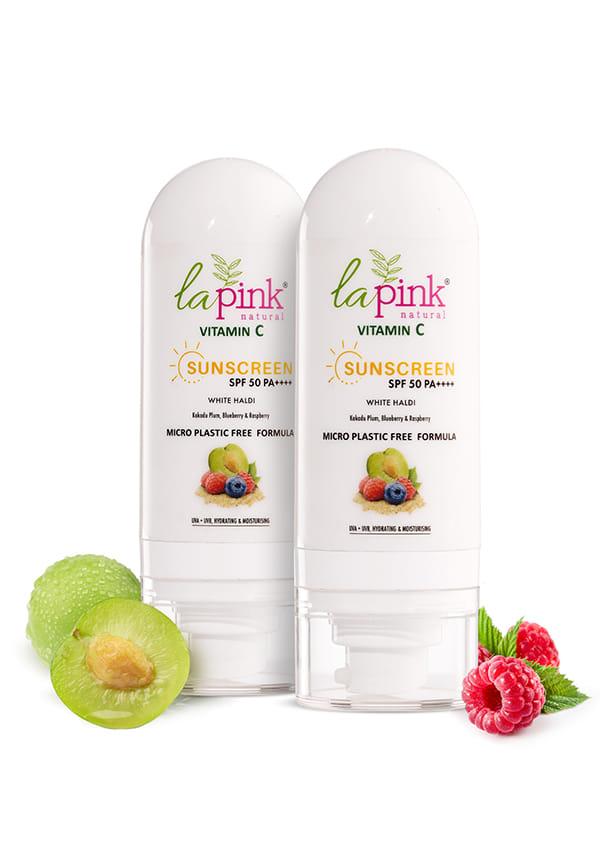
Vitamin C Sunscreen SPF 50
Absolutely not. Sun protection is crucial for preventing post-acne hyperpigmentation and protecting healing skin. Instead of abandoning SPF, focus on finding the right formula for your skin type. Mineral sunscreens with zinc oxide can actually help calm inflammation while providing protection. The key is choosing products specifically designed for acne-prone skin.
Yes, but timing and product selection matter. Apply acne treatments like retinoids or salicylic acid in the evening, as many can increase sun sensitivity. In the morning, use a gentle cleanser, followed by a lightweight moisturiser if needed, then your sunscreen. Some sunscreens now include acne-fighting ingredients like niacinamide, which can be beneficial for acne-prone skin.
Most sunscreen-induced breakouts begin to improve within 3-5 days of switching products and typically clear completely within 2-3 weeks. However, this timeline can vary depending on your skin type, the severity of the reaction, and how quickly you identify and eliminate the problematic product. Consistent gentle care and patience are key to recovery.
If you've tried multiple non-comedogenic sunscreens and continue experiencing breakouts, it might be time for professional guidance. A dermatologist can help identify specific ingredient sensitivities through patch testing and recommend prescription alternatives if needed. Persistent breakouts that don't improve within a month of changing products warrant professional attention. Sometimes what appears to be sunscreen acne is actually a contact allergy or another underlying skin condition that requires targeted treatment. Severe reactions including widespread redness, burning, or swelling indicate a possible allergic reaction rather than simple acne. These symptoms require immediate professional evaluation to prevent further skin damage and identify the specific trigger.
Dermatologists often have access to medical-grade sunscreens formulated specifically for problematic skin types. These products undergo more rigorous testing and may contain beneficial ingredients not found in over-the-counter options.
Finding the right sunscreen for acne-prone skin might require some trial and error, but the effort is absolutely worth it. Remember that sun protection is one of the most important steps in any skincare routine, particularly for preventing post-acne scarring and hyperpigmentation. The key to success lies in understanding your skin's specific needs and choosing products accordingly. Mineral sunscreens with zinc oxide, gel-based formulas, and products containing beneficial ingredients like niacinamide are excellent starting points for most acne-prone skin types. With over 28 million users discovering their perfect skincare matches, Smytten's curated selection includes numerous non-comedogenic sunscreens from trusted brands. The platform's trial system allows you to test different formulas before committing to full-size products, making it easier to find your ideal sun protection without the risk of purchasing products that might not work for your skin. Whether you're dealing with sensitive skin, specific ingredient concerns, or simply want to explore new formulations, having the option to try before you buy can make all the difference in building an effective, acne-friendly sun protection routine.
